When did the people’s game leave them? When the cost of being a fan went out of control. This is the World Cup year, and naturally, that has led to brand-new national jerseys. But these new jerseys come with a hefty price and their cheaper alternatives come with a health risk.
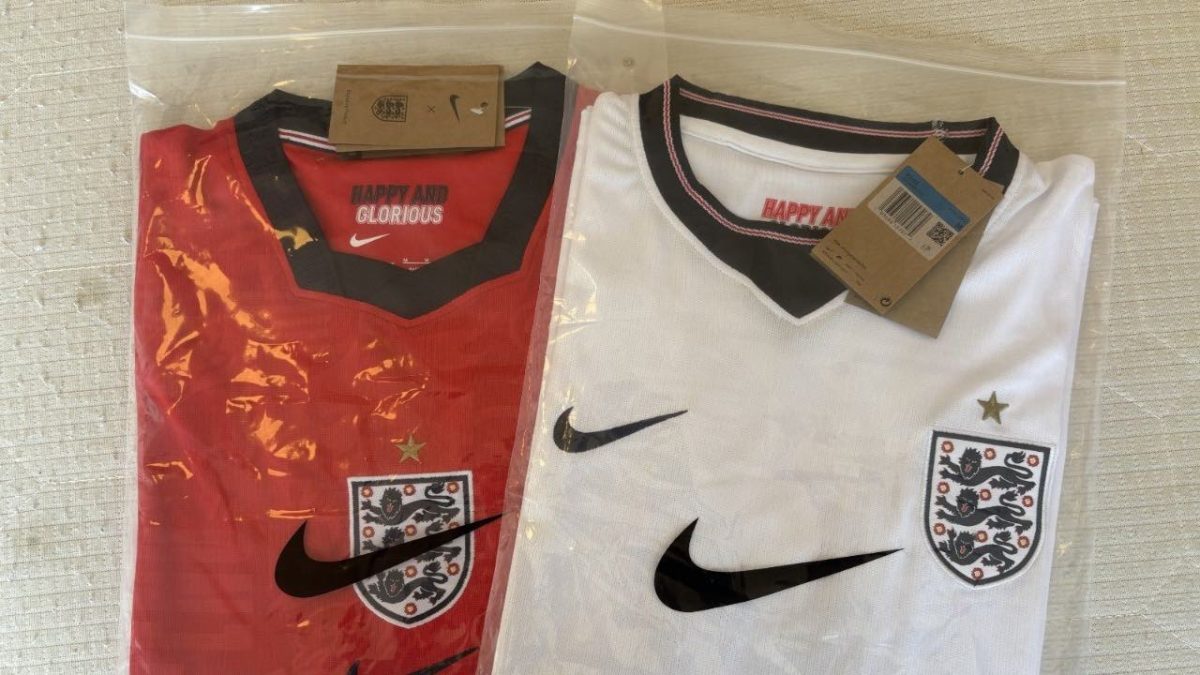
Earlier in March, Nike released England’s official 2026 World Cup jerseys. While the jerseys themselves received a mixed reception, it was their price that caught everyone’s attention.
Nike’s authentic England jersey came with a heavy price tag of £134.99, while the kids’ version was also a lofty £70. That insanely high price strategy immediately turned off fans already struggling with a tight budget during stagnant economic growth.
In simple words, if a family of 4 (parents and children) wants to buy a jersey each, it will cost them over £400. Certainly, that led to a loud outcry; however, the prices remain the same as of the writing of this report.
Selling Kids' authentic kits for 140 euros… https://t.co/QRdNyHWbI5 pic.twitter.com/g8PTeR1hwb
— Footy Headlines (@Footy_Headlines) March 27, 2026
That’s one of the reasons why sites like DHgate are so popular with fans. The Chinese E-commerce site has been trending since the release of these jerseys because of extremely low prices.
A replica made in China can cost as little as £10. That’s less than 10% of what the authentic jersey costs and has naturally become the go-to place for many budget-conscious fans. In fact, many replicas are being sold at less than £10 on DHgate.
Still, fans have always had an option to buy cheaper replicas, but now even that’s come under scrutiny.
There’s a huge market catering to fans who want a cheaper alternative to the authentic jersey. But a recent report has brought even those jerseys into question.
According to the Daily Star, counterfeit Football jerseys come with multiple potential health issues. The report states that these cheap counterfeits usually have lower-quality fabric used in them.
It’s fragile and loses its color after a few washes. That’s not the problematic part; the real problem is the chemicals that are used while making these kits.
“One in three counterfeit sports items contains dangerous chemicals,” the report said. Those chemicals include arsenic, cadmium, lead, and phthalates.
It’s important to note that such substances can cause an allergic reaction in children and lead to severe skin infections. Even then, some questions have been raised about this report.
Ahh the scare tactics arrive:
— Chris Chats Shirt (@ChatShirt) March 27, 2026
IF YOU AREN’T WILLING TO PART WITH OVER £100 YOUR FAKE SHIRT WILL POISON YOU!!!
The only evidence is that “tests” in the US show 1 in 3 shirts have “dangerous chemicals” in them.
A lot of the article is justifying brands high prices btw
1/3 pic.twitter.com/8A1J7MpKmu
Some are claiming that while counterfeit jerseys aren’t good, the topic of conversation mustn’t be their quality. It should be how the price of authentic jerseys is pushing people towards these unhealthy alternatives.
A typical replica doesn’t even cost half as much as the authentic jerseys. According to Dr. Peter Rohlmann, the official replica shirt costs about £8.50 to manufacture. Then around £9 to £10 for marketing, licensing, and distribution.
Banging quality England shirts on DH gates for under a tenner if anyone wants, fast shipping too https://t.co/3qGRlHkYVu pic.twitter.com/VbSXrJLGGT
— Billie (@Billie_T) March 23, 2026
The final price includes brand markup and VAT. So one can see why questions are being raised over the excessively high pricing of sports merchandise.
So, the debate rages on regarding the slow separation of Football from its fans. Expensive jerseys and extravagant stadium costs are making it difficult to follow the sport. One wonders what the saturation point is, and if there is even one?