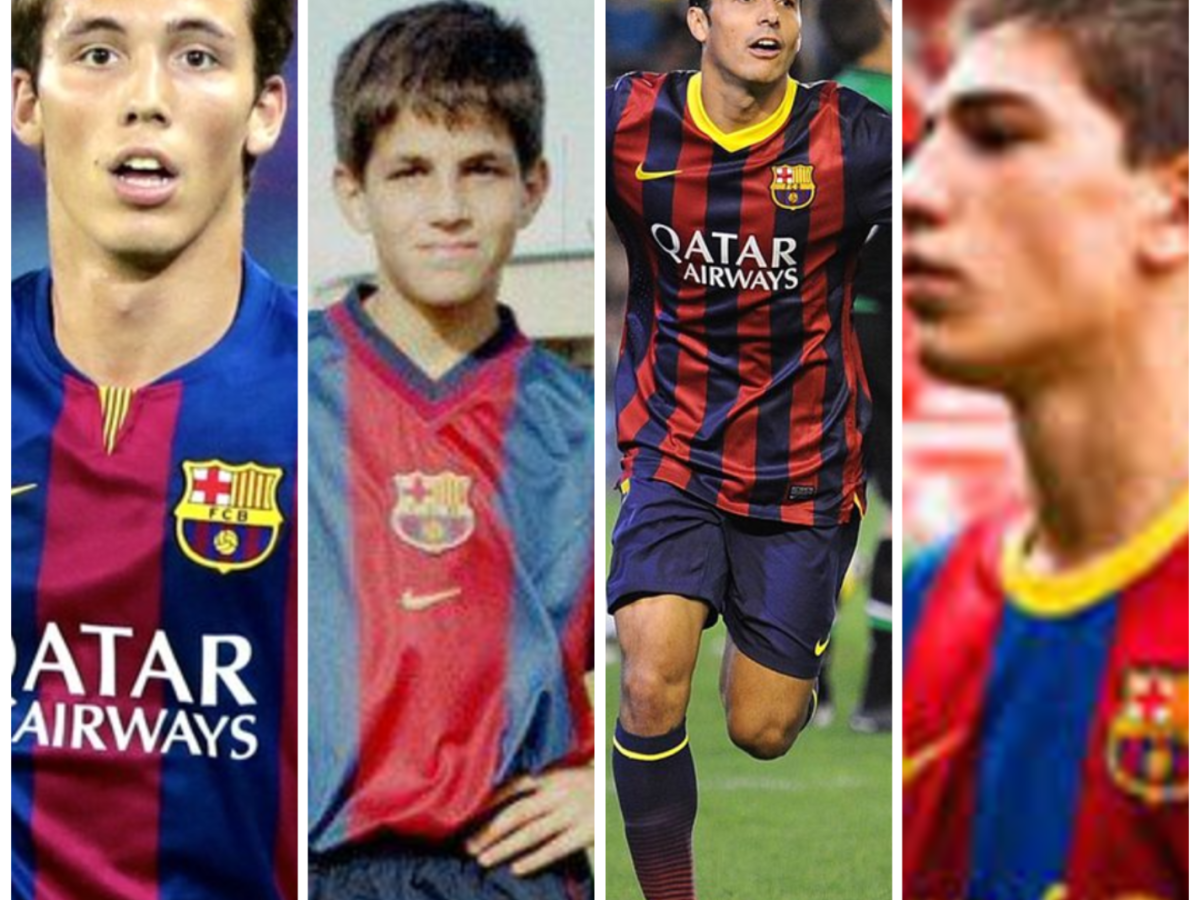
Barcelona’s La Masia still cranks out top talent—Lamine Yamal, Pau Cubarsí, Pedri, Gavi, Alejandro Balde, and Fermin López—whose values have tripled since joining the first team. They embody Barça’s DNA: technical brilliance, football intelligence, and creative flair. In an era when elite clubs hoard superstars with astronomical fees, these homegrown players remain the soul of the club.
Yet for every prodigy who emerges under the Camp Nou lights, there are countless others whose stories unfold elsewhere. Not every La Masia graduate gets the chance to become a household name in Catalonia. Some are blocked by generational icons. Others depart young in search of minutes, identity, or simply the freedom to grow outside the suffocating spotlight of FC Barcelona.
But their impact proves just how powerful the academy’s education really is. These players have carried La Masia’s philosophy—positional play, intelligence between the lines, composure under pressure—to every corner of Europe and beyond. Whether lifting trophies in the Premier League, winning European finals in Germany, or reinventing themselves as leaders and icons in Turkey, Portugal, or France, they showcase the same unmistakable pedigree: Barça’s principles live in their boots.
Here are 10 standout examples proving that La Masia is much more than a factory for Barcelona’s next superstar—it’s a global finishing school that has quietly shaped modern football itself.
Álex Grimaldo – The Left-Back Who Rose From Barça’s Shadows to Bundesliga Mainstay
La Masia Origins
Born in Valencia in 1995, Álex Grimaldo arrived at La Masia in 2011 at the age of 16. His debut at just 15 years and 349 days for Barcelona B in the Segunda División B made him the youngest player ever in Spain’s third tier.
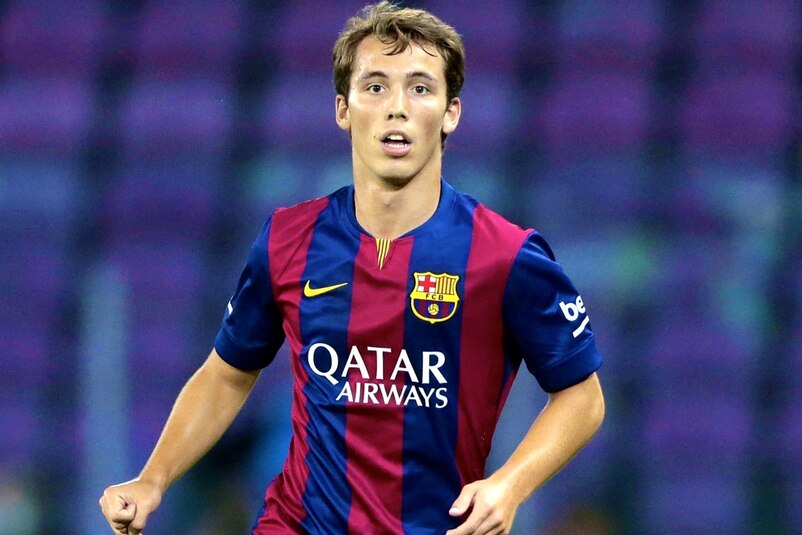
Known for his composure, pinpoint crosses, and reading of the game, he became a standout full-back—despite his youth—making 92 appearances and scoring six goals across three seasons.
The Move to Benfica (£2.1M, June 2016)
With Jordi Alba long cemented as Barcelona’s first-choice left-back, Grimaldo saw no path to the senior team. Eager for regular first-team football, he sealed a €2.1 million move to Benfica in June 2016.
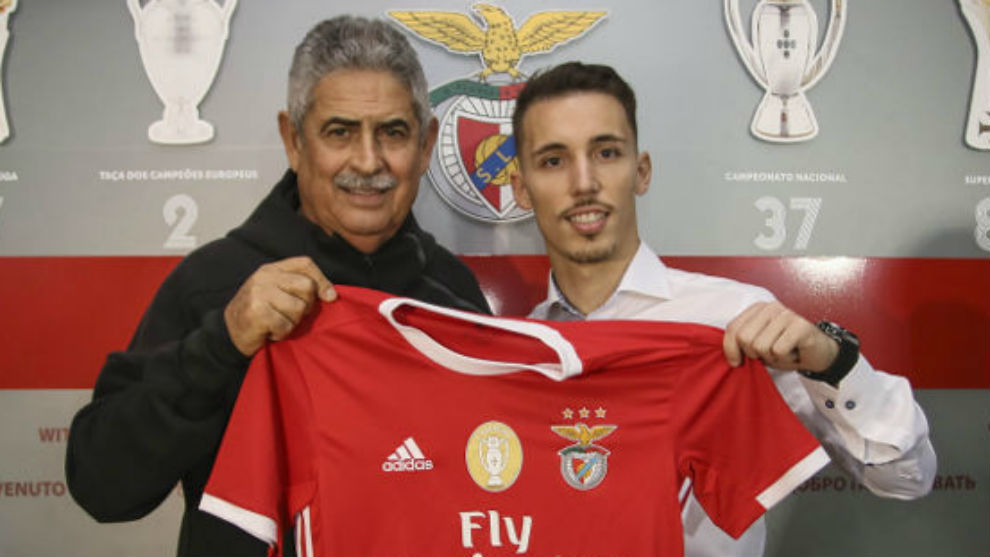
The transfer was strategic—transitioning from Barca’s prolific academy system into a suited environment where his attacking qualities and experience would be nurtured and showcased.
Benfica Breakthrough (2016–2023)
At Benfica, Grimaldo didn’t just fit in—he thrived. Over seven seasons, he clocked 303 league appearances, notching 27 goals and assisting 59 times. He quickly became integral to their domestic dominance, securing four Primeira Liga titles, two Taça de Portugal crowns, and a berth in the 2020 Europa League final.
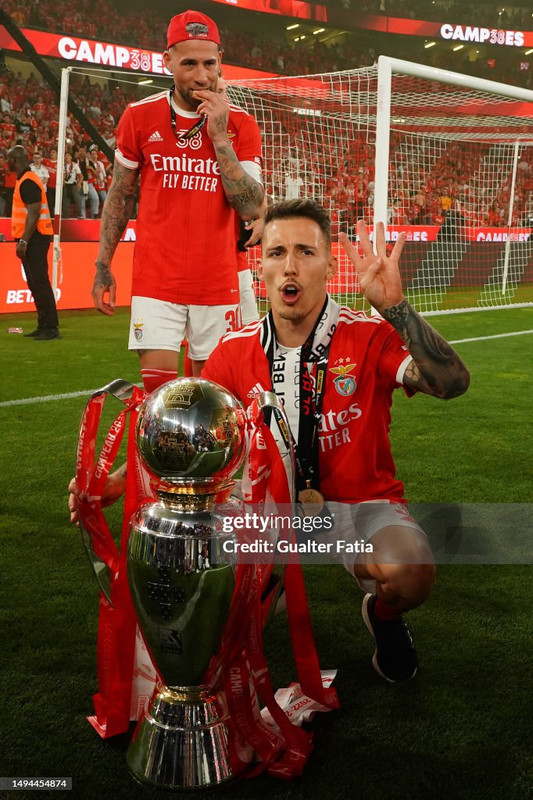
His crossing accuracy, free-kick prowess, and leadership from the back consistently drew praise, evolving him into one of Europe’s most productive full-backs.
Bundesliga Brilliance at Bayer Leverkusen (2023–Present)
In June 2023, Leverkusen signed Grimaldo on a free transfer. His debut season saw him deliver his best-ever statistics: 10 goals and 13 assists across 33 Bundesliga fixtures—a figure unmatched by any other defender in Europe’s top five leagues
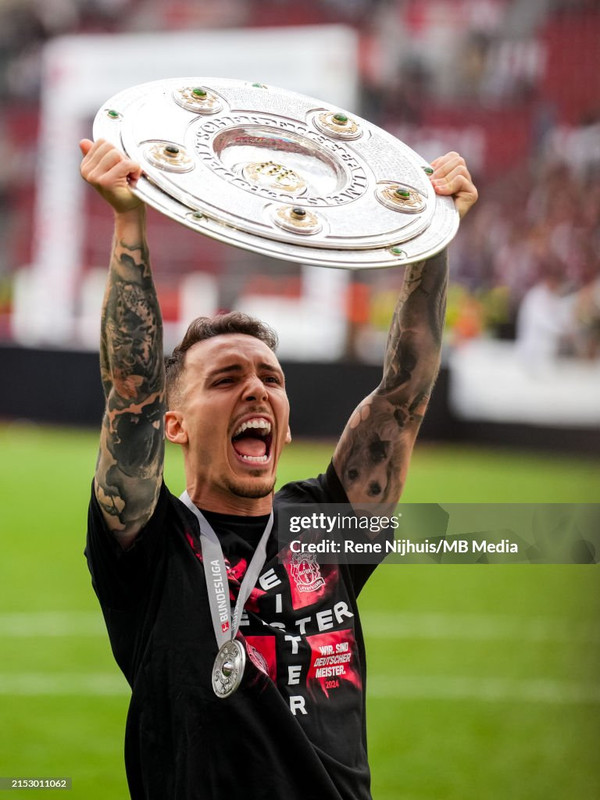
He played a decisive role in securing Leverkusen’s historic double (Bundesliga & DFB-Pokal), including match-winning moments such as a pinpoint delivery against Bayern and a clutch assist in the cup final.
Peak Realized
Grimaldo’s peak undeniably occurred in Germany. From the young prospect edged out of La Masia to a decisive figure in one of Europe’s most dynamic clubs, he has displayed both technical flair and tactical acumen under pressure. His journey—overcoming early stagnation, embracing opportunities elsewhere, and evolving into a leader—embodies the very essence of La Masia’s transformative power.
Thiago Alcântara — The Midfield Virtuoso Who Turned Pressure Into Precision
La Masia to First-Team Transition
Born in Italy in 1991, Thiago shifted to Catalonia as a child and joined La Masia’s youth ranks at age 14. Quickly, his technical finesse, spatial intelligence, and metronomic passing set him apart under Guardiola’s watchful eye.
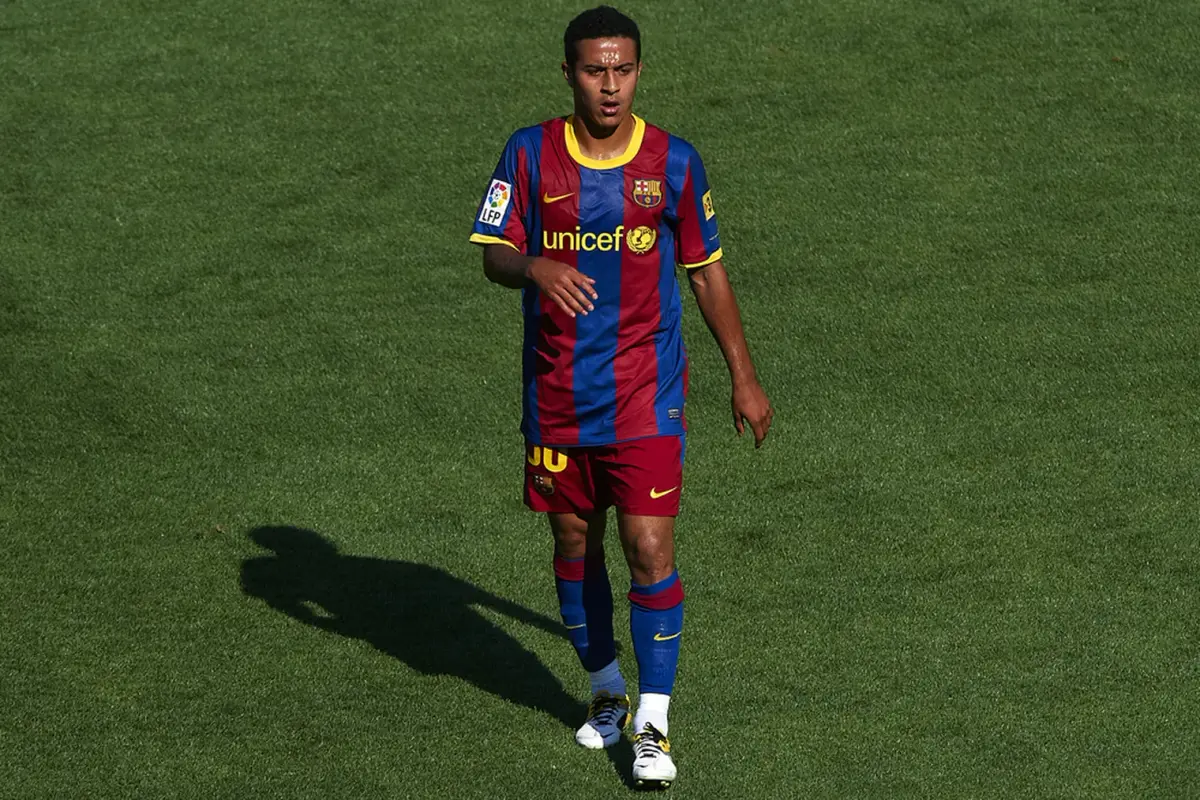
He debuted for Barcelona’s first team in May 2009, laying the groundwork for a career built on finesse, control, and an intrinsic curb of match tempo.
€25M Move to Bayern Munich (July 2013)
By 2013, with game time constrained by a star-studded Barça midfield in the form of Xavi, Busquets and Iniesta, Thiago accepted Bayern Munich’s long-term project.
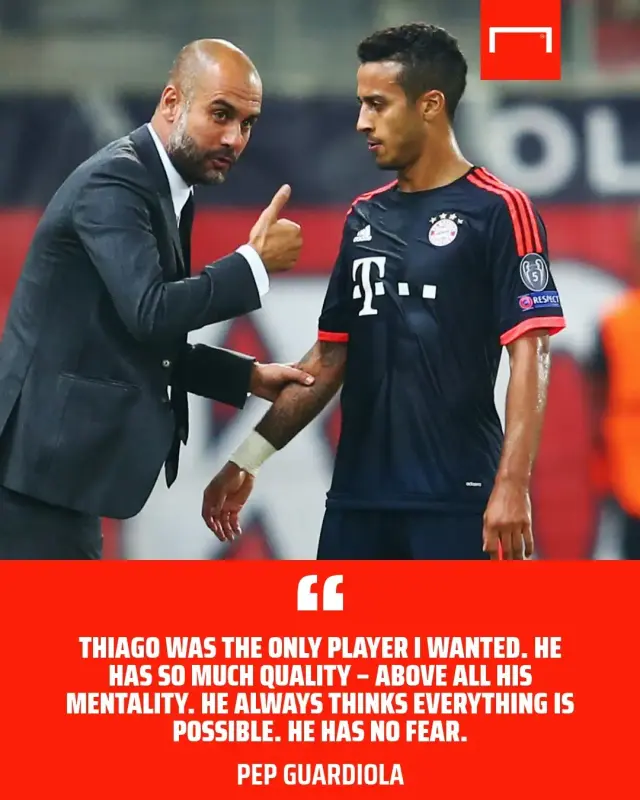
Pep Guardiola, recalling his deep admiration—famously calling it “Thiago or nothing”—brought him to Bavaria for a €25 million fee. Bayern offered him not just playing time but key responsibility in midfield orchestration.
Forging a Legacy at Bayern (2013–2020)
During seven seasons at Bayern, Thiago appeared in 235 matches, contributing 31 goals and 37 assists.
His impact extended well beyond stats: he influenced 20,133 minutes of play, maintained a 93% pass completion rate, and drove ball progression using smart transitional play.
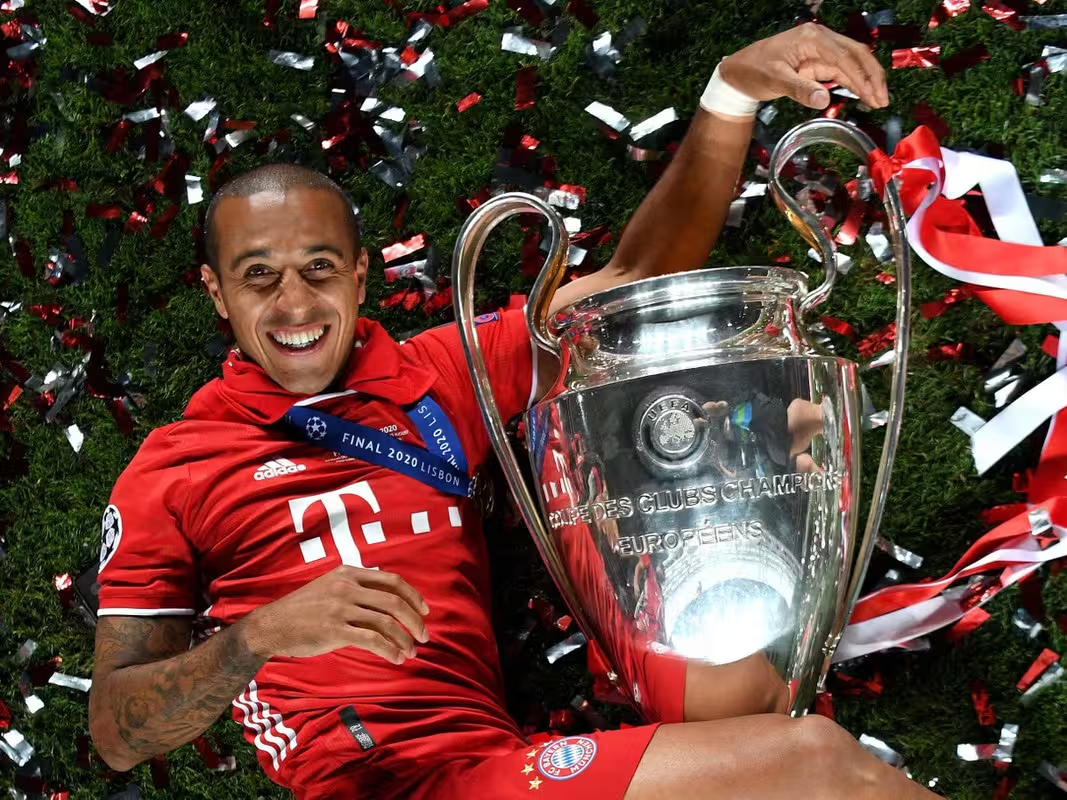
He won 7 Bundesliga titles, 4 DFB Pokals, and was instrumental in Bayern’s crowning achievement—the 2020 Champions League title. In Lisbon’s final, the midfield triad of Kimmich, Goretzka, and Thiago dismantled PSG’s structure, defined by composure and control.
Final Act at Liverpool (£20M, Sept 2020 – Summer 2024)
Liverpool added the Spanish maestro to their midfield for merely £20 million as his contract entered into its final years with Bayern, in September 2020, hoping his intelligence would mesh with their pressing style instilled by German Jurgen Klopp.
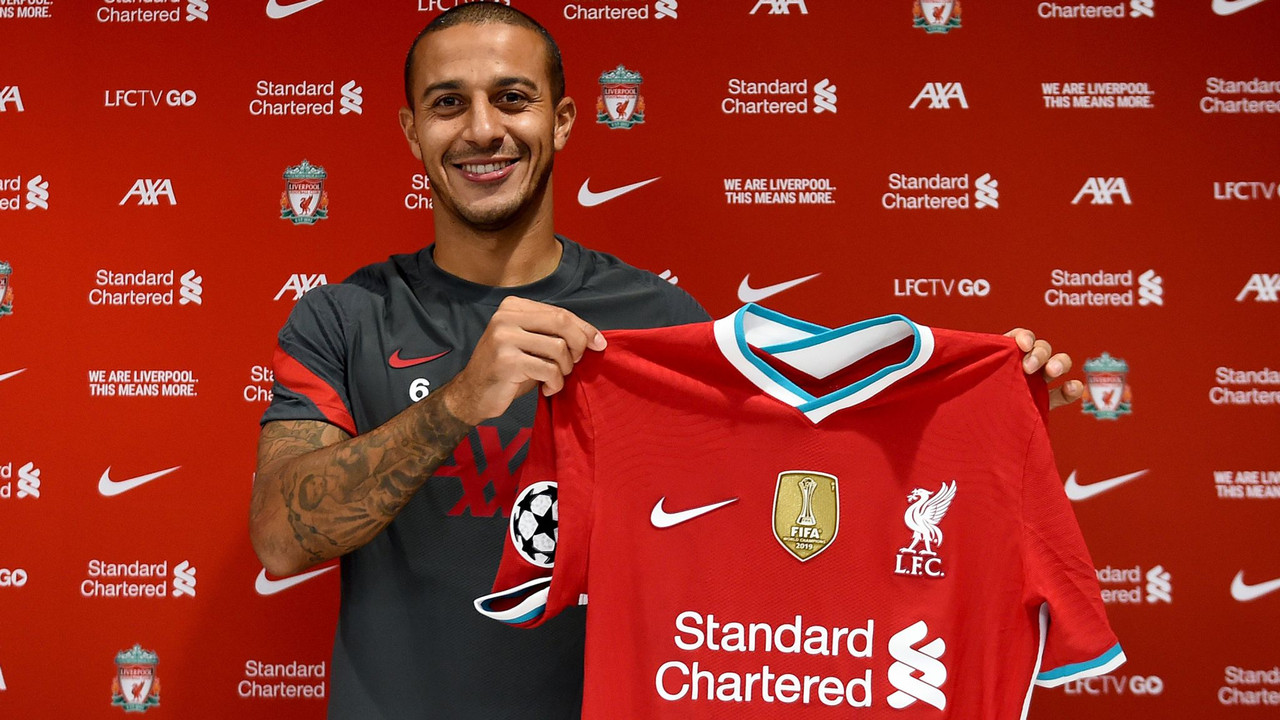
In 98 games, he delivered 3 goals and 6 assists across all competitions, including ‘that’ Champions League goal against Porto.
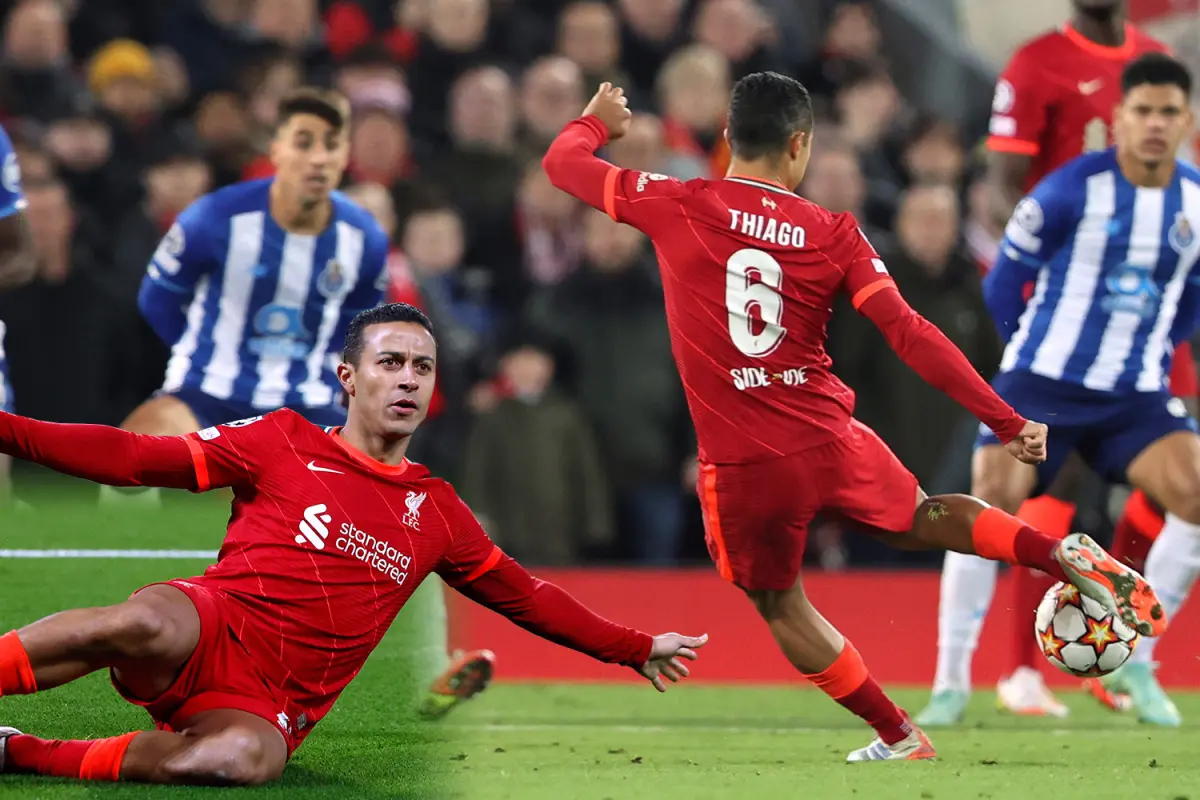
Integral to their 2022 FA Cup and League Cup triumphs, Thiago also charted 8 clean sheets in 10 Premier League starts—proof of his strategic value. Injuries curtailed his final seasons (only one league appearance in 2023–24), but his legacy wasn’t lost: teammates praised his discipline and passing grace, and Klopp described him as “truly special”
Peak Realized: Master of Tempo
Thiago’s best football arrived not in Barcelona’s confines, but in the universities of elite midfield stewardship—Munich and Liverpool. At Bayern, he became the heartbeat: dictating rhythm, navigating transitions, shaping attacks. At Anfield, he brought balance and precision—his midfield mastery crucial in critical fixtures and cup finals. His retirement in July 2024 punctuated a career defined by control, calculative influence, and unmatched technical artistry.
Xavi Simons — The Dutch Dynamo Who Mastered Reinvention at Leipzig
La Masia Beginnings
Born in Amsterdam in 2003, Xavi Simons joined La Masia in 2010 at just seven years old.
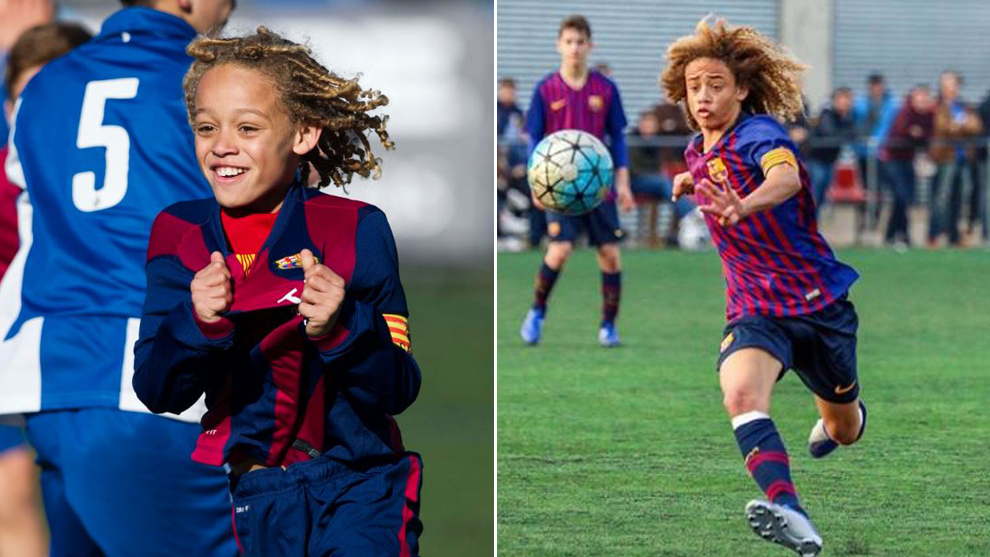
Coaches were immediately struck by his precision passing, tactical intelligence, and leadership, even at tournaments for children far older than him. His potential was undeniable, but Barcelona’s packed midfield and long-term project meant his path to the first team would be winding—so, a shifting horizon began early.
The PSG & PSV Pathway (Transfer & Loan)
In 2019, Simons opted to leave Barca to join Paris Saint-Germain—a big move that promised bigger opportunities. But true development came on loan to PSV in the 2022–23 season.
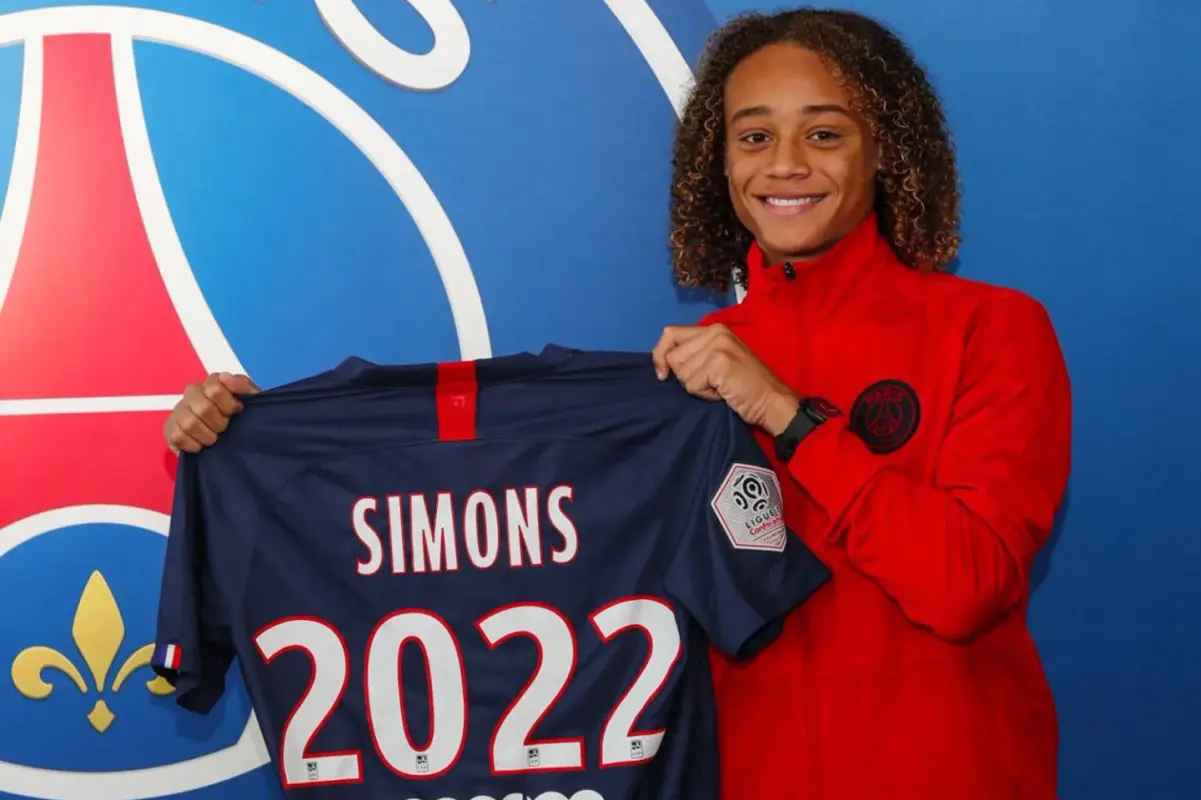
This period proved transformative: Simons scored 19 goals with 8 assists in 34 Eredivisie matches, won the KNVB Cup, cemented his reputation as a box-to-box creator, and triggered widespread praise.
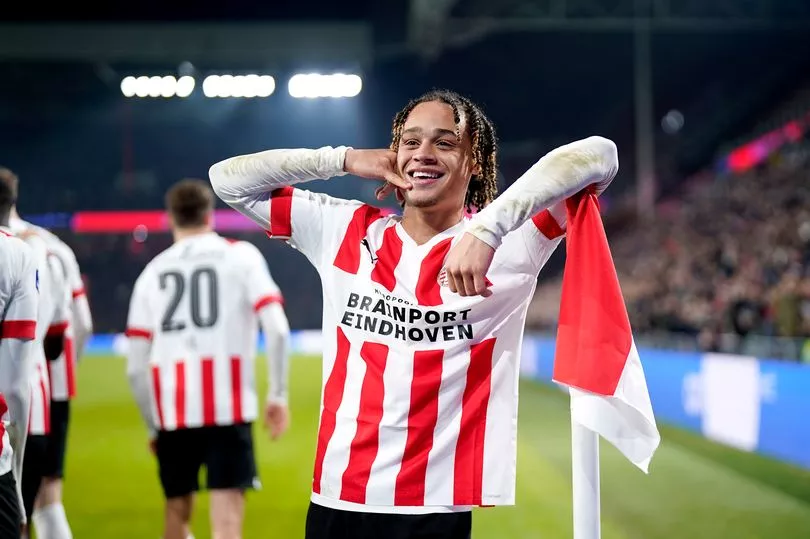
Stellar Debut at Leipzig (Loan & Permanent Transfer)
RB Leipzig acquired Simons permanently in January 2024 for around €42 million, soon fighting off Bayern Munich’s interest.
In his debut 2023–24 Bundesliga campaign: 10 goals and 11 assists in 43 games across all competitions, including heroics in league matches and his emergence as Leipzig’s creative linchpin. Highlights included two Goal‑of‑the‑Month awards and multiple game-defining performances, such as a brace in a thrilling 4–2 win against Werder Bremen, earning him a 9.0 player rating.
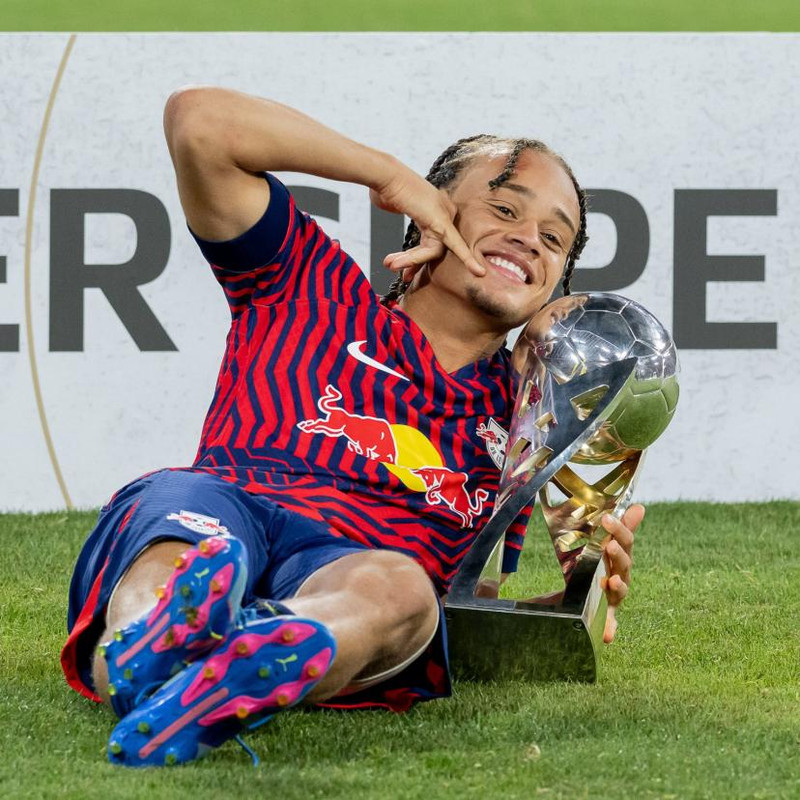
In 2024–25, Simons again played a central role, tallying 11 goals and 8 assists in 33 Bundesliga matches, and added a goal and an assist in the DFB-Pokal as Leipzig secured Champions League qualification once more.
Navigating Pressures & Future Prospects
Despite his achievements, Simons has faced scrutiny—some German media cited his “ego” and volatile behavior, particularly amid Leipzig’s inconsistent 2024–25 form, where they finished seventh and missed European qualification.
However, European giants are circling: reports suggest Bayern, Manchester United, Manchester City, and Liverpool are all interested, with Leipzig valuing him between €60–70 million.
Peak in Progress
Simons’s growing influence—19 goal contributions in 2023–24 and 19 again in 2024–25—highlights a player hitting prime early in his career. At Leipzig, he’s morphed from apprentice to superstar. With a blend of technical training from La Masia and match-hardened tenacity in the Netherlands and Germany, Simons is shaping into a generational talent. His story doesn’t end at Leipzig; it’s setting the stage for what’s next—potentially, a megabuck transfer to a European powerhouse.
Cesc Fàbregas — The Architect Who Bloomed Beyond Barcelona
Journey Through La Masia: The Prodigy Who Left Early
Born in Arenys de Mar, Catalonia, Cesc Fàbregas joined La Masia at the age of 10 in 1997.
Even as a young midfielder, he showcased extraordinary vision and passing range. However, despite his prodigious talents, Fàbregas was behind the likes of Xavi and Andrés Iniesta in the pecking order. At 16, and yet to make a senior appearance, Fàbregas made a controversial move to Arsenal in September 2003, a transfer made possible due to Spain’s less restrictive youth contract laws at the time.
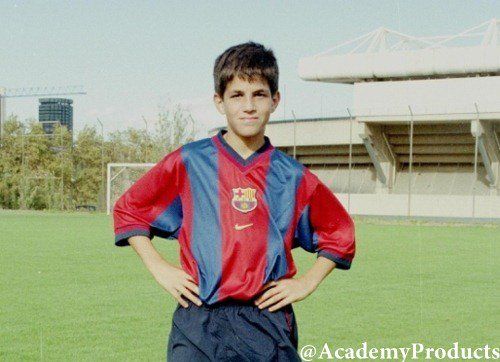
While his exit raised eyebrows, Fàbregas saw limited opportunity at a Barcelona stacked with midfield talent. Arsenal, under Arsène Wenger, promised first-team exposure, and this pull proved irresistible.
Transfer: Joined Arsenal in 2003 (Free, tribunal settlement of ~€3 million later confirmed).
Arsenal’s Midfield Maestro (2003–2011)
At Arsenal, Fàbregas exploded. He became the club’s youngest-ever first-team player at 16 years and 177 days and the youngest goalscorer in club history. He made 303 appearances, scored 57 goals, and provided 95 assists over eight seasons.
In 2008–09, he was made club captain at just 21, exemplifying his maturity and leadership. Fàbregas was central to Arsenal’s beautiful attacking football era—scripting passes, controlling tempo, and routinely ranking among Europe’s top assist providers. In the 2009–10 Premier League season, he posted 15 goals and 13 assists in 27 appearances—elite numbers for a midfielder.
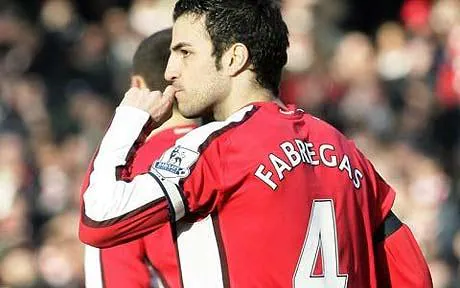
Though he didn’t win the Premier League, his stature skyrocketed in England, and he was considered one of the world’s best midfielders by 2010.
Return to Barcelona (2011–2014): The Homecoming
After years of pursuit, Barcelona re-signed Fàbregas in August 2011 for €34 million plus €5 million in add-ons. Under Pep Guardiola and later Tito Vilanova, Fàbregas made 151 appearances, scoring 42 goals and assisting 50 across competitions.
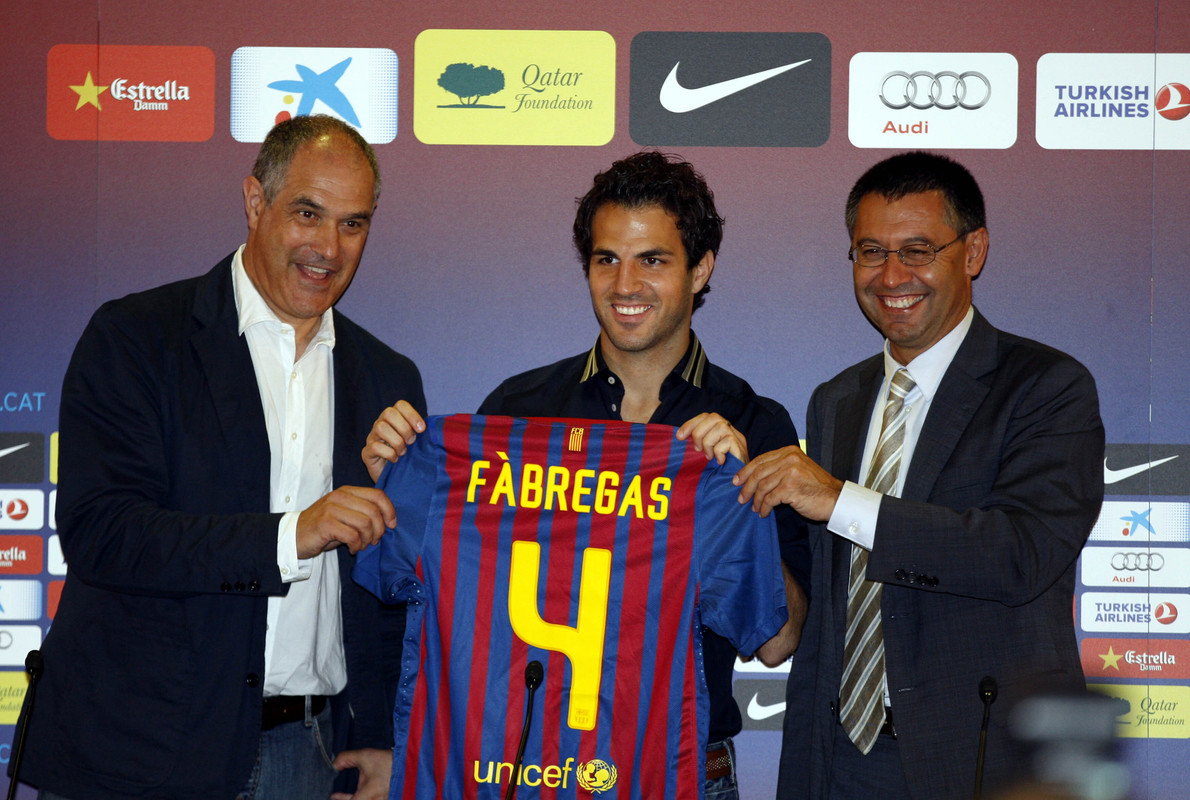
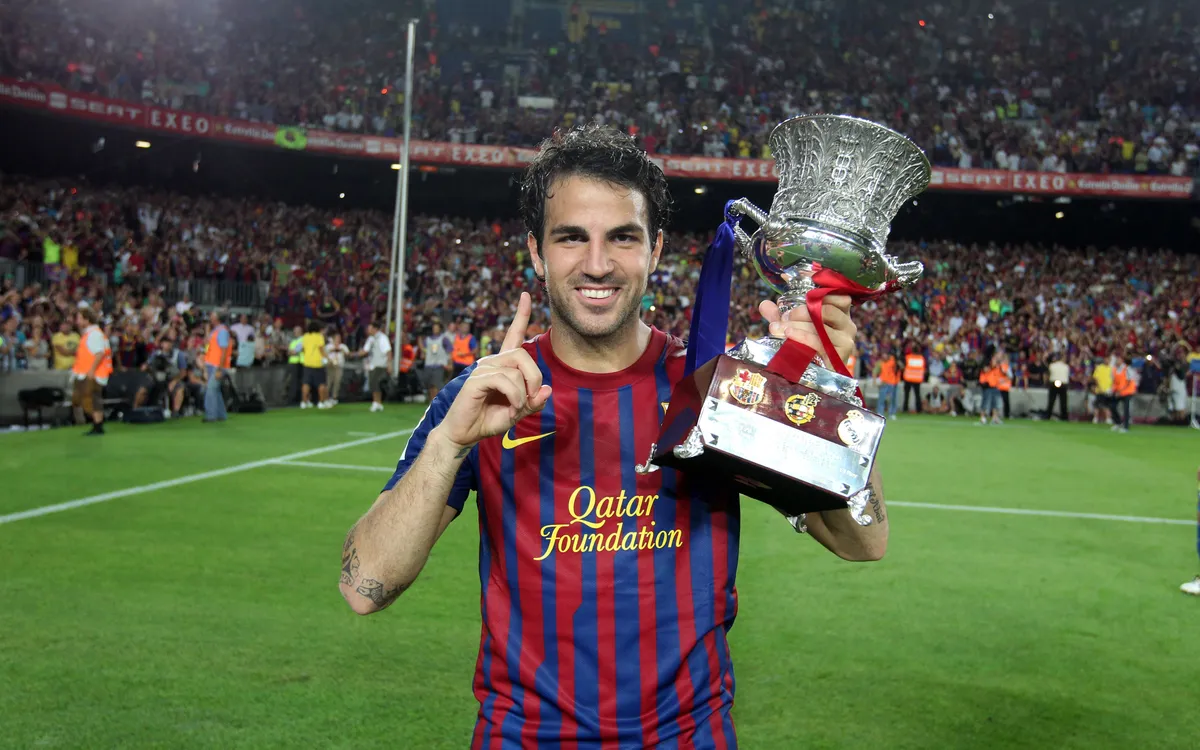
However, despite winning La Liga (2012–13), Copa del Rey, Spanish Super Cup, UEFA Super Cup, and Club World Cup, Fàbregas often played out of position—sometimes as a false 9 or even wide forward—limiting his central midfield influence. While statistically productive, he struggled to truly displace Xavi or Iniesta and often received mixed reviews from fans.
Chelsea Glory & True Prime (2014–2019)
Fàbregas transferred to Chelsea in July 2014 for €33 million. It was in England that he arguably hit his true professional peak.
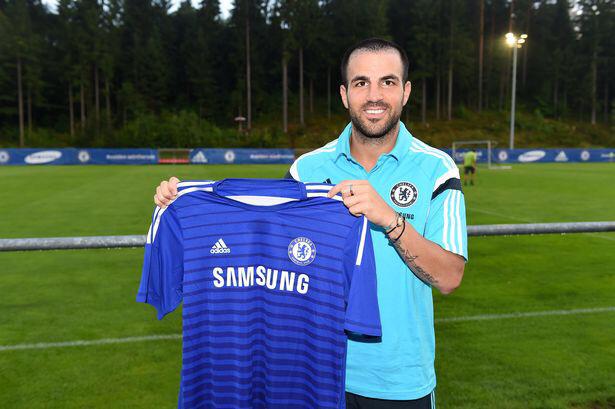
His immediate impact under José Mourinho saw him rack up 19 assists in the 2014–15 Premier League season, helping Chelsea secure the title. Fàbregas’ vision was at its finest—he led England in chances created and quickly became a fan favorite at Stamford Bridge.
Over five seasons at Chelsea, he made 198 appearances, scored 22 goals, and assisted 57. He won:
• 🏆 2x Premier League titles (2014–15, 2016–17)
• 🏆 1x FA Cup (2017–18)
• 🏆 1x League Cup (2014–15)
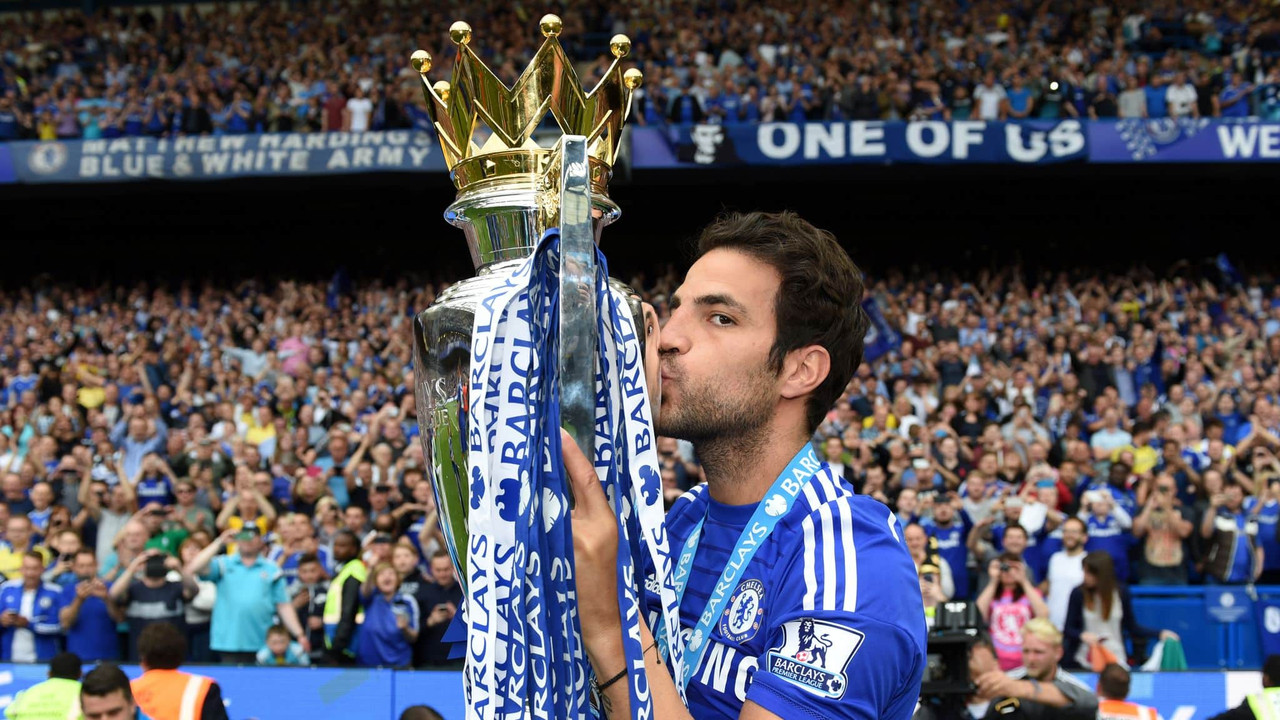
He proved indispensable in both Mourinho’s and Antonio Conte’s systems, often being the tempo-setter and unlocking low-block defenses with inch-perfect passes.
Late Career Chapters: Monaco & Como (2019–2023)
In January 2019, Fabregas joined AS Monaco on a free transfer. Despite age catching up, he managed to help a young Monaco side stabilize in Ligue 1. He made 68 appearances, scoring 4 goals and providing 9 assists, while mentoring talents like Aurélien Tchouaméni.
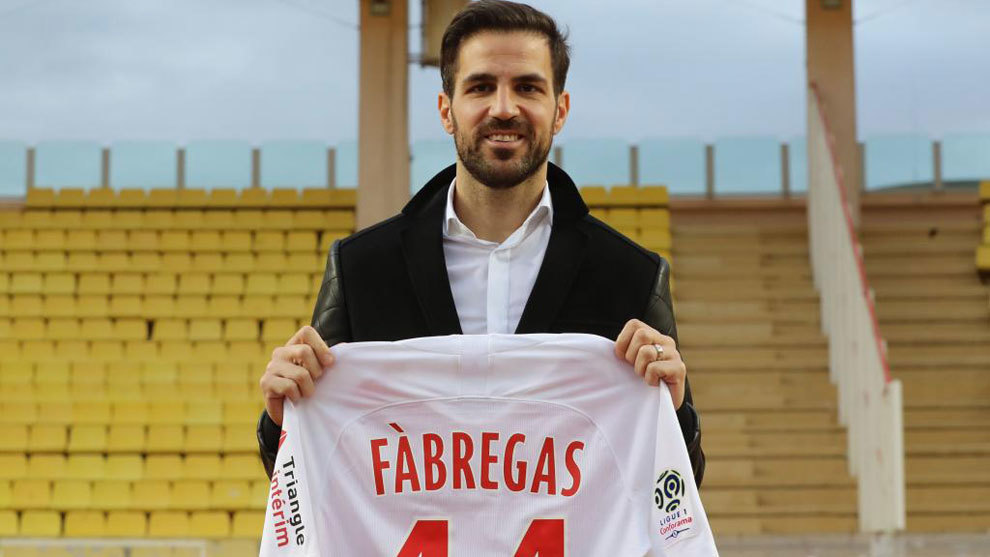
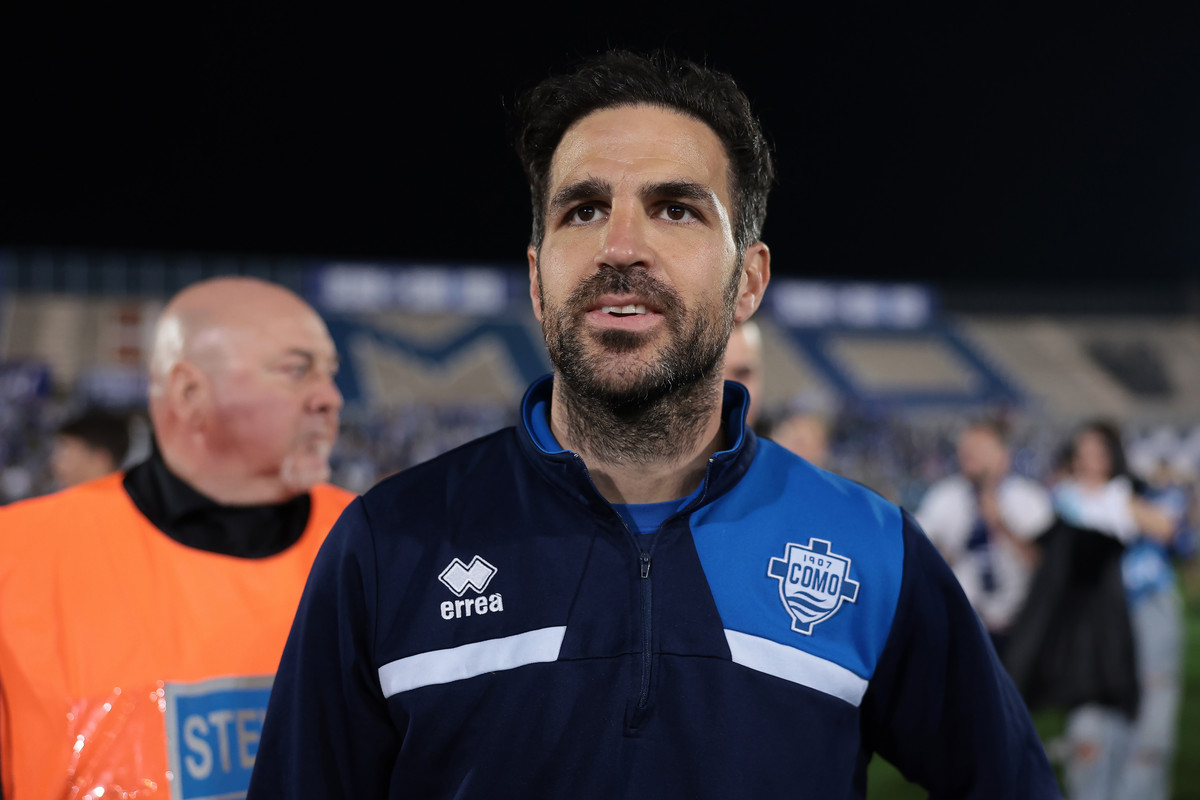
In 2022, Fabregas joined Como 1907, an ambitious Serie B side, where he played briefly and soon retired from professional football in 2023.
Managerial Transition
Immediately after retirement, he transitioned into coaching at Como. As of 2024–25, he remains involved with their development setup, serving as a youth coach and occasional interim manager, signaling a second act in football.
Peak Realized: Chelsea & Arsenal
Though Barcelona shaped him, Fàbregas’ prime clearly came in England—as Arsenal’s visionary and Chelsea’s midfield architect. Across 833 senior matches, he scored 125 goals and provided 186 assists—an elite career reflecting not only longevity but consistent class.
His La Masia foundation, combined with an elite football IQ, ensured that even after leaving Barça at 16, Fàbregas was destined for greatness. He didn’t just escape the shadows of Xavi and Iniesta—he carved his own legacy in Europe.
Marc Cucurella — From La Masia Fringe to Premier League Workhorse
La Masia Arrival & Early Setbacks
Born in Alella near Barcelona in 1998, Marc Cucurella joined Espanyol’s youth system before being snapped up by La Masia in 2012.
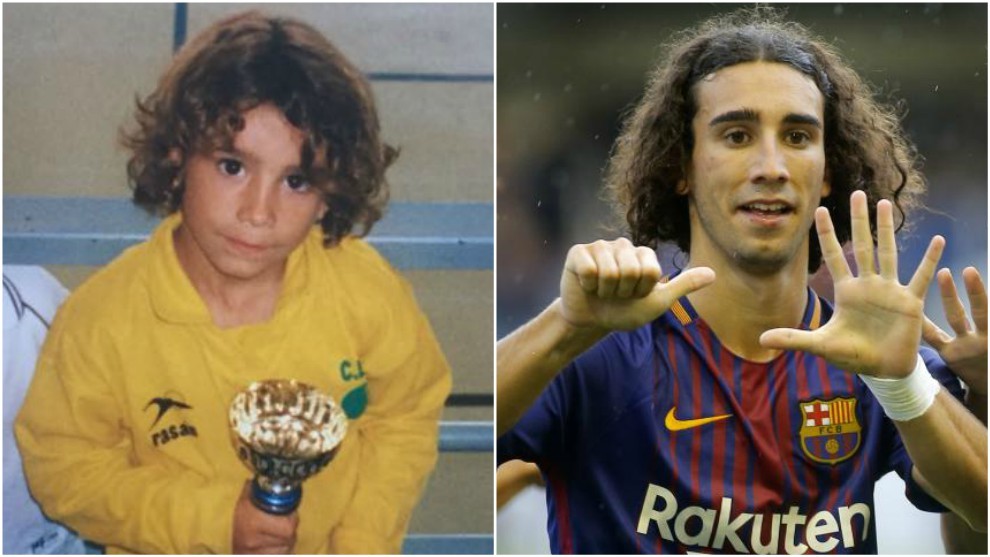
Known for intelligence and technical composure, he nevertheless endured a turbulent academy period—teammates reportedly shunned him after he celebrated a youth-cup win against them. Limited opportunities in a talent-stacked Barça hierarchy meant he never featured for the first team, made only a single Copa del Rey appearance, and was soon sent out to earn minutes.
Proving Ground Loans: Eibar & Getafe
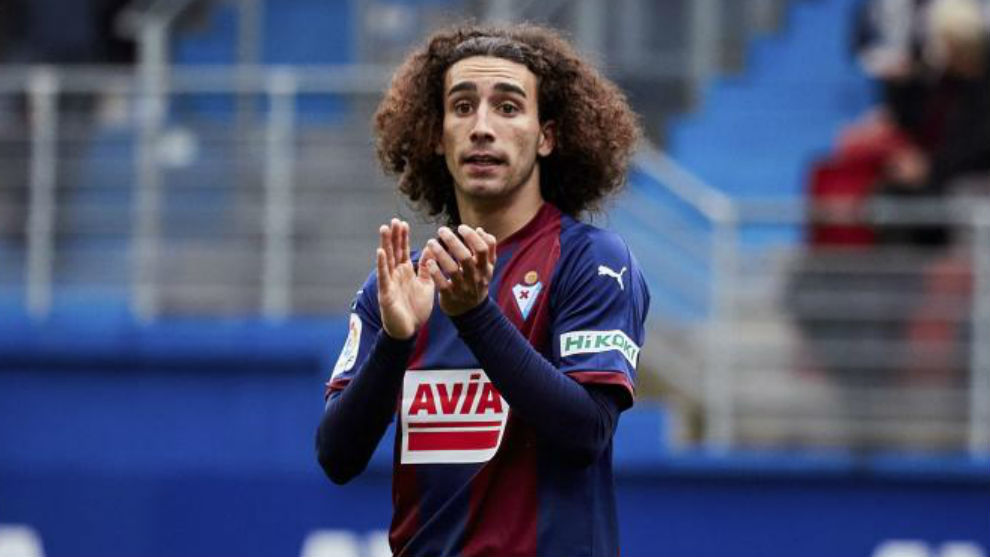
Loan to Eibar (2018–19, €2M + €4M buyback)
Facing a bare-bones squad in La Liga, Eibar needed grit over flash. Cucurella delivered both, starting 31 league games and dishing out two assists while contributing to an impressive 12th-place finish. Praised for his spatial intelligence—despite not being the fastest or strongest—he cemented his reputation as a cerebral pupil of the game.
Permanent Move to Getafe (€11.8M, 2020)
His consistency earned him a two-year loan then a permanent transfer. Over 75 league games, he scored four times and assisted seven, blossoming into a La Liga regular.
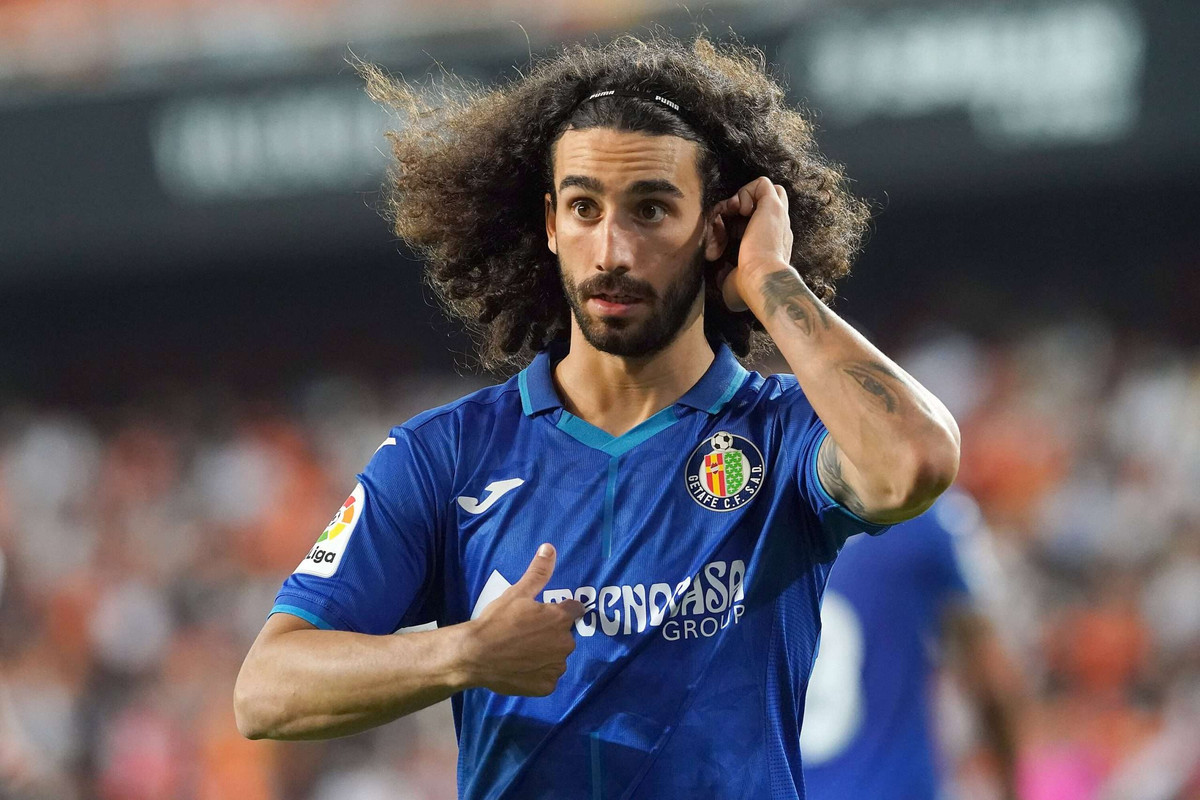
Reports noted his energy, leadership, and relentless pressing—“he never acted like he was from Barça,” teammates said. His performance in a memorable Europa League run further elevated his profile.
Brighton & Hove Albion: Breakthrough in the Premier League
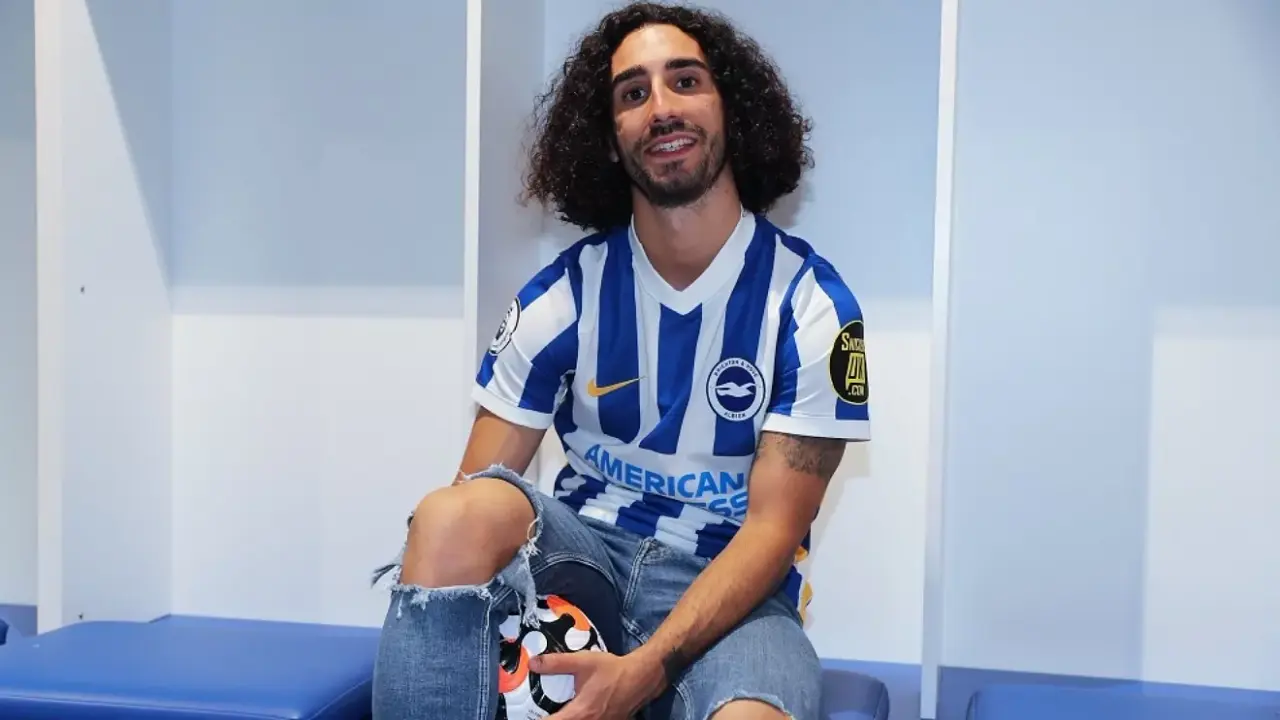
Brighton signed Cucurella in August 2021 for about £18 million. Firing on all cylinders under Graham Potter, he was quickly named both Player of the Season and Players’ Player—a testament to his immediate impact on the pitch. He featured in 38 league games, contributed one goal and two assists, and became the creative fulcrum of Brighton’s rising squad.
Chelsea: £55m Gamble Turned Success
In August 2022, Chelsea sealed a club-record defender signing for £55 million plus add-ons—outbidding Manchester City. His debut was unremarkable, but Todd Boehly and manager Mauricio Pochettino kept faith. Despite early criticism—booed in the Champions League vs Dortmund—he rebounded strongly.
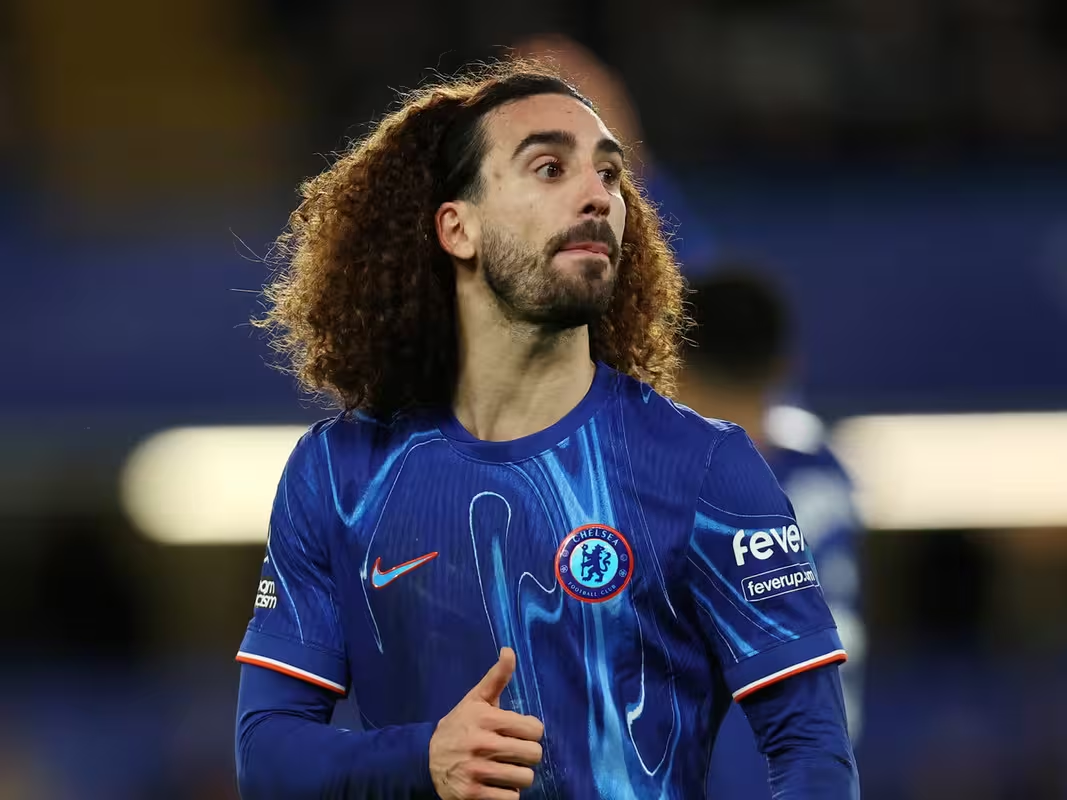
By March 2023, he was Player of the Match in a crucial 2–0 win over Dortmund, showcasing his growth under pressure. In the 2023–24 season, he scored his first Chelsea goal with a header in a 4–2 FA Cup quarter-final win over Leicester City.
In 2024–25 under Enzo Maresca, Cucurella evolved into an attacking force. By late February he had already notched 4 goals and 2 assists—his best-ever campaign—helping Chelsea win every game he scored or assisted in. His league contributions drew comparisons to forwards like Ødegaard and Højlund—unprecedented for a full-back.
Pochettino’s decision to deploy him as an inverted full-back—moving inside to strengthen midfield—was hailed as a masterstroke, key to Chelsea’s late-season surge.
Peak Form: Intelligence, Adaptation, Influence
Cucurella’s true breakout came in 2024–25. By blending defensive resilience with tactical versatility—playing left-back, inverted wing-back, and midfield overload—he became a trusted engine in a revitalized Chelsea side. His total: 8 goals and 7 assists across 108 Chelsea appearances underscore his all-round impact.
Luis García — The Cult Hero Who Conquered Europe Beyond La Masia
Forging Talent in La Masia & Early League Growth
Born in Badalona in 1978, Luis García joined Barcelona’s renowned La Masia academy in 1990, progressing to Barça B by 1997.
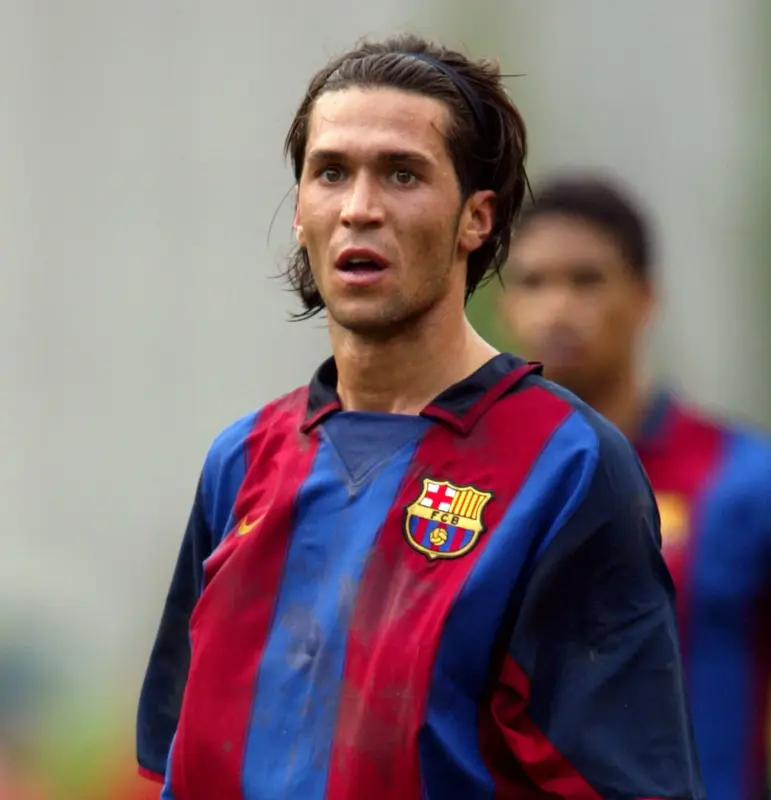
He made 73 appearances and scored 25 goals for the reserves in Segunda División B and Segunda División. While his senior debut came in the Supercopa de España, he never secured a La Liga appearance and was frequently loaned out—spending time at Valladolid (two spells), Toledo, and Tenerife. Notably at Tenerife in 2000–01, under Rafa Benítez, he flourished with 16 goals in 41 games, earning promotion and showcasing the attacking flair that La Masia helped shape.
Realising Big-Club Dream & Strategic Exit
In 2002, his impressive loan spells earned him a permanent move to Atlético Madrid, where he added 9 goals in 30 matches and quickly became a key attacking outlet.
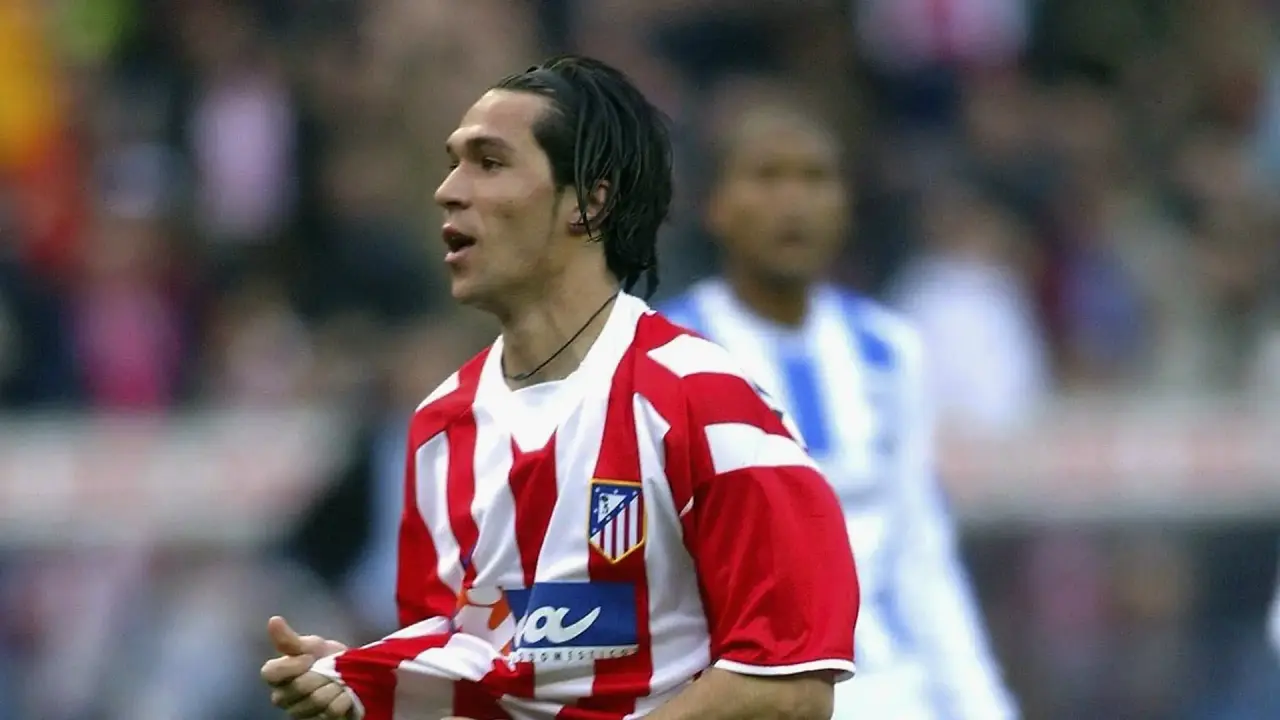
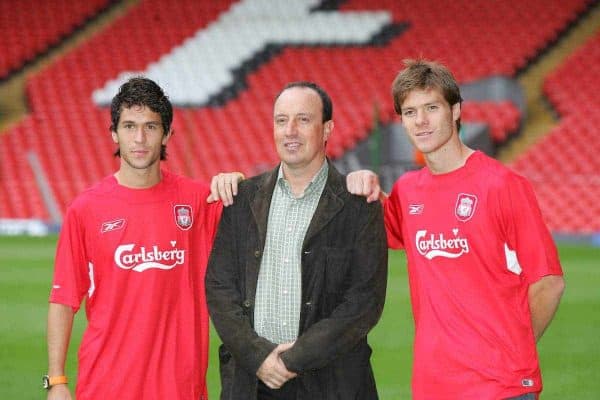
Barcelona repurchased him in 2003 for around €6 million, and he contributed 4 goals in 25 La Liga matches, including notable performances as a winger under Rijkaard. But with fierce competition for wide positions—including Ronaldinho, Giuly, and Belletti—García knew his breakthrough would be sporadic. In 2004, sensing his peak lay elsewhere, he activated his €9 million release clause to join Liverpool under Rafa Benítez who at the time had also signed Xabi Alonso as well.
The Liverpool Cult Legend (2004–2007)
At Anfield, García became a Kop favourite almost instantly. In 77 Premier League appearances, he scored 18 goals, but his impact stretched far beyond numbers.
The 2004–05 Champions League run immortalized him—he scored decisive goals against Leverkusen, Juventus, and Chelsea, earning the “ghost goal” moniker after his quarter-final strike against Chelsea controversially went over the line.
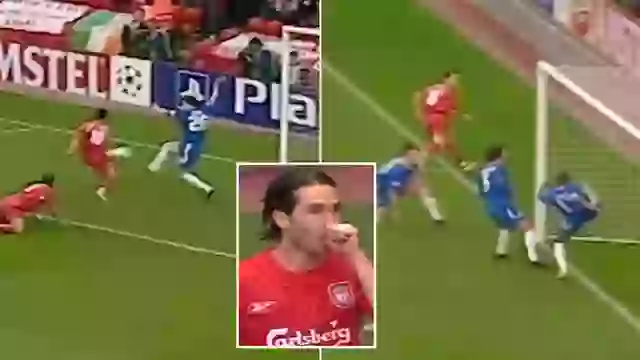
That same season ended in a dramatic final win in Istanbul and the UEFA Super Cup. A key FA Cup goal against Chelsea in 2006 helped secure another major trophy. Despite being somewhat inconsistent—capable of disappearing mid-game—fans celebrated his flair, unpredictable genius, and knack for big moments.
Later Career: Return to Spain & Global Journeys
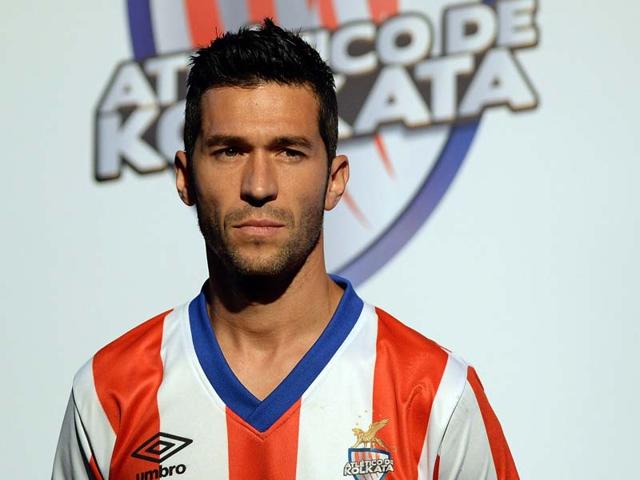
After Liverpool, García returned to Atlético Madrid (2007–09), making 49 La Liga appearances and scoring twice. Subsequent moves took him to Racing Santander, Panathinaikos, Puebla (33 games, 14 goals), UNAM, Atlético Kolkata, and the Central Coast Mariners—but none matched his Anfield impact. On the international stage, García earned 18 caps for Spain, contributing in the 2006 World Cup qualifying and Euro 2008 cycle.
Peak & Legacy: Big‑Game Flair
Luis García’s defining chapters unfolded post‑Barça. His Anfield years stand as his pinnacle—an unpredictable dribbler, clutch scorer, and Wembley hero. 77 league games, 18 goals, 30 across all competitions, and iconic Champions League moments, but more than stats, he gave fans unforgettable magic.
Though inconsistent in quieter games, his legacy is cemented: a La Masia graduate who found his platform, became a club legend, and proved that greatness can finish not where it starts—but where it matters most.
Pedro Rodríguez — The Underrated Winner Thriving Well Beyond Camp Nou
From Tenerife to La Masia & Barça Breakthrough
Born in Santa Cruz de Tenerife in 1987, Pedro burst onto the scene with San Isidro’s youth system before being scouted by Barcelona at 17 after netting 35 goals in regional tournaments.
He quickly made his mark in Barcelona C and B, tallying 17 goals in 55 matches—showing off his blistering pace, sharp dribbling, and instinctive positioning.
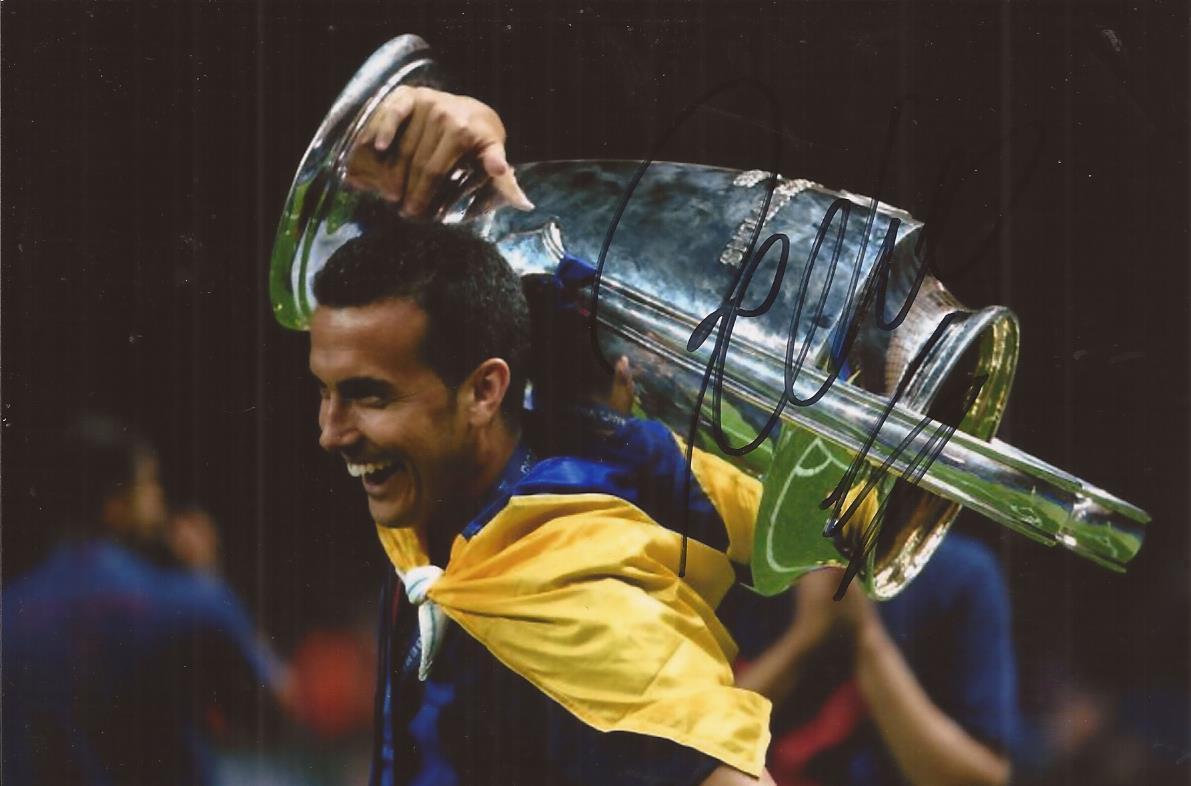
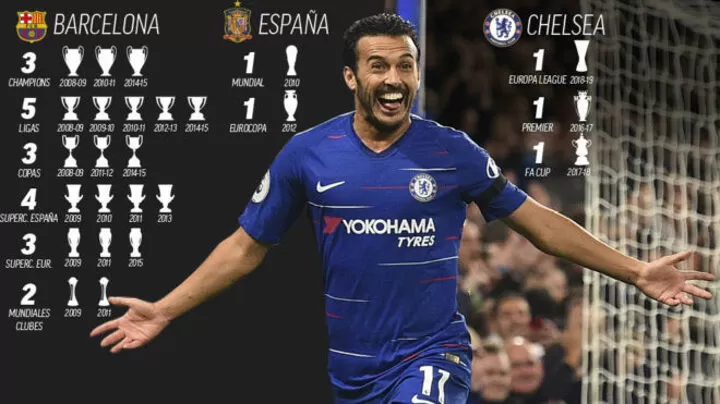
Promoted by Pep Guardiola in 2009, Pedro etched his name in Barca’s history by becoming the first player to score in six different competitions in a single season—La Liga, Champions League, Copa del Rey, Supercopa de España, UEFA Super Cup, and the Club World Cup. This was the turning point of his iconography with Barça.
Why He Left in 2015
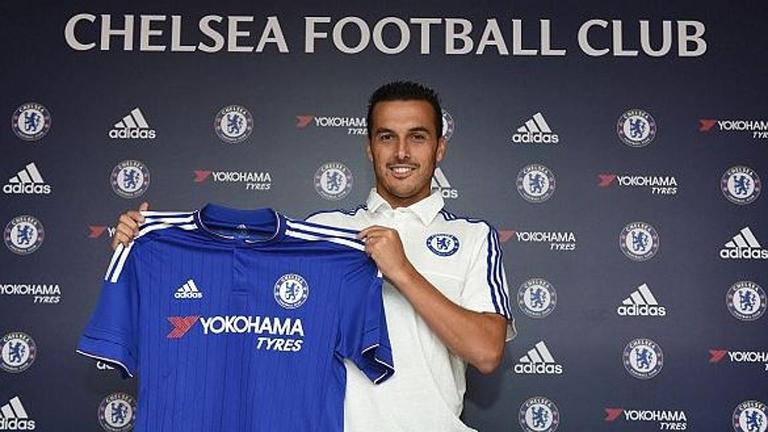
By mid‑2015, despite accumulating 131 appearances and 71 goals for the first team, Pedro found himself outshined by the new “MSN” era featuring Messi, Suárez, and Neymar. Seeking a defined role and consistent minutes, he accepted a transfer to Chelsea for €27 million (£19M) on August 20th, taking a calculated risk to reclaim his peak trajectory.
Chelsea: Rebirth & Silverware
Pedro’s Chelsea debut was emphatic—a goal and assist in a 3–2 win against West Bromwich Albion. Over five seasons, he made 137 appearances, scoring 29 goals and providing 28 assists. Under Conte’s 3-4-3 system in 2016–17, he posted nine goals and ten Premier League assists—playing a vital role in Chelsea’s title-winning campaign.
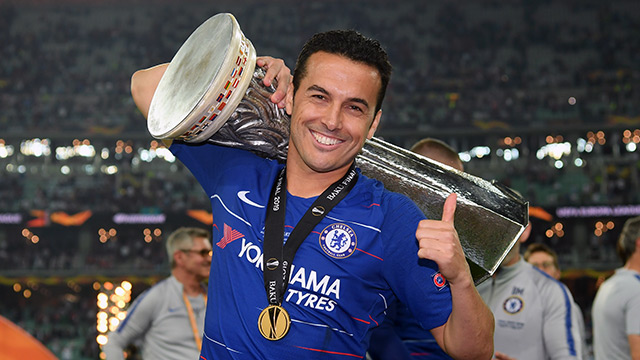
He also netted decisive goals such as against Manchester United (2016) and Tottenham (2019). Over his stint, Chelsea lifted eight major trophies, including Premier League, Europa League, FA Cup, League Cup, Community Shields, and UEFA Super Cup.
A Year at Roma (2020–21)
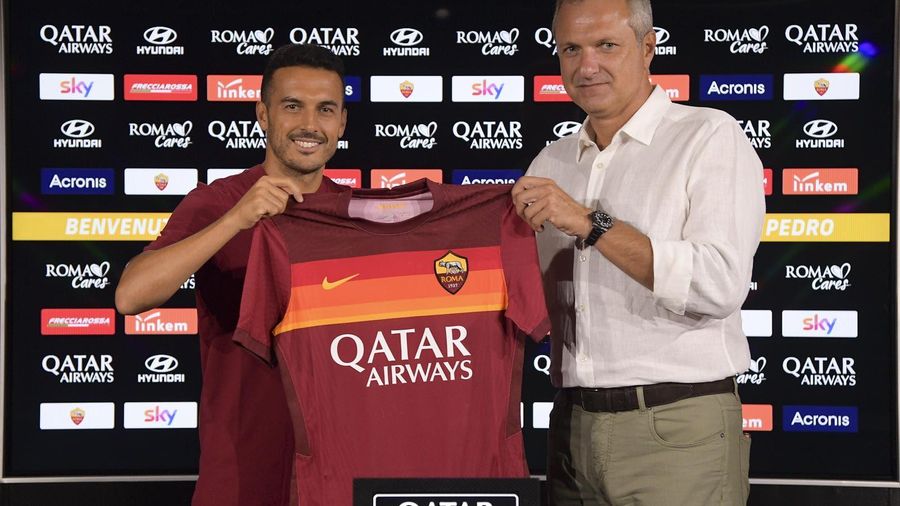
Pedro moved to Roma on a free transfer on September 1, 2020, signing a three-year deal. Under Paulo Fonseca, he recorded 6 goals in 40 appearances, scoring in the Rome Derby. However, the arrival of Jose Mourinho relegated him to the periphery, as he was excluded from pre-season plans and ultimately made surplus to requirements.
Lazio Revival (2021–Present)
In one of Italy’s rare and dramatic inter-city transfers, Pedro joined Lazio on August 19, 2021—becoming the first direct Roma-to-Lazio move since 1985. Manager Maurizio Sarri reignited Pedro’s career. Over four seasons, he accumulated 176 caps and 34 goals, maintaining a goal-or-assist every 110 minutes.
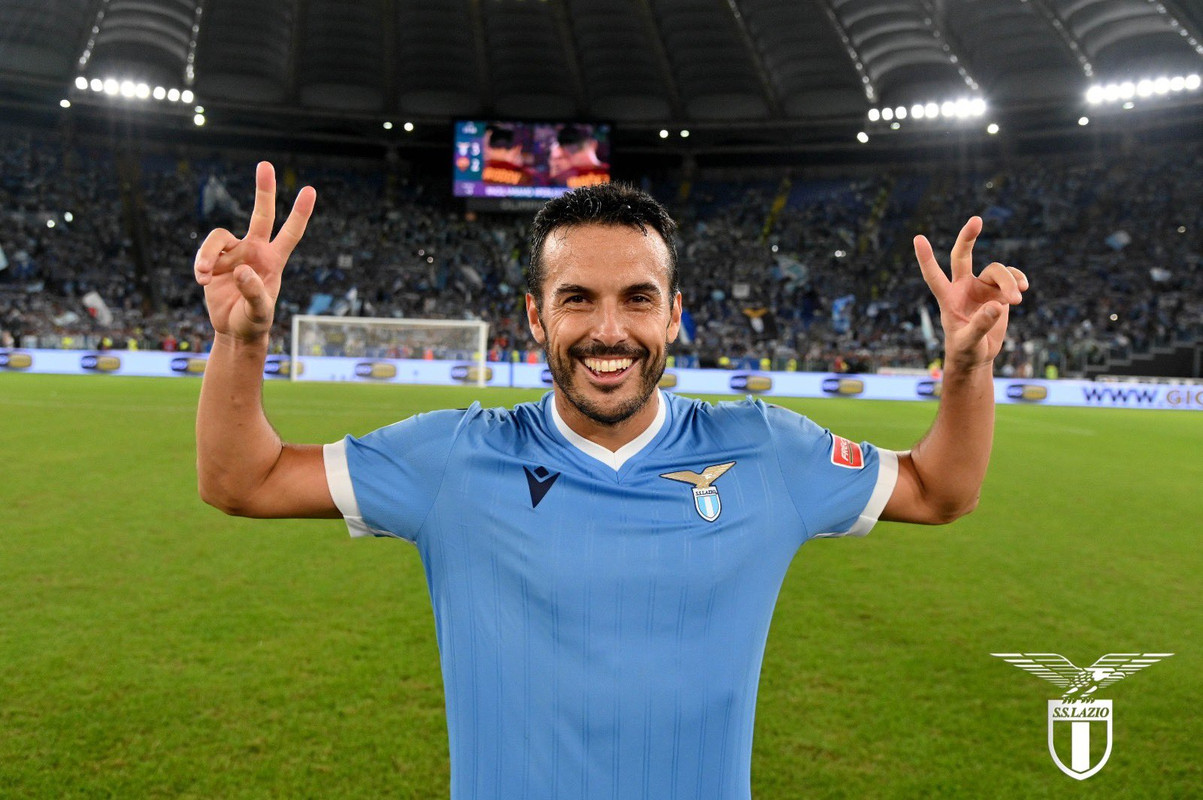
In 2023–24, he scored 14 goals and 5 assists in 44 matches, including a brace against Inter at San Siro. Even in 2024–25, at age 37, he added 9 goals in 26 league matches—seven as a super-sub, making him one of Serie A’s most effective impact players. Lazio secured Champions League qualification and extended his contract to 2026 with €2.2 million net per season.
Pedro’s Peak & Legacy
Pedro’s peak transcends any single club. His Chelsea era showcased tactical intelligence, pressing acumen, and clutch finishing. Now in Rome, he epitomizes veteran reliability, entering matches to shift games and stabilize high-stakes situations.
From a La Masia prospect eclipsed in Barcelona’s star-studded ranks, he has become a vital force in Serie A. Pedro’s story encapsulates the essence of adaptation, resilience, and sustained excellence—proof that value discovered at Barça can flourish domestically and forge a compelling legacy.
Gerard Deulofeu — The Winger Who Refused to Be Tamed
Early Sparks at La Masia
Gerard Deulofeu was born in Riudarenes, Catalonia, and joined La Masia in 2003 at only nine years old, swept up by the club’s tradition of turning street talent into polished artistry. Even among prodigies, Deulofeu’s explosiveness stood out: his dribbling could embarrass older defenders, and by the time he reached Juvenil A, he was touted as the next great Barcelona winger. Coaches often praised his unpredictability, but they also noted a streak of individualism that sometimes clashed with La Masia’s gospel of team-first play.
Despite his prodigious gifts, breaking into a Barcelona first team stacked with Lionel Messi, Pedro, Alexis Sánchez, and later Neymar was a daunting task. After debuting for the senior side in 2011, he mostly featured for Barcelona B, where he scored 18 goals in the 2012–13 Segunda División season—one of the highest tallies ever for a Barca B winger. But doubts lingered in the corridors of power at Camp Nou: would Deulofeu ever fully integrate into the system or remain an individualist?
Why He Left Barcelona
By 2013, Barcelona management decided he needed experience elsewhere, prompting a series of loans that would shape his career’s next phase. His first leap abroad came at Everton in the Premier League, joining Roberto Martínez’s side on loan.
He immediately became a cult figure: in the 2013–14 season, he dazzled with electric cameos, scoring key goals—like his late equalizer at Arsenal—and setting up others with his trademark surging runs.
Although raw, he was embraced for bringing flair to Goodison Park. His loan stint convinced Barcelona he merited another chance, and he returned for preseason in 2014. Yet with Luis Enrique demanding defensive discipline and consistency, Deulofeu struggled to convince the coaching staff, leading to a fresh loan to Sevilla. At Sevilla, he found minutes hard to come by, often used as an impact substitute in Unai Emery’s Europa League-winning squad.
By 2015, he made an emotional decision that underscored how even La Masia’s most creative spirits can drift away when structure and individualism collide: he permanently left Barcelona for Everton in a €6 million deal.
Reinvention Across England and Italy
Back at Everton, Deulofeu’s career reignited. In the 2015–16 season, he delivered 13 assists in all competitions, often combining superbly with Romelu Lukaku. His delivery from the right wing became one of the most potent weapons in the Premier League’s mid-table. Yet consistency remained elusive; spells of brilliance were punctuated by anonymous performances.

By January 2017, he was loaned to AC Milan, where he enjoyed a strong half-season revival: scoring four goals in 17 Serie A games and earning a recall to the Spanish national team. Milan wanted to keep him, but Barcelona exercised a buy-back clause that summer, bringing him home again for €12 million.
Initially, he was given a chance in Neymar’s vacated left-wing spot. He even scored in the Spanish Super Cup and La Liga openers. But as the season unfolded, Ernesto Valverde preferred other options, including the emerging Ousmane Dembélé. By January 2018, Deulofeu again looked abroad, this time moving to Watford on loan—a decision that finally allowed him to carve out an identity as a leader rather than a supporting act.
Hitting His Prime
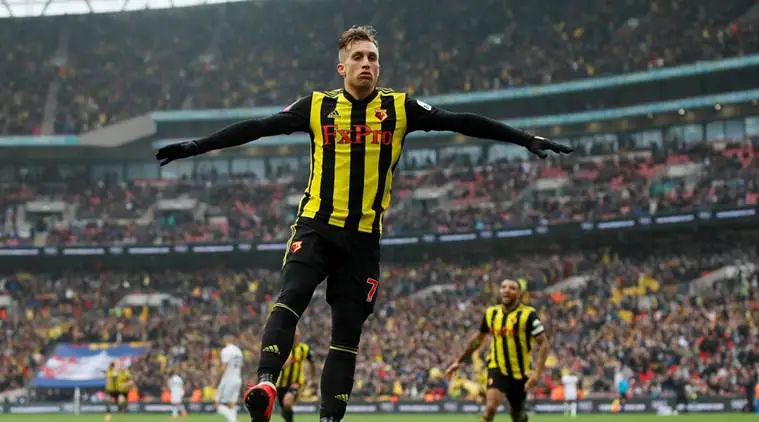
At Watford, he found the freedom he had craved. In 2018–19, he scored 10 Premier League goals, including a famous hat-trick against Cardiff City—becoming the first Watford player to achieve that in the top flight. His fearless dribbling and unpredictable movement lifted Watford to the 2019 FA Cup final, where he was instrumental in the semifinal win over Wolves—scoring twice, including a sublime curled effort. Though they lost the final to Manchester City, Deulofeu’s role was undeniable: he was finally the star.
His final significant chapter unfolded in Serie A with Udinese, where he signed permanently in 2020. Despite battling serious knee injuries, he reinvented himself as a second striker, using craft and intelligence to compensate for diminished pace. In the 2021–22 season, he produced 13 goals in 34 Serie A matches—his best tally since leaving La Masia—and captained Udinese to a respectable mid-table finish.
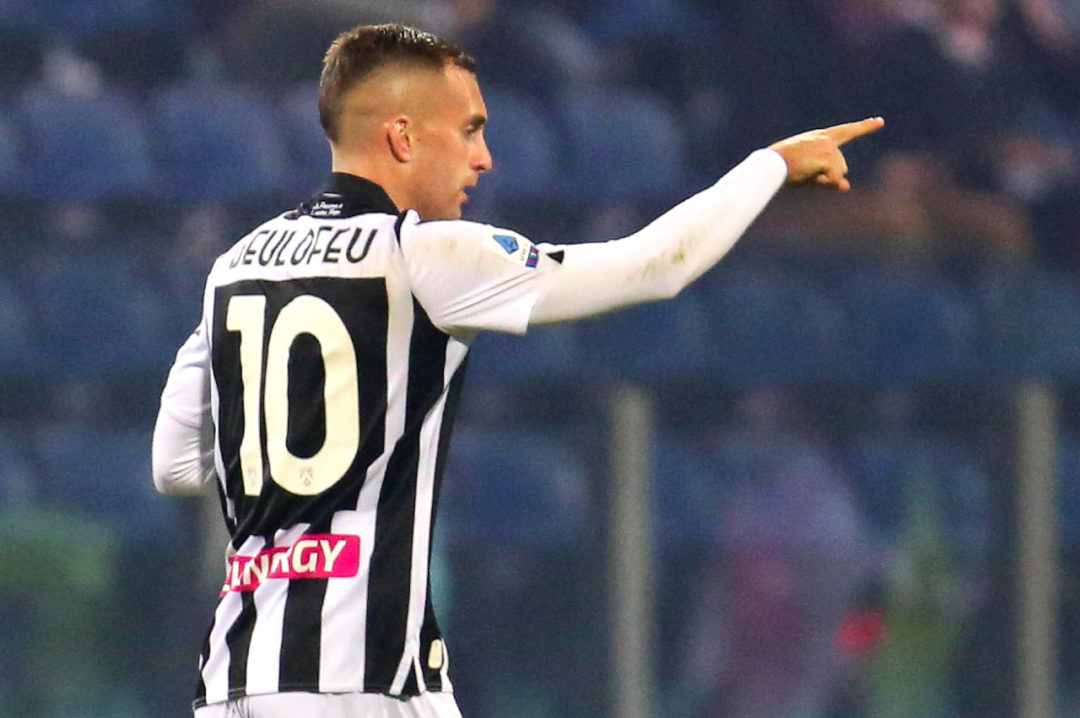
For Deulofeu, his prime wasn’t a single club or season. It was a mosaic of reinventions: dazzling teenager at Everton, resurgent creator at Milan, match-winner at Watford, and savvy leader at Udinese. While Barcelona may have questioned his fit, he proved that a La Masia graduate could thrive by forging his own chaotic, beautiful path.
Adama Traoré – La Masia’s Speed Demon Who Conquered English Football
La Masia Beginnings: Built Like a Bullet
Born in L’Hospitalet de Llobregat, Adama Traoré joined La Masia at just eight years old. From the outset, coaches marveled at his rare combination of power, pace, and tight control. His progression through Barcelona’s youth ranks was rapid; by 17, he debuted for the first team in a La Liga match against Granada in November 2013.
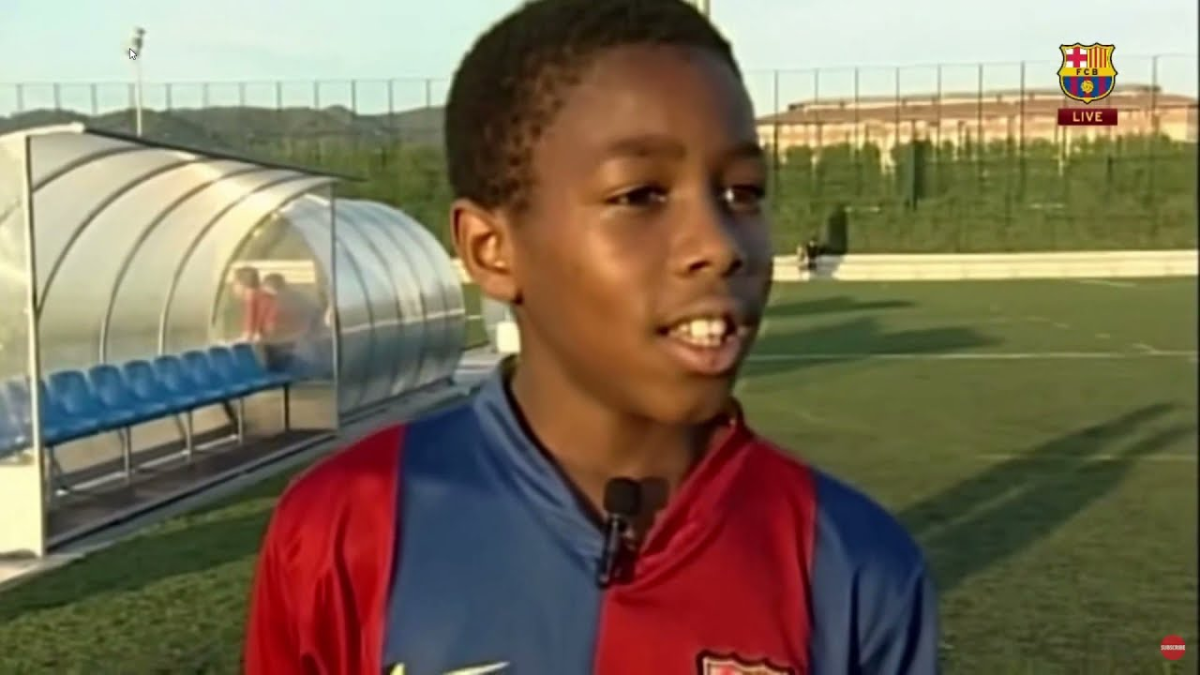
Though his strength and blistering speed were clear, breaking into a senior side packed with Neymar, Messi, and Pedro proved too tall an order. He made only four senior appearances, mostly as a late substitute.
A Leap of Faith to England (Aston Villa £7m, 2015)
Realizing his path at Barça was blocked, Adama made the bold move to Aston Villa in August 2015 for around £7 million. Despite flashes of brilliance — including an assist in his first league game — injuries and inconsistency limited his impact.
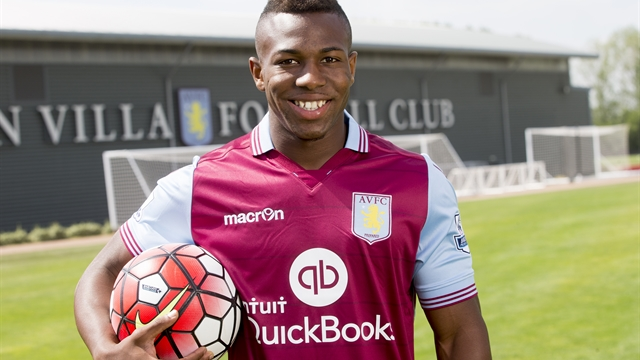
A switch to Middlesbrough in 2016 revitalized him. In the Championship and then the Premier League, his dribbling stats became legendary: most take-ons completed, most fouls won. His explosiveness tortured defenders weekly, even as end product needed refining.

Wolves: Unleashing the Beast (2018–2022)
Wolves’ £18 million capture of Adama in 2018 was transformative. Under Nuno Espírito Santo, Traoré developed into one of England’s most dangerous wingers. His 2019–20 campaign was his best: 4 goals and 9 assists in the Premier League, including decisive contributions against Manchester City and Tottenham.
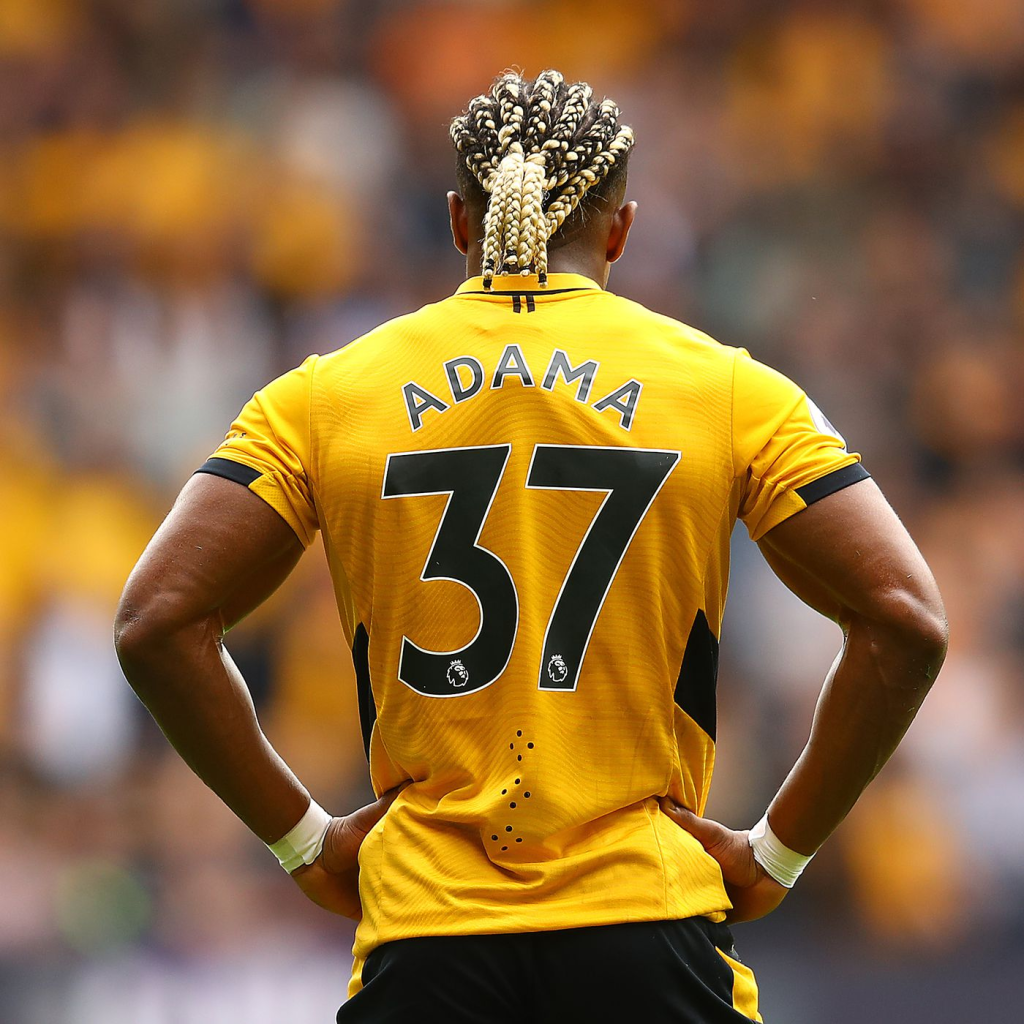
He formed a devastating partnership with Raúl Jiménez — Adama’s cutbacks and through balls fed the striker’s lethal instincts. Wolves’ Europa League run and back-to-back 7th place finishes bore his stamp.
Return to Barça and New Journeys
In January 2022, Adama returned to Barcelona on loan, providing depth during an injury crisis. While he impressed initially (4 assists in 11 La Liga games), consistency issues saw him return to Wolves. He later moved to Fulham in 2023, continuing to showcase his explosive wing play in England’s top flight.
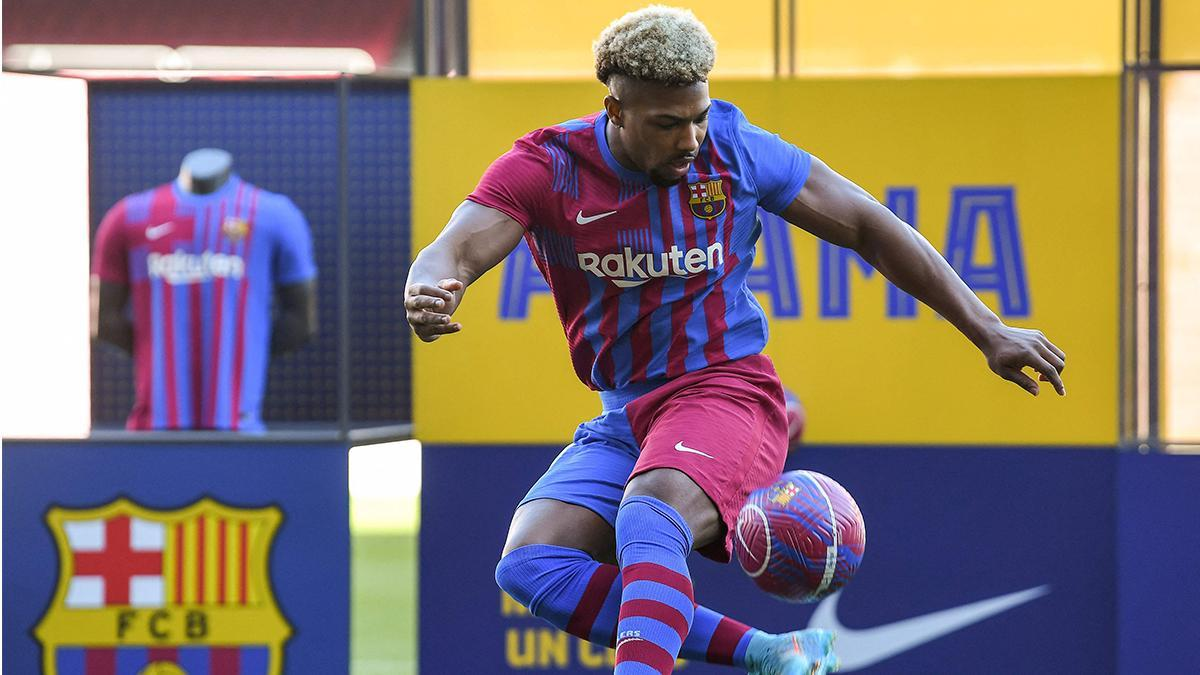
Peak Realized
Adama’s peak came in England — a winger whose power, pace, and fearlessness defined a new mold of wide player. From La Masia’s refined teachings to England’s rugged pitches, Traoré carved out a unique path, proving La Masia products thrive even far from home.
Héctor Bellerín – The Lightning Full-Back Who Made His Name in London
La Masia Foundations: Speed and Smarts
Born in Barcelona in 1995, Héctor Bellerín joined La Masia at age 8. Coaches immediately saw his natural speed, technical proficiency, and composure on the ball — traits that fit perfectly with Barça’s positional play and overlapping full-back philosophy.
Bellerín rose through the academy ranks as a right winger before transitioning to full-back, combining defensive awareness with attacking intent. Despite promise, competition at senior level — with Dani Alves in his prime — limited his chances of a first-team breakthrough.
Move to Arsenal (£500k, 2011)
In 2011, at just 16, Bellerín opted for a new challenge, joining Arsenal for a modest compensation fee of £500k. Arsène Wenger’s reputation for trusting youth was key in his decision.
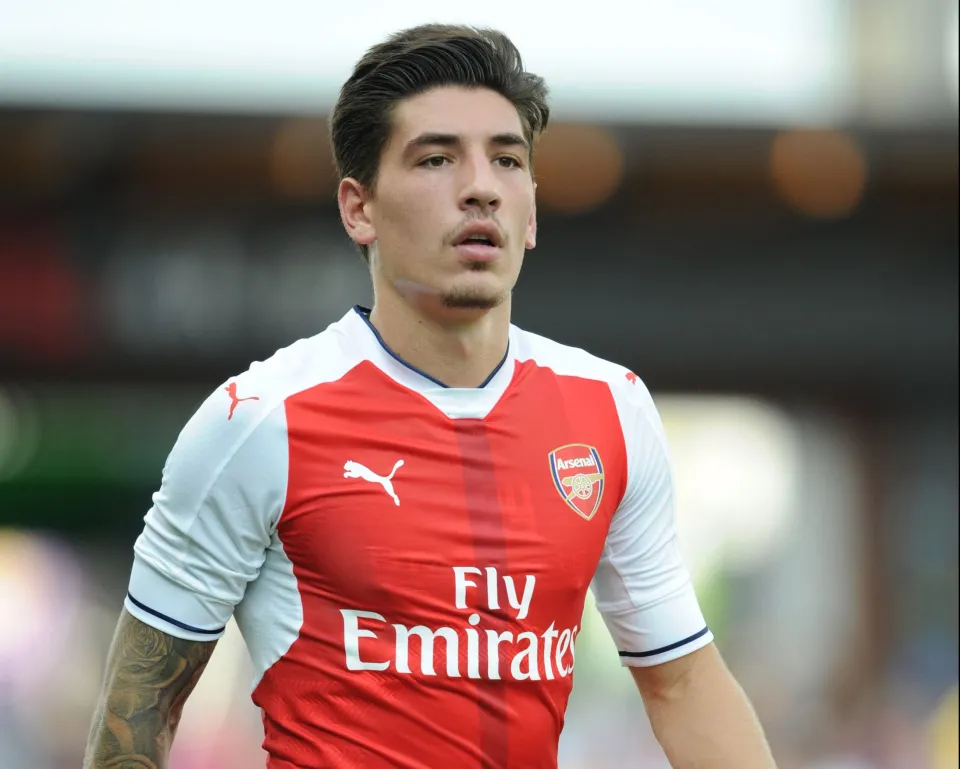
After honing his craft in Arsenal’s academy, he debuted for the senior side in 2013 and became the first-choice right-back by 2014–15. That season saw him score in a crucial win over Liverpool and help Arsenal lift the FA Cup.
London Legacy: Trophies and Consistency
Over a decade at Arsenal, Bellerín made 239 appearances, scoring 9 goals and delivering 29 assists. He won 3 FA Cups (2015, 2017, 2020) and was named in the 2015 PFA Team of the Year. His lightning pace, precise cutbacks, and stamina defined Arsenal’s right flank in their post-Invincibles era.
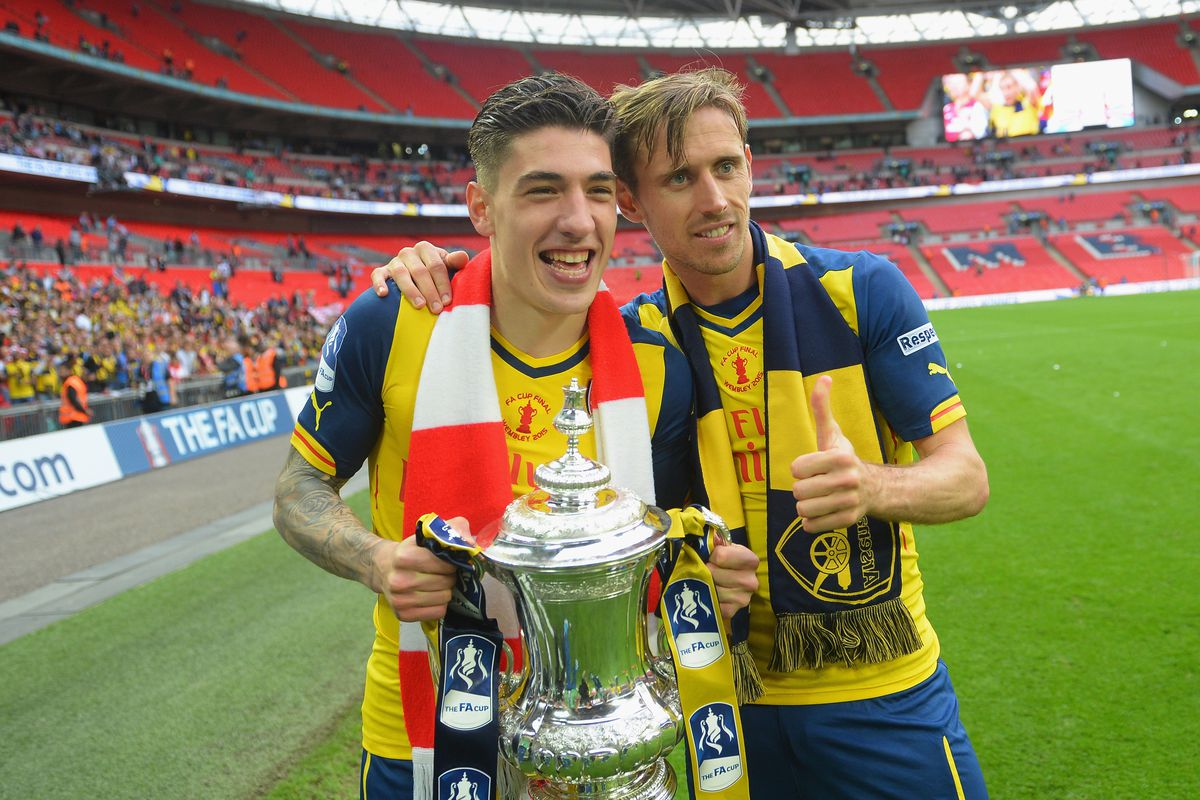
Though injuries (notably a torn ACL in 2019) hampered parts of his career, Bellerín’s commitment and leadership were never in doubt.
Return to Spain and Rebuilding
Bellerín returned to Spain with Real Betis in 2021–22, where he helped them win the Copa del Rey — their first major trophy in 17 years. He later had a short stint at Barcelona in 2022–23, fulfilling his dream of representing the first team, before moving to Sporting CP in 2023 to rejuvenate his career further.
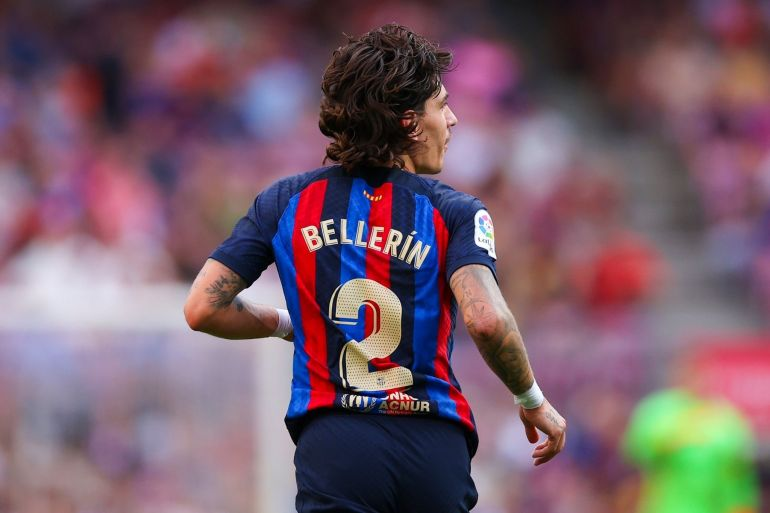
Peak Realized
Bellerín’s prime came at Arsenal, where he embodied the modern attacking full-back. His La Masia schooling combined with the Premier League’s demands to produce a player respected across Europe. His story shows how Barça’s academy doesn’t just create stars for Camp Nou — it builds pros who shine on the biggest stages elsewhere.
Final Whistle
These 10 proofs—Icardi, Simons, Grimaldo, Thiago, Pedro, Fabregas—showcase La Masia’s true strength: it’s not just an academy, but a global footballing passport. No matter if they stayed, left, excelled, or reinvented themselves, they’ve all carried the Blaugrana DNA—and the world’s better for it.