When it comes to women’s football, Alisha Lehmann, the 26-year-old Swiss forward for Juventus and the Switzerland national team, has long been a polarizing figure.
Known for her skill on the pitch, her 16.7 million Instagram followers, and her title as the “world’s sexiest footballer,” Lehmann’s public persona blends athletic prowess with a carefully curated social media presence. However, speculation about a possible facelift has ignited a heated debate among fans, with old photos resurfacing and prompting many to claim she looked better before any alleged cosmetic enhancements.
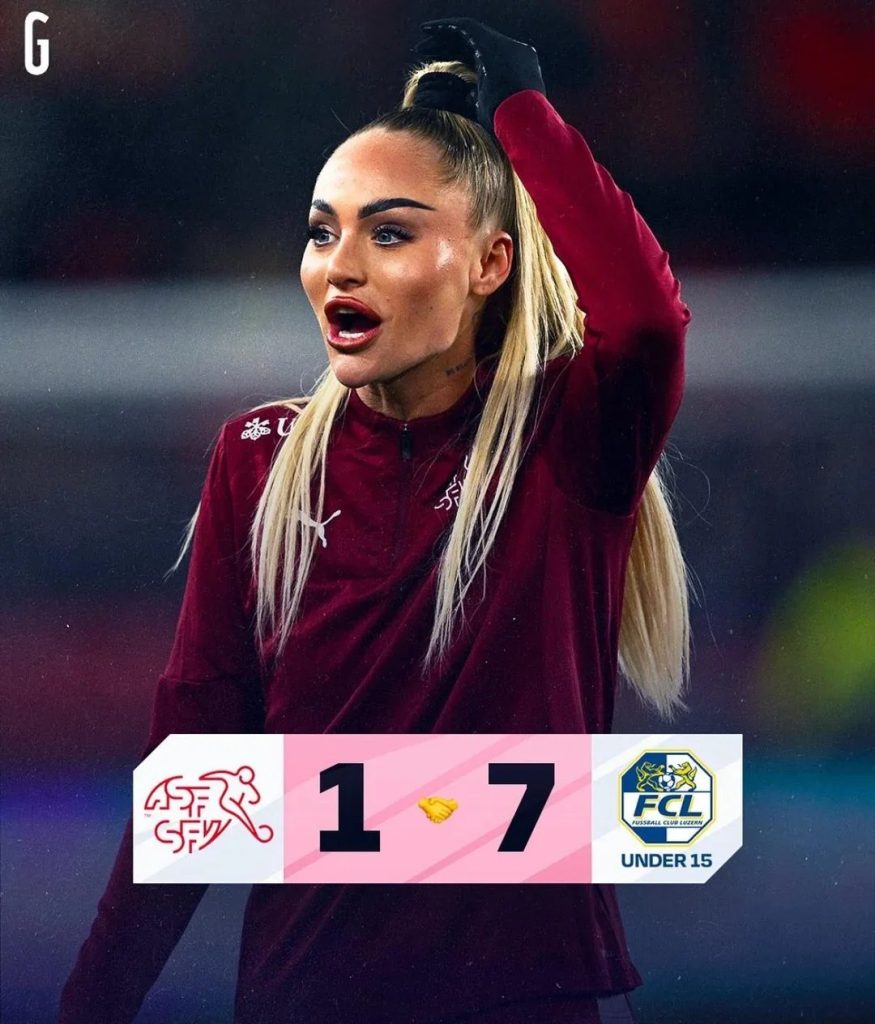
As Switzerland’s women’s side reels from a 7-1 loss to FC Luzern’s U15 boys’ team ahead of the UEFA Women’s Euro 2025, Lehmann’s appearance has become an unexpected focal point.
Old Photos and Social Media Buzz
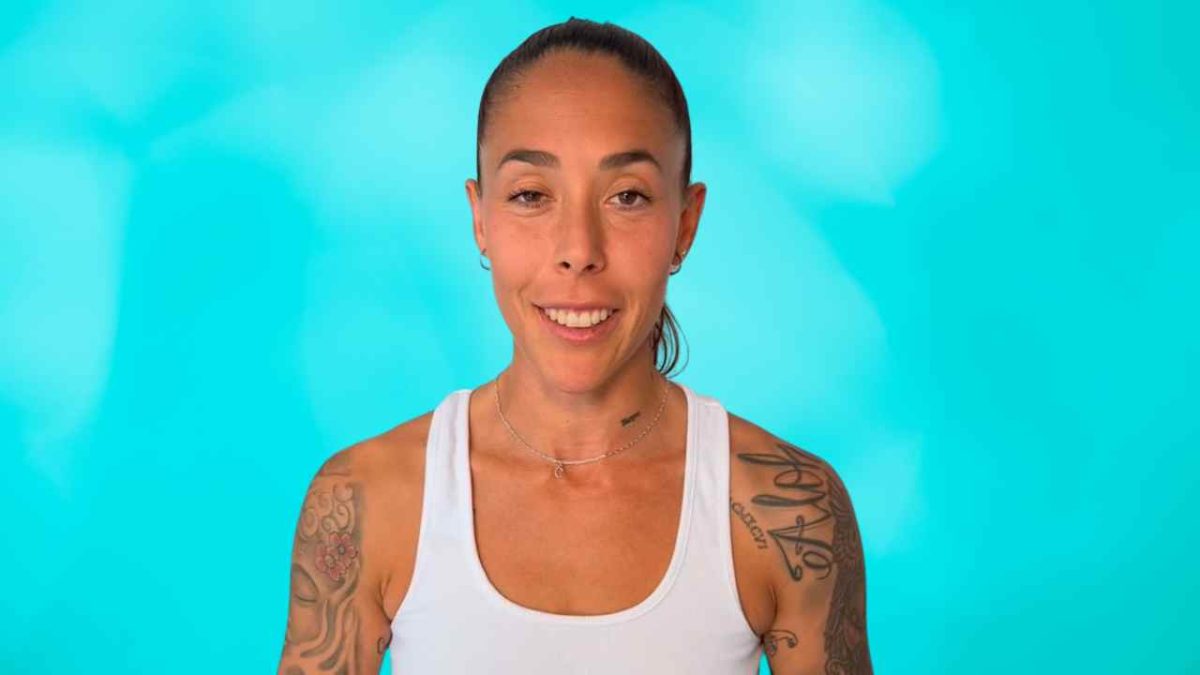
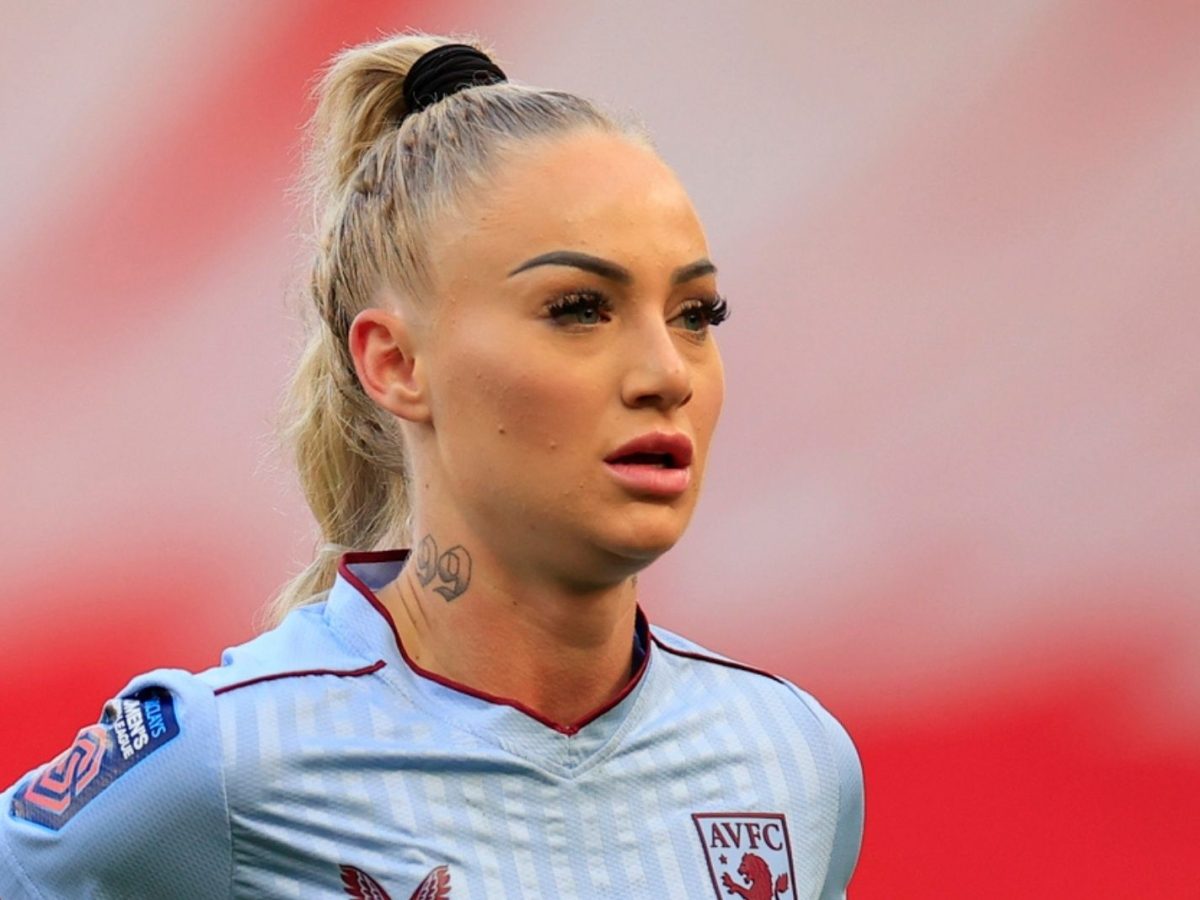
The controversy began when old photos of Lehmann, taken during her early career with West Ham United and BSC Young Boys Frauen, resurfaced on platforms like X and Reddit. These images, showing a fresh-faced Lehmann in her late teens and early twenties, contrast with her current polished look—complete with defined cheekbones, fuller lips, and a sharper jawline.

While no concrete evidence confirms Lehmann underwent a facelift, fans point to subtle changes in her facial structure, often attributing them to cosmetic procedures rather than makeup, lighting, or natural aging.
On Reddit, users debated her look, with one commenting, “Her old photos show a girl next door vibe. Now it’s all Instagram filters and angles—takes away from her authenticity.” The sentiment echoes a broader fan narrative: Lehmann’s earlier, less glamorous image felt more relatable, a quality some feel has been lost.
Lehmann’s Rise and Public Persona
Lehmann’s journey from a promising talent to a global influencer has amplified scrutiny of her appearance. After stints at West Ham and Everton, she joined Juventus in 2024, where her on-field contributions—two goals and one assist in 16 Serie A matches—have been overshadowed by her off-field endeavors. Her partnerships with brands like Tezenis, where she modeled bikinis in a sizzling beachside campaign, and her massive social media following have made her a marketing powerhouse.
Yet, this visibility comes with a cost. Lehmann has openly addressed criticism about her focus on sponsorships, telling The Sun, “People talk too much about these things; they don’t influence my performance on the pitch in any way.”
Why Fans Prefer the “Old” Alisha
The preference for Lehmann’s pre-transformation look stems from several factors. First, her earlier photos evoke a sense of relatability. These photos capture a younger Lehmann, before the pressures of global fame and brand deals reshaped her image. “She looked like someone you could grab a beer with,” a Reddit user quipped, contrasting her current high-glam aesthetic.

Second, the backlash reflects broader discomfort with cosmetic surgery in sports. Fans often idealize athletes as symbols of natural ability and grit, and perceived enhancements can disrupt that narrative.
Finally, the timing of the debate—coinciding with Switzerland’s 7-1 loss to Luzern’s U15 boys—has amplified scrutiny. The lopsided scoreline, leaked via a TikTok post, drew mockery, with some fans unfairly linking Lehmann’s appearance to her performance.
A Reddit comment snarked, “Predictable. Looking at her, poor women hardly got any time for training.” This conflation of her looks with her athletic ability underscores the double standard women in sports face, where appearance often overshadows talent.
Lehmann’s Response and the Bigger Picture
Lehmann has not directly addressed the facelift rumors, but her past statements suggest she’s unfazed by criticism. In May 2025, she retaliated, “I’m a girl, I’m feminine, and I like nails. People talk too much about these things; they don’t influence my performance.”
Her Instagram posts, like one captioned “The moment is now” after the U15 loss, focus on her excitement for Euro 2025, where she’s a last-minute call-up after Alena Bienz’s injury. Her three-word statement—“We are Switzerland”—reflects a defiance that extends beyond the pitch.
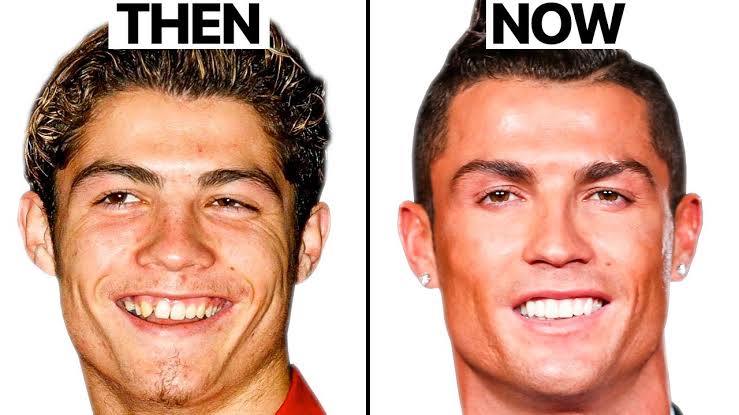
The debate over Lehmann’s appearance reveals a deeper tension in women’s sports: the pressure to balance athleticism with societal expectations of femininity. While male athletes like Cristiano Ronaldo face minimal backlash for cosmetic enhancements, women like Lehmann are scrutinized for any deviation from a “natural” ideal.
The nostalgia for her old photos reflects fans’ longing for a time when her image felt less curated, but it also ignores the reality of her evolution as a public figure navigating fame, sponsorships, and a demanding career.
Beyond the Photos
As Switzerland prepares for their Euro 2025 opener against Norway on July 2, Lehmann remains a focal point—both for her role on the team and the controversy surrounding her look. Whether or not she underwent a facelift, the debate over her appearance underscores the unfair lens applied to women in sports. Fans may prefer the “old” Alisha for her relatability or perceived authenticity, but Lehmann’s focus remains clear: representing her country and proving her worth on the pitch.