Crystal Palace fans were still high from watching their team stun Manchester City in the FA Cup final last season only a few months ago at Wembley—the first major trophy in the club’s long history—when they got hit with this:
“We can confirm that Robert Woody Johnson, or Woody, has signed a legally binding contract to purchase Eagle Football’s holding in the club. Full club statement.”
That tweet sent Palace Twitter into overdrive. Who is Woody? Why now? What does this mean for their Europa League hopes?
Let’s break it all down—without the corporate fluff.
Palace’s Fairytale Ends With… a Bureaucratic Headache?
That FA Cup win was magic. Beating Pep. Lifting silverware. Europe calling.
Only… UEFA wasn’t having it.
Here’s why:
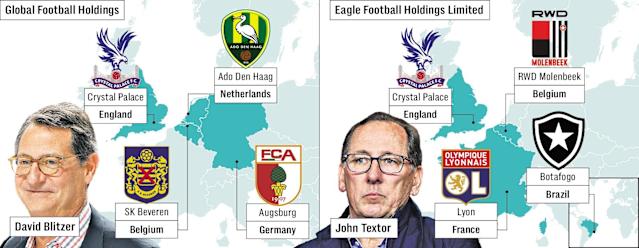
Crystal Palace’s (then) co-owner John Textor also owns Olympique Lyonnais under Eagle Football Holdings Limited as the forefront company, unlike David Blitzer, and UEFA doesn’t allow two clubs with the same ownership to play in the same European competition. Palace won the FA Cup. Lyon finished 6th in Ligue 1. Both qualified for the Europa League. Boom—conflict.
UEFA gave a March 1, 2025, deadline to resolve this. Palace? Missed it.
And when they tried some classic football admin gymnastics—like arguing Textor only had 25% voting power or putting his shares in a blind trust—UEFA said, “nope.”
Meanwhile, The Guardian reported that Nottingham Forest, who narrowly missed out on European qualification, went full petty and formally complained to UEFA.
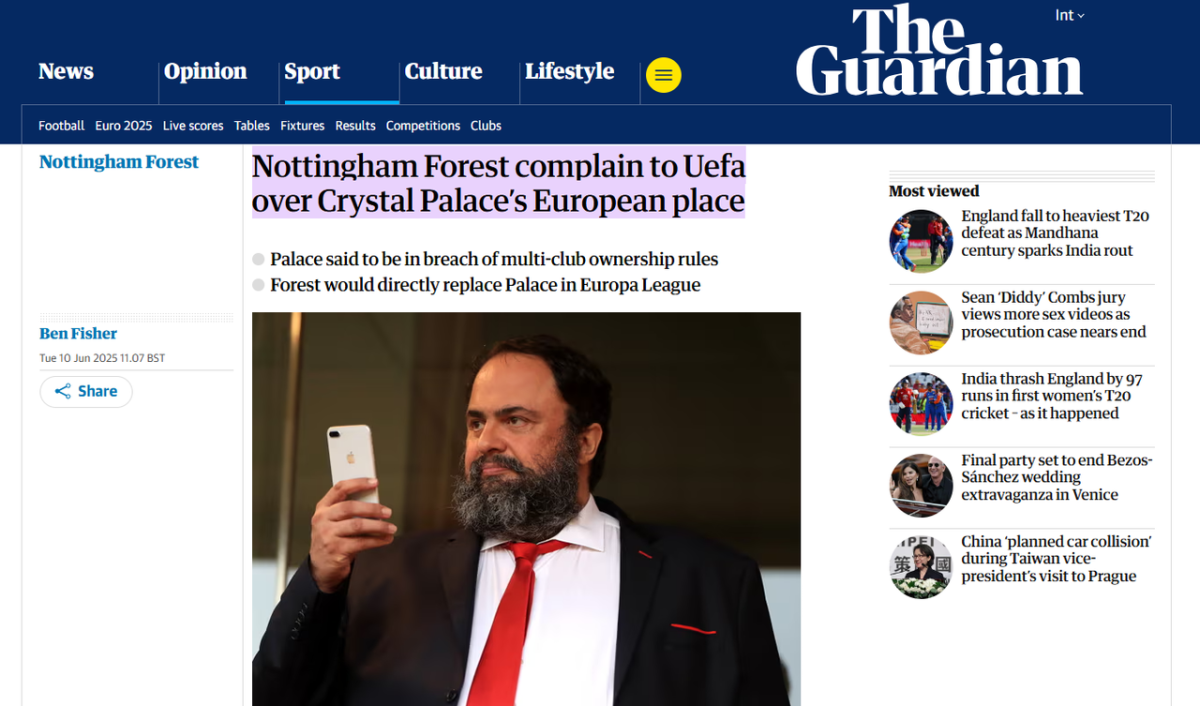
UEFA does allow clubs with multi-ownership conflicts to resolve the issue by placing the disputed shares into blind trusts—a legal workaround that lets an independent third party hold the shares temporarily so that the owner’s influence is paused.
And that’s exactly what Crystal Palace and their then-majority stakeholder John Textor attempted to do. However, UEFA rejected this maneuver, citing the missed March 1 deadline, which clubs had been instructed to comply with earlier in the year.
So what happened next?
Palace’s Full Official Club Statement (June 23, 2025):
Here’s what the club posted to calm the chaos—and confirm the new man in charge:
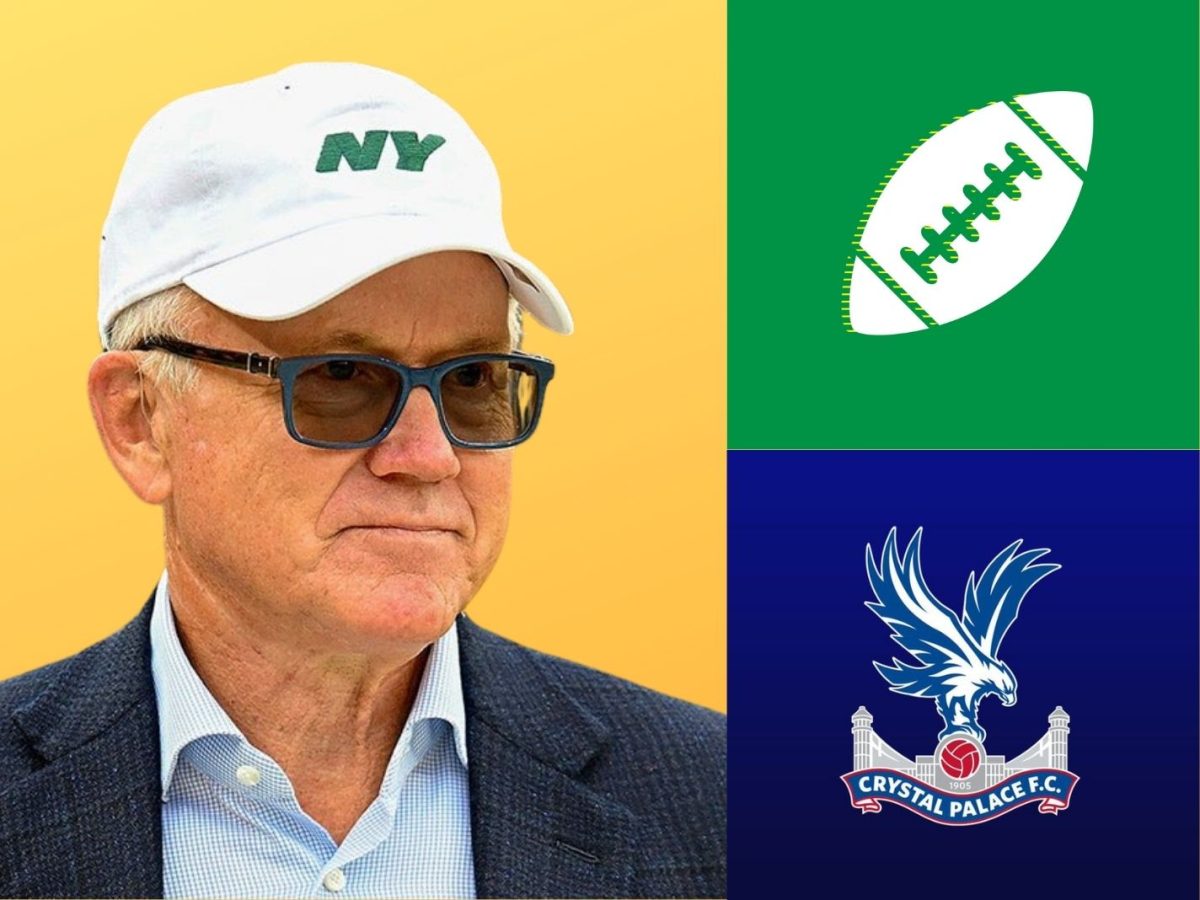
“Crystal Palace Football Club can confirm that Robert Wood Johnson, Woody, an American businessman and co-owner of the New York Jets, has signed a legally binding contract to purchase Eagle Football Club’s holding in the club, while the completion is pending approval from the Premier League and Women’s Super League.
We do not envisage any issues and look forward to welcoming Woody as a partner and director of the club. We would like to go on record to thank John Texter for his contribution over the past four years and wish him every success for the future.”
Sounds calm. But it’s massive.
Because this means John Textor is out. And in comes one of America’s wealthiest men…
Who Is Woody Johnson?
Robert Wood Johnson IV—better known simply as Woody—is a figure who straddles the worlds of pharmaceuticals, politics, and sports ownership, with a reputation as polarizing as it is fascinating. Born on April 12, 1947, in New Brunswick, New Jersey, Johnson grew up as the heir to the vast Johnson & Johnson fortune. Multiple publications estimate his net worth between $3.4 billion (Forbes) and $9.2 billion (The Times UK), underscoring just how much financial muscle he brings into any venture he touches.
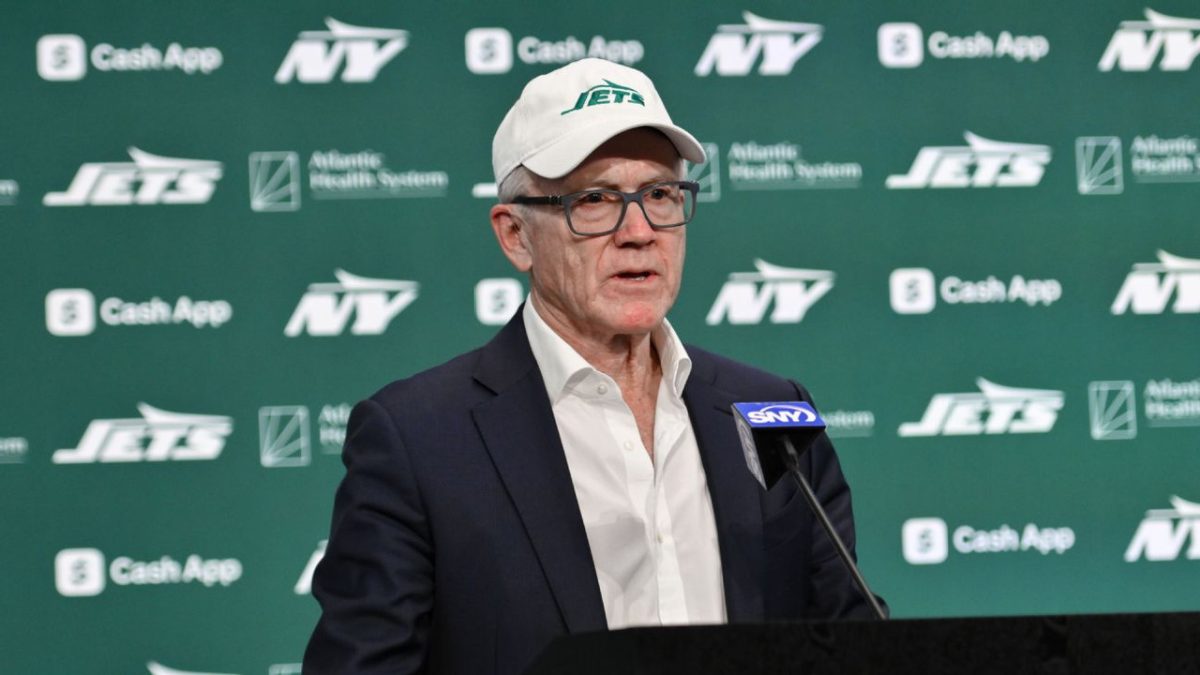
Although he spent decades as a business magnate and philanthropist, most football fans know him as the owner of the NFL’s New York Jets—a role he assumed in 2000 after buying the franchise for a then-record $635 million. Two decades later, his investment has ballooned: Sportico values the Jets between $5.4 billion and $6.9 billion, a testament to his ability to grow an asset’s commercial worth even while the team itself often floundered on the field.
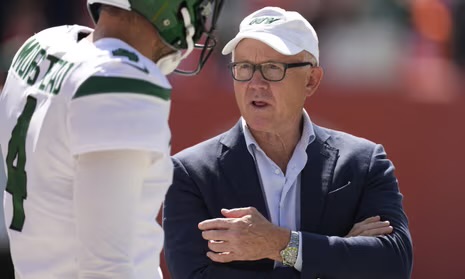
A “Ready, Fire, Aim” Owner
If there is one phrase that encapsulates Woody Johnson’s stewardship of the Jets, it’s the description insiders have often used: ready, fire, aim. This captures the hallmark of his ownership style—an impulsive, frequently hands-on approach that sometimes verges on chaos. Over the years, Johnson developed a reputation for meddling in player drafts, abruptly sacking coaches, and overriding front-office strategies.
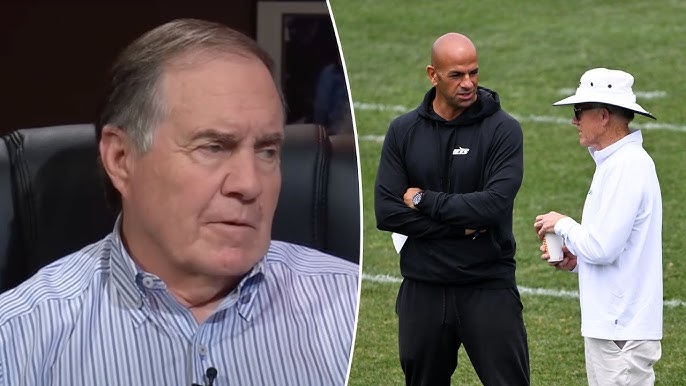
Even Bill Belichick, arguably the NFL’s greatest coach, once publicly ridiculed the Jets’ instability under Johnson. The results are hard to ignore: since 2000, the Jets have reached the playoffs only six times and have endured a staggering 14-year postseason drought. The frequent turnover—both in management and coaching—bred an environment where continuity was nearly impossible.
For Crystal Palace fans now watching this transatlantic figure stride into Selhurst Park, it’s a track record that stirs equal parts curiosity and trepidation.
The Diplomatic Chapter
Beyond sports, Woody Johnson has been a politically active figure. In 2017, U.S. President Donald Trump appointed him as Ambassador to the United Kingdom. Johnson served throughout the tumultuous Brexit years, overseeing the relocation of the U.S. Embassy in London and occasionally drawing headlines for controversial remarks and management style.
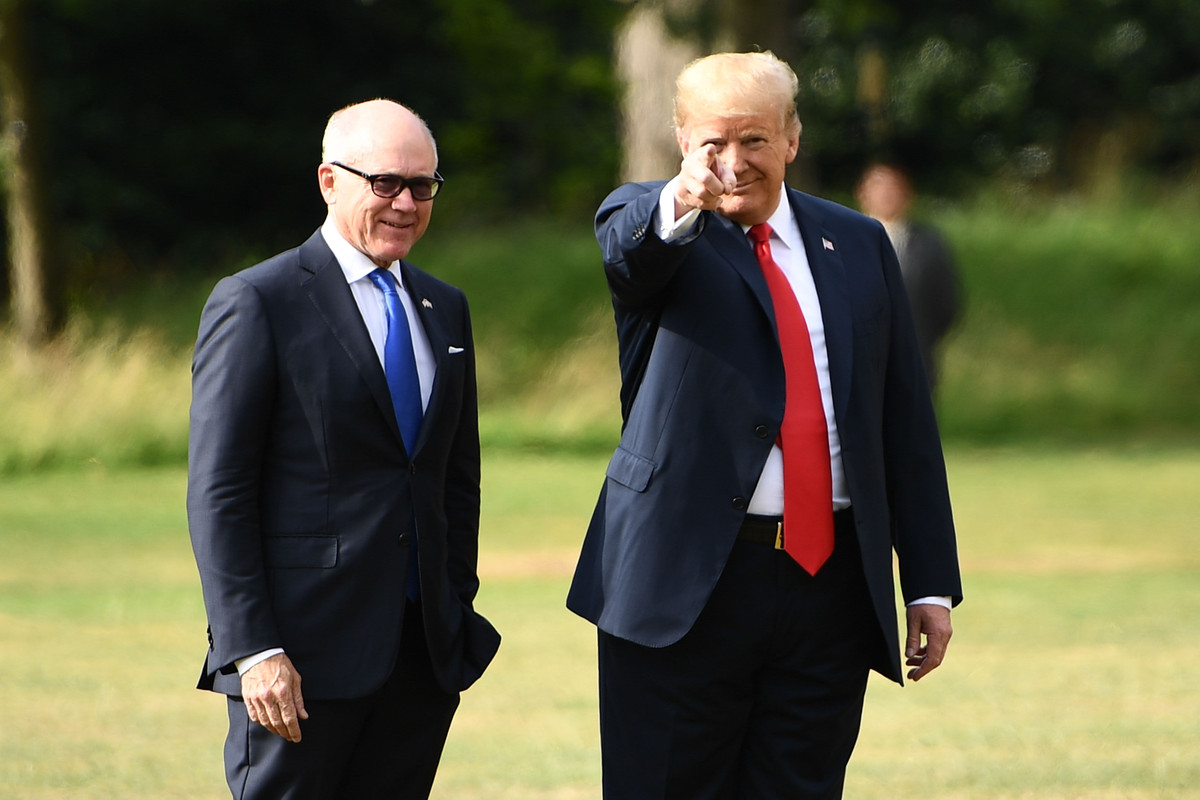
Even as ambassador, he never fully left sports behind. In 2022, he attempted to return to the Premier League by bidding around £2 billion to buy Chelsea Football Club—a move that ultimately fell short when Todd Boehly’s consortium secured the deal instead.
What Did He Pay for Crystal Palace?
While the final figure remains subject to regulatory filings, multiple reports—including the BBC—have pegged the transaction at close to £190 million. This price reflects the value of John Textor’s 43% stake, which Johnson has acquired to resolve UEFA’s multi-club ownership conflict.
It’s a sum that underscores just how high the stakes are—not only in sporting terms but also as a serious financial commitment from Johnson himself.
Why His Arrival Matters So Much for Crystal Palace
Johnson’s purchase of John Textor’s 43% stake in Crystal Palace could end up being one of the defining ownership changes in the club’s modern history. The backdrop is especially fraught: Palace, having won their first-ever major trophy by lifting the FA Cup last season, qualified for the Europa League—a dream come true for generations of supporters.
But UEFA’s multi-club ownership rules presented an immediate crisis. Textor also controlled significant stakes in Olympique Lyonnais, who had qualified for the same European competition. When Palace failed to divest the conflicted shares before UEFA’s March 1 regulatory deadline, their Europa League spot came under serious threat.
If UEFA accepts Johnson’s last-minute takeover as a valid solution to this conflict, Palace can hold on to their place in Europe. If not, the consequences could be severe: demotion to the Europa Conference League, or, in the worst-case scenario, total disqualification from European competition. Rival clubs—particularly Nottingham Forest and Brighton—are watching closely and may escalate the matter to the Court of Arbitration for Sport if UEFA rules leniently.
The stakes are enormous: this is not merely about a billionaire buying into a club. For Palace fans, it’s about defending the legacy of their first trophy and preserving the chance to see their side compete on the European stage for the first time in their lifetimes.
What Is Woody Johnson Actually Bringing to South London?
There is no denying that Woody Johnson has assets most Premier League owners envy. His wealth alone gives Palace new latitude to invest in infrastructure, commercial expansion, and squad development. He also brings the experience of building large-scale revenue operations. MetLife Stadium—a project Johnson spearheaded in the 2000s—opened in 2010 and remains one of the world’s most profitable sporting venues.
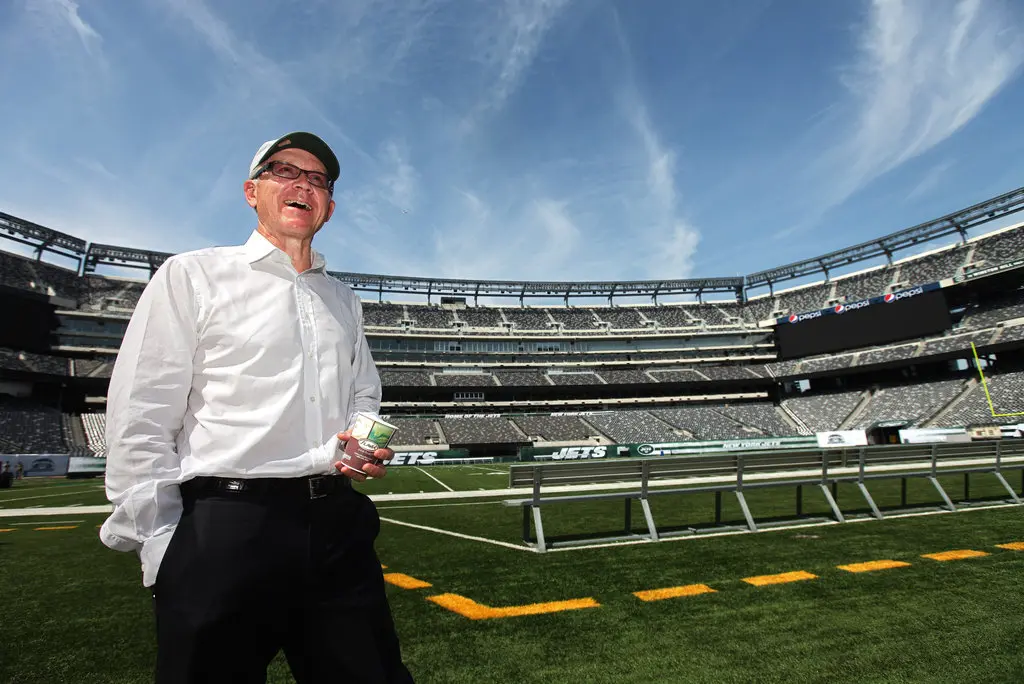
That side of Johnson’s record is unimpeachable: the Jets’ valuation has soared precisely because of his knack for marketing, corporate partnerships, and maximizing matchday and broadcast revenue.
But as any Jets supporter will tell you, success off the field does not automatically translate to stability on it. Johnson’s history of volatile management decisions and hair-trigger impatience has created endless churn in coaching staff and front office leadership. For Palace, who have just enjoyed their most successful season ever and look to build on that progress, the prospect of similar turbulence is a real cause for anxiety.
A Tale of Two Halves: Boardroom Brilliance, Touchline Turbulence
So, what can Palace supporters expect? Possibly the best and worst of both worlds. On one side, they are gaining an owner with a proven track record of growing asset value, brokering lucrative sponsorships, and modernizing infrastructure. On the other, they are inviting a leader whose football track record has been synonymous with unmet potential and instability.
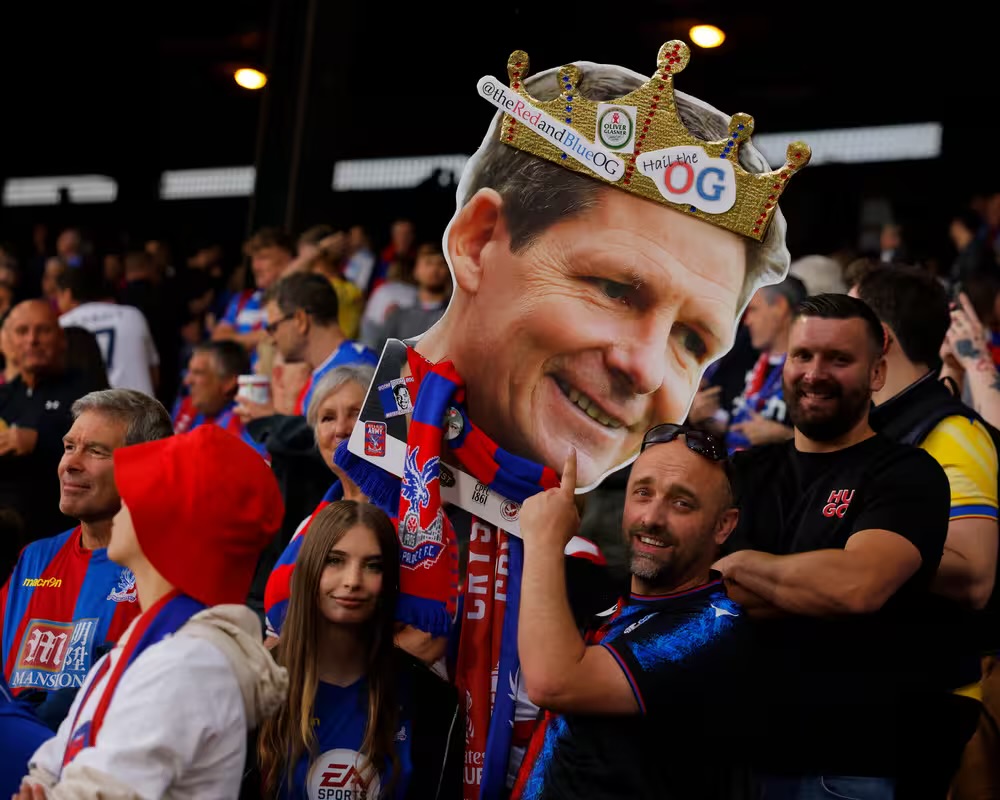
In short, Johnson represents a paradox: an executive whose business acumen could vault Crystal Palace into new financial territory but whose sporting instincts have often derailed progress.
As UEFA’s financial control body prepares to render its final verdict by the end of June, the mood around Selhurst Park is equal parts hope and apprehension. Whether Woody Johnson becomes the catalyst for a Palace golden era or the architect of fresh turmoil will be one of the most intriguing storylines in European football this year.
Final Thoughts
From the FA Cup parade to UEFA paperwork, Palace fans have been through every emotion this summer. Now they wait—not for a new signing, but for a UEFA ruling.
Woody Johnson could be the boost Palace needs to go full European or the spark that ignites Premier League chaos.
Either way, this is the most “American takeover” drama since Ted Lasso.
Stay tuned, Eagles—your club just got a little wilder.