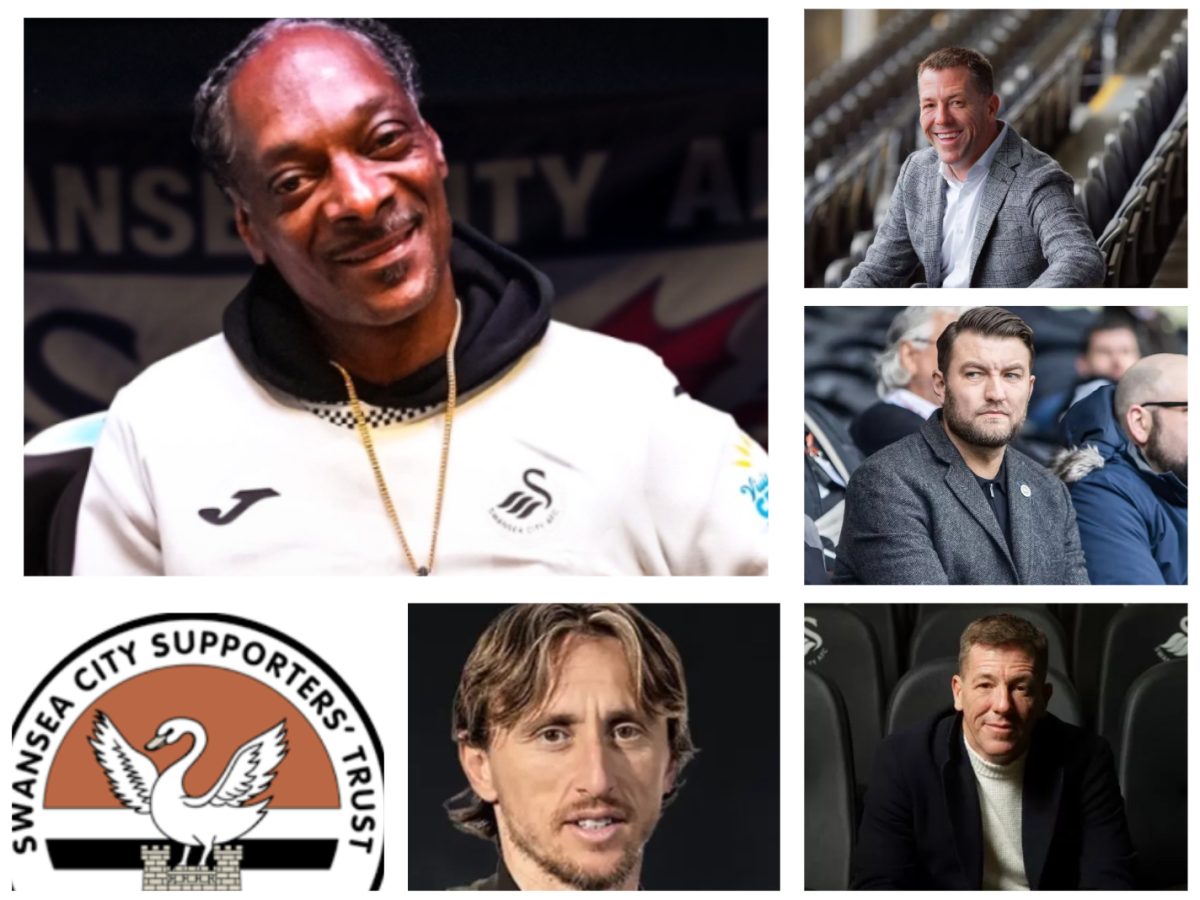
While the headlines were dominated by Snoop Dogg’s high-profile arrival at Swansea City FC’s ownership group, which was recently announced on the 17th of July, his entry marks just one part of a larger shift that’s been unfolding quietly behind the scenes.
Over the past year and even before, Swansea City’s ownership structure has undergone significant changes, bringing in new investors with varying backgrounds, from tech and private equity to football royalty.
Here’s a full breakdown of the club’s past owners and who’s running the club as of now.
Swansea City Ownership: The Full Picture
In 2016, Jason Levien and Steve Kaplan, as reported by the BBC, both seasoned U.S. sports executives, acquired around 60% of Swansea City for roughly £100–110 million, stepping in as majority owners while the club was still in the Premier League.
Levien was well-known as chairman and CEO of MLS side D.C. United, and Kaplan was a minority owner of the NBA’s Memphis Grizzlies, co-founding Oaktree Capital in Los Angeles.
Their stated goal at the time was clear: to leverage American sports management principles, marketing, analytics, and commercial growth at Swansea.
However, their tenure quickly became controversial and strained. Early decisions—like appointing Bob Bradley as manager—backfired; Bradley lasted only 85 days before being dismissed.
The club was relegated from the Premier League in 2018, prompting fan frustration, boardroom tension with the Supporters’ Trust, and a loss of the possession‑based football style that Swansea had once championed.
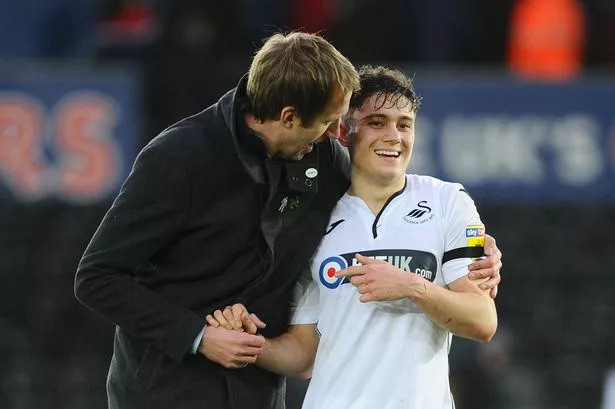
But frustration returned as investment lagged and managerial exits (e.g., Steve Cooper and Russell Martin) left fans questioning the owners’ commitment.
Often, supporters argued that Levien and Kaplan provided short‑term loans just to stay afloat, never consistent investments in the squad or infrastructure.
As reported by the BBC again by November 2024, it became clear their reign was ending.
A new consortium composed of Andy Coleman, Brett Cravatt, Nigel Morris, and Jason Cohen completed the purchase of Levien and Kaplan’s stake, injecting over £20 million into the club and promising a fresh, more engaged, and financially sustainable chapter.
Meet the Key Figures Today
At the center of this structure is Andy Coleman, who became Swansea’s chairman in late 2024.
A seasoned businessman, Coleman played a pivotal role in organizing the American consortium that now owns a majority stake in the club.
His vision for Swansea focuses on sustainability, infrastructure investment, and restoring the club’s footballing identity after a turbulent few years post-Premier League relegation.
Alongside him is Brett Cravatt, a private equity and tech investor with a background in scaling mid-size enterprises.
Cravatt is known for his ability to optimize operations and balance budgets, and his presence ensures that the new regime is not just about celebrity association but about applying Silicon Valley-like efficiency to a football club that was earlier operating on traditional methods.
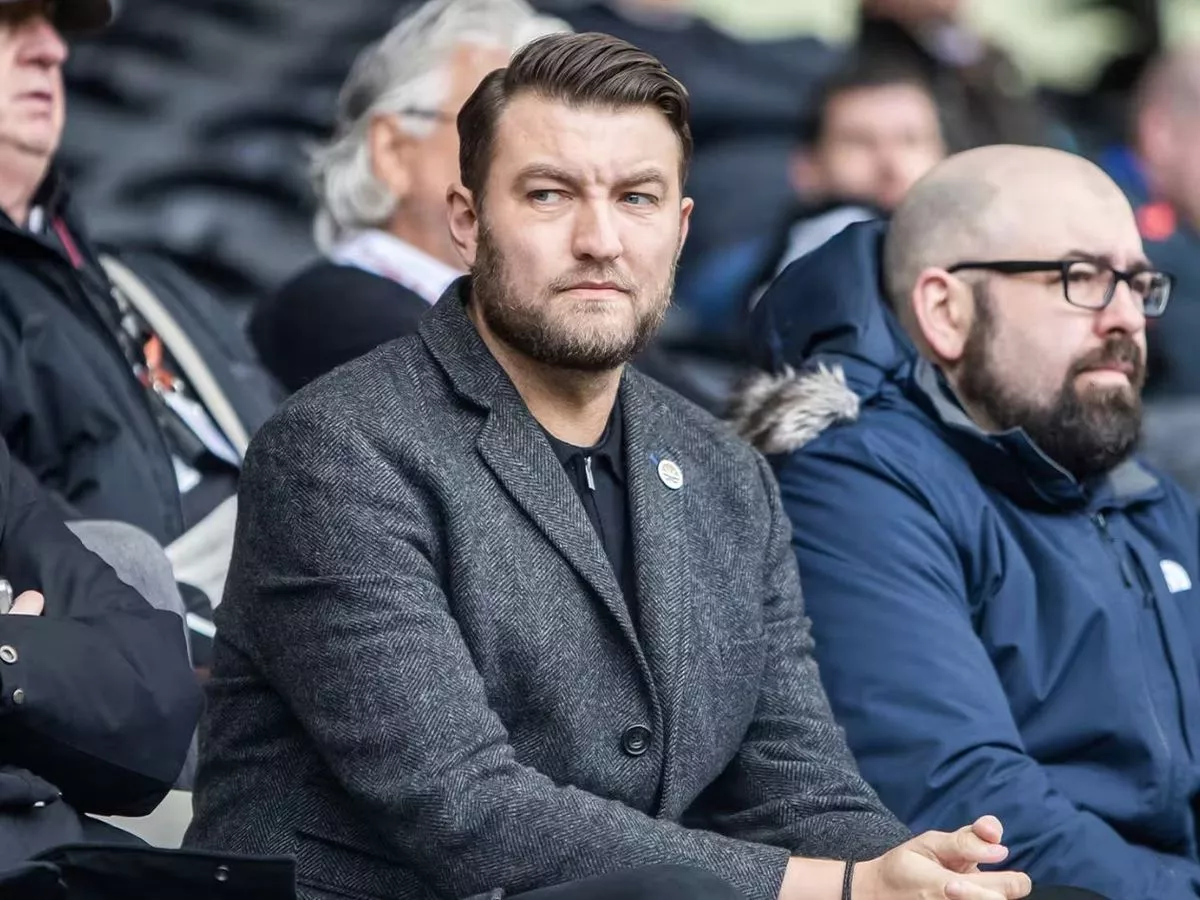
Another significant name is Jason Cohen, an entrepreneur and investor with a background in sports-tech and fan engagement platforms.
Cohen is expected to play a key role in Swansea’s transition into the digital era, including enhancing analytics, social media strategies, and commercial revenues.
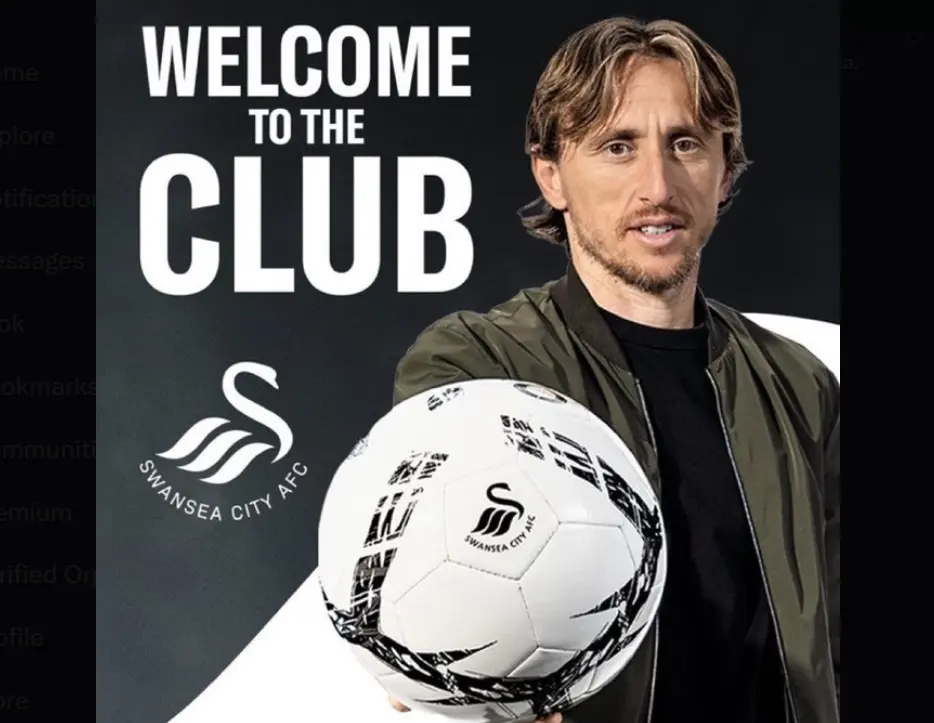
And then there’s Luka Modrić, the Croatian legend and Ballon d’Or winner, who joined the consortium as a minority shareholder in April 2025.
Modrić’s stake is believed to be similar in scale to other recent celebrity investors, roughly comparable to a 3.3% stake, akin to Tom Brady’s involvement with Birmingham City.
Finally, we have The Swansea City Supporters Society Ltd, which has a stake of 7.59%.
They are often referred to as the Supporters’ Trust and are a registered fan organization formed in 2001 to safeguard the club during a period of financial threat and transition.
Its founding mission was to provide fans with a stake in Swansea City and ensure they had a direct voice in the club’s running and strategic decisions.
It is important to note that while Modrić’s stake may not be dominant in numbers like the other owners, his involvement brings football credibility and global clout.
It’s not just a vanity stake; Modrić reportedly aims to support youth development initiatives and has already spoken about helping Swansea attract elite training staff and young talent from across Europe.
With Snoop Dogg entering the fold now, this ownership group becomes one of the most eclectic and potentially powerful in modern football, combining American finance, European football wisdom, and global cultural capital.
The combination of business acumen, football pedigree, and celebrity backing signals a new era for Swansea, one that could reshape its long-term strategy both on and off the pitch.
For now, all eyes will be on how this diverse ownership group translates its vision into tangible progress, especially as the club aims to re-establish itself as a serious contender in English football.