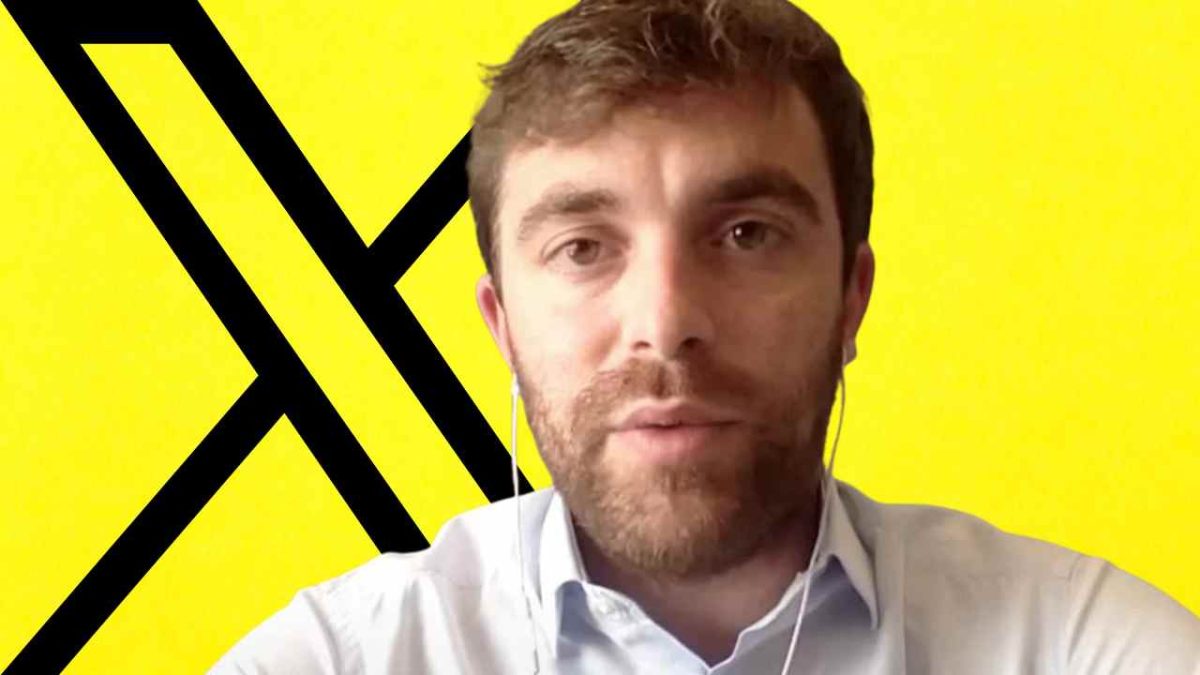
Fabrizio Romano is one of the most influential names in football media.
The Italian journalist has built his reputation on breaking transfer news, confirming major deals before official announcements and turning his trademark phrase “Here we go” into part of football culture.
For millions of fans, Romano’s X account is treated like a live transfer wire, where rumours either gain credibility or disappear.
His reach has made him more than just a reporter. Clubs, players, agents and fans all pay attention to what he posts.
During transfer windows, a single Romano update can dominate timelines, spark debate and shape how supporters understand a developing story.
That level of influence has also turned his personal brand into a commercial machine. Romano has openly done paid and sponsored work before.
His brand has been tied to sponsor partnerships, commercial content and merchandise, while Betway Scores announced him as its first global ambassador in 2025.
He also faced criticism in 2026 after posting a sponsored video promoting Saudi Arabia’s KSRelief, which reports said carried a clear ad label but still raised questions about journalistic credibility.
One of his recent posts has now reminded fans again about why Fabrizio was criticised for ads.
Romano shared an update about a new football agency project, presenting it in the style of a major industry announcement.
The post used polished language, named several well-known players and ended with his famous “Here we go”, which made it stand out even more to fans who usually associate that phrase with major transfer confirmations.
🚨 Official: new leading agency into football world has born — Gersh.
— Fabrizio Romano (@FabrizioRomano) May 28, 2026
Leading agencies in Mainland Europe, You First, and the UK-based PLG, will now operate under the Gersh brand, creating a global football powerhouse. Tyler Alexander-Arnold will become Head of the UK division.…
The agency in question was Gersh.
Romano wrote that a “new leading agency” had been born in the football world, with You First in mainland Europe and UK-based PLG now operating under the Gersh brand.
He described the move as creating a “global football powerhouse” and added that Tyler Alexander-Arnold would become Head of the UK division.
The post also listed several high-profile players now connected to Gersh, including Trent Alexander-Arnold, Fabián Ruiz, Alexia Putellas, Andrew Robertson, Jarrod Bowen and Christoph Baumgartner.
For some fans, the wording sounded less like a neutral update and more like promotional copy.
Romano has around 27 million followers on X, meaning one paid promotion on his account could realistically generate $25,000 to $50,000 with a single post, depending on the brand, campaign and whether it is bundled with posts on Instagram, TikTok or YouTube.
You forgot to add “paid advertisement”
— JP (@JamesDeluded) May 28, 2026
You need to add paid promotion buddy
— Alex (@xAlexTHFC) May 28, 2026
Under X’s paid partnership rules, creators must disclose posts when they are compensated or incentivised by a third party to promote a product, service or brand.
That can include direct payment, gifts, commissions, commercial agreements or similar benefits.
For organic posts, X says users should turn on the platform’s “Paid Partnership” disclosure setting when the content is part of a commercial arrangement.
Could people be banned for failing to disclose paid content? Potentially, yes.
X can take enforcement action for paid partnership violations, including requiring post removal, limiting account features or suspending accounts in serious or repeated cases.
A single disputed post would not automatically lead to a ban, especially without proof that it was paid, however, repeated posts could lead to a potential ban.
Fans complained about this as Fabrizio has been posting undisclosed promotional content for quite some time now.
How does this guy get away with not putting ‘paid partnerships’ on his posts btw? https://t.co/JiQL6sDqtp
— E (@Ellis_) May 28, 2026
So could Fabrizio Romano be banned from X over this? In theory, yes, because no account is above the platform’s rules.
In practice, X would need to determine that the Gersh post was actually paid promotional content, that the required disclosure was missing and that the violation justified serious action.
Romano’s huge reach may also make the situation more complicated.
His posts attract major engagement every day, and accounts of that size are valuable to any social media platform. While X’s rules still apply to high-profile users, banning an account with that level of traffic would be a major step.
Romano also personally responded to the criticism by rejecting the idea that the post was a hidden advert.
He wrote, “It’s an official statement from the agency mate, not difficult. You’ll see it everywhere today. Do better 😃”
it’s an official statement from the agency mate, not difficult. You’ll see it everywhere today. Do better 😃 https://t.co/C3fdPPmluY
— Fabrizio Romano (@FabrizioRomano) May 28, 2026
His defence was that the information came from an official agency statement and was therefore a legitimate football business update, not a hidden advert.
Fabrizio also quoted a tweet from another famous journalist, Ben Jacobs, mentioning that the official launch is being posted everywhere.
Still, the criticism has not completely gone away. There is currently no public proof that Romano was paid for the Gersh post, so it cannot be stated as an undisclosed advert without evidence of payment, a commercial agreement or another incentive. But the debate shows why presentation matters for accounts with huge influence.
Romano is not just another football account, his posts carry the weight of a news alert, and his “Here we go” brand gives even business announcements extra visibility.
When language from an “official statement” sounds like marketing copy, fans are more likely to question where reporting ends and promotion begins.
Romano may not face any action from X, and there is no proof that he broke the platform’s paid partnership rules.
But for a journalist whose power is built on trust, even the perception of blurred lines between news and advertising can become a problem.