Amid rigid accreditation rules and tightening visa restrictions, a famous sports photographer is transforming the group stage matches of the 2026 FIFA World Cup into a modern art movement.
This raw, new aesthetic is rapidly catching the public’s eye thanks to viral Instagram posts by French footballer Michael Olise.
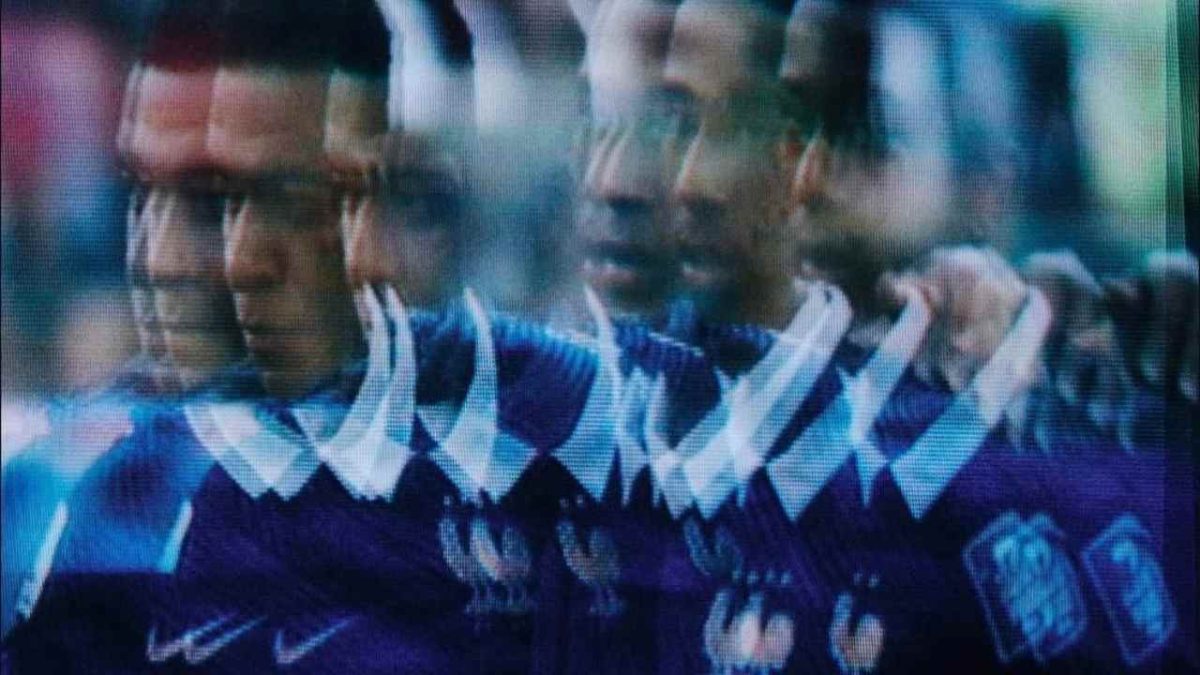
By substituting pristine, corporate, pitch-side photography with grainy, lo-fi television screen captures, the artwork effortlessly stands out from the crowd.
Fascinated by the output, fans worldwide are scrambling to find the real photographer behind the imagery.
The movement began when Parisian sports photographer Florence Pernet—renowned for her high-fashion approach to athletic imagery and editorial football culture—was unexpectedly denied official tournament accreditation by FIFA‘s media committee.
FIFA media accreditation officially recognizes journalists and media professionals as authorized reporters, granting them stadium access and privileges while ensuring professional standards and security.
Because the process prioritizes applicants affiliated with established media organizations, Pernet’s independent status and lack of a formal media outlet during the application period ultimately limited her eligibility.
Refusing to be sidelined by a corporate bottleneck, Pernet completely reimagined the boundaries of sports journalism from the comfort of her own home.
Turning her apartment into a dark studio, she blocked out her windows, mounted her professional camera rig onto a tripod, and pointed her lens directly at her television screen.
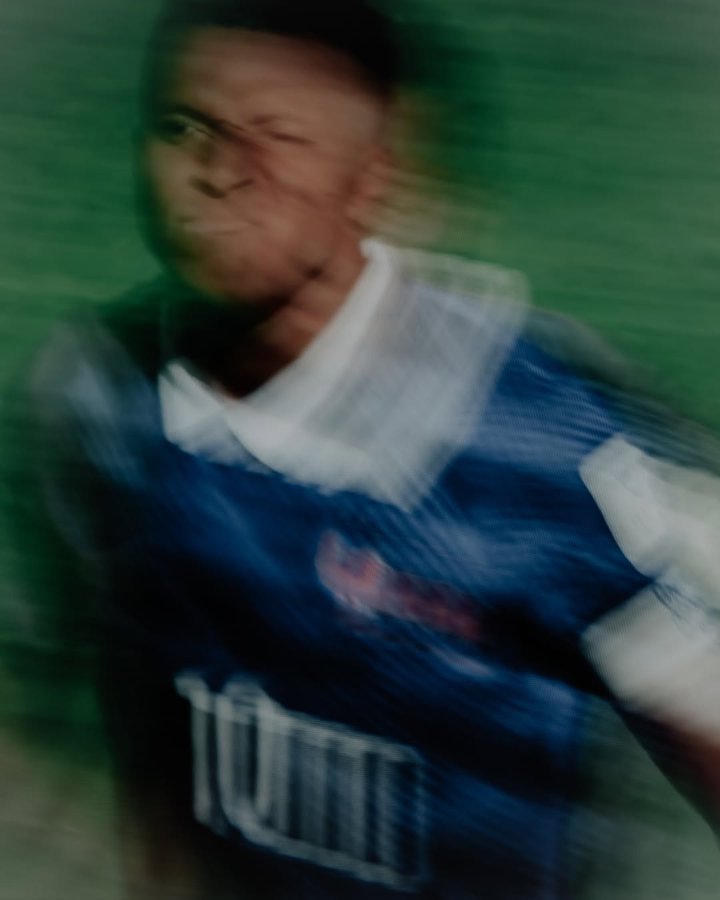
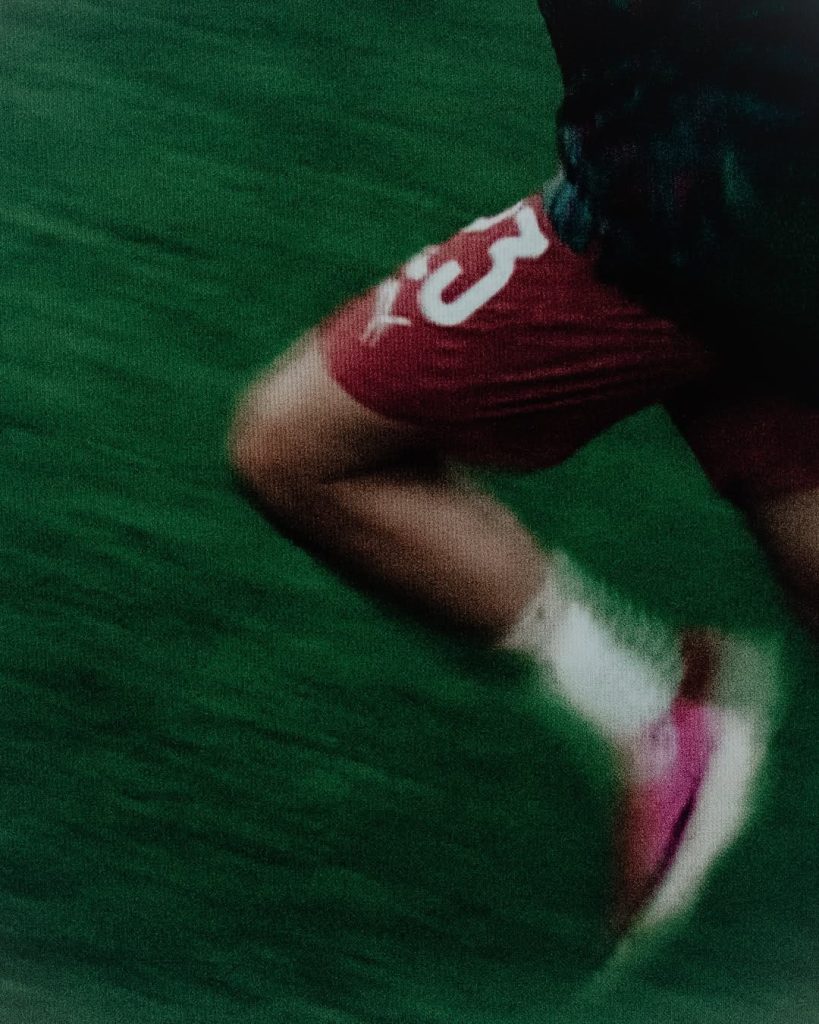
She drew heavy inspiration from the legendary Belgian photographer Harry Gruyaert, who famously photographed the 1972 Munich Olympic Games directly from a television set to distort reality and prioritize color over crisp realism.
By experimenting with manual shutter speeds, Pernet intentionally froze the broadcast’s physical scan lines, embracing the natural screen flicker, heavy motion blur, and intense color saturation of the display.
The result is the masterpiece we see today: an impressionistic, nostalgic, and deeply texture-rich aesthetic that trades standard modern 4K digital perfection for the nostalgic texture of a 1990s video game.
As this unfolded, France national team winger Michael Olise used his massive global platform to push the style into mainstream pop culture.
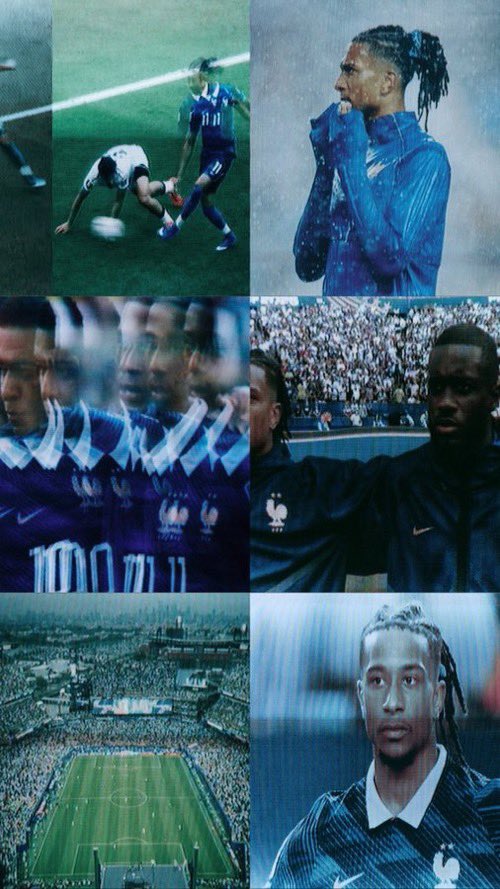
Known for his famously detached, unbothered demeanor, Olise executed a brilliant piece of digital performance art just as the World Cup kicked off. He wiped his account, deleting years of posts and removing his club affiliation from his biography. This sudden blank slate triggered mass panic and rampant transfer speculation across the football world, with media outlets falsely reporting imminent, record-breaking transfer bids for the Bayern Munich star from clubs like Real Madrid.
However, this digital blackout was actually a calculated artistic reset. Working in close collaboration with creative director and photographer Lukas Korschan, Olise began posting Pernet-style, lo-fi television screenshots of himself ahead of his matches.
A similar situation befell Sidy Talla, the Senegal national team’s photographer, who was unable to cover Senegal’s final group-stage match against Iraq after being denied entry into Canada.
Talla had successfully traveled with and documented the squad through their opening group-stage matches across the United States. However, ahead of Senegal’s crucial final fixture, Talla faced a sudden geopolitical barrier when his Canadian visa was denied.
Left alone in an American hotel room while the players and coaching staff flew north, Talla refused to abandon his duties or his passion. He adopted the same screen-capture philosophy, setting up his professional camera gear directly in front of his modest hotel room television.
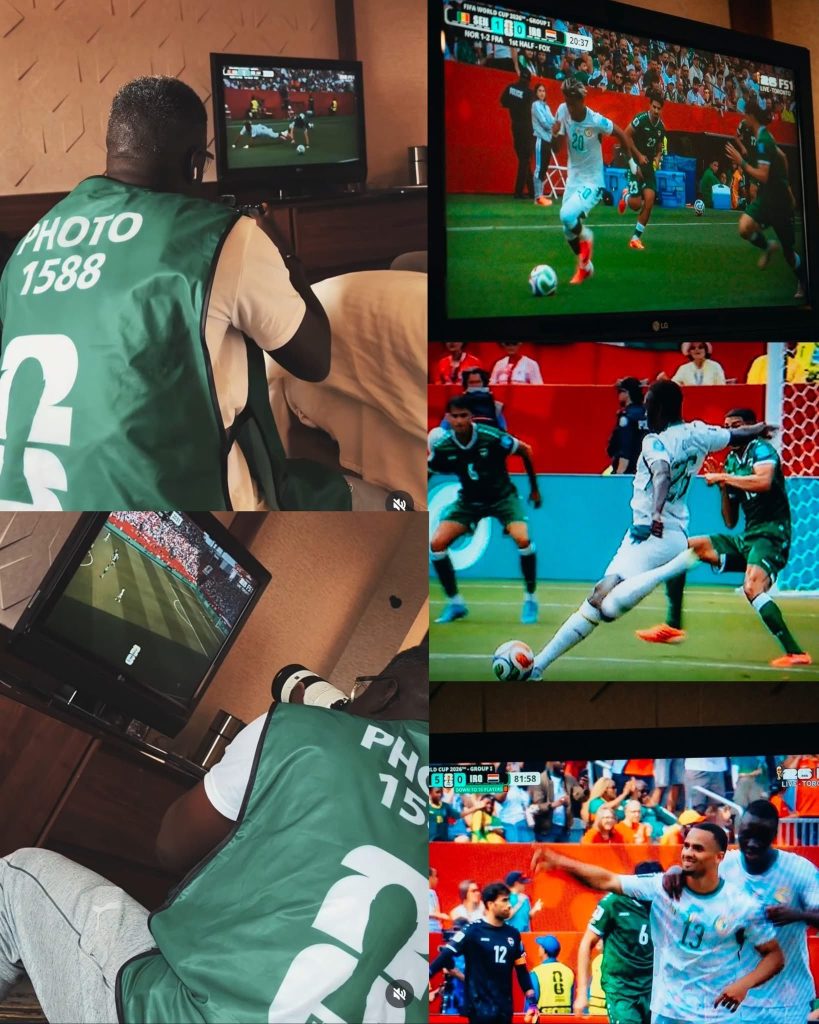
Frame by frame, he tracked the live broadcast through his monitor, using professional lenses to capture the glowing feedback of the screen.
Through his lens, he documented the Lions of Teranga as they thrashed Iraq 5-0, with goals from Habib Diarra (4′), Ismaila Sarr (56′), Pape Gueye (59′, 71′), and Iliman Ndiaye (82′).
Yet, as much as fans love these revolutionary pictures, the movement has faced backlash.
Flor pernet shouldn't get her flower for these kind of pictures. First of all because these kind of images were taken at the last super bowl and also the Olympic games. Second of all, the images are lame and not a form of art. You're literally ripping off someone's work.
— Matthias (@MMatthias_) June 24, 2026
Critics argue that these kinds of pictures are nothing new, with some even accusing the photographers of merely copying or taking pictures of someone else’s broadcasted work.
But much like Michael Olise, many elite athletes and top-tier creatives are turning systemic exclusion into a powerful statement on social media.
The lo-fi movement of the 2026 World Cup has protected and elevated independent sports artists, proving that compelling storytelling does not require a FIFA media pass, an expensive corporate contract, or physical access to a stadium’s media zone.
What began as isolated protests by an unaccredited photographer in Paris and a visa-restricted creative in a US hotel room has expanded into a viral phenomenon, forcing the global sports industry to rethink how it treats independent media.