Born and raised in Croydon, South London, Aaron Wan-Bissaka joined the Crystal Palace academy aged 11. He went on to make his professional debut for the Eagles in February 2018, aged 20. Showing pace, strength, and remarkable defensive solidity, Wan-Bissaka quickly made the right flank his own.
He spent another year and a half with Palace, before earning a big move to Manchester United for a for a hefty £50 million fee.
At Old Trafford, he was the first choice right-back for a number of seasons, earning a reputation as one of the best one-on-one tacklers in world football. He played a pivotal role in ending United’s six-year trophy drought, winning the 2023 EFL Cup and starting in the 2024 FA Cup final victory over Manchester City.
He went on to make 190 appearances in total for the Red Devils, before ultimately being dropped by Erik Ten Hag for Diogo Dalot.
Though he did momentarily regain his place in the team shortly after, he was never truly able to transition into the sort of modern, attack-minded fullback Ten Hag wanted in his team, and Wan-Bissaka moved on to West Ham.
Though his first season was decent, a dismal 2025/26 season saw the Hammers relegated to the Championship, and Wan-Bissaka was on the move again, joining Aston Villa on loan in the summer.
The club announced his arrival via a social media post on Friday.
Spider Wan-Bissaka 👊 pic.twitter.com/AUiTpvrc9r
— Aston Villa (@AstonVilla) August 21, 2026
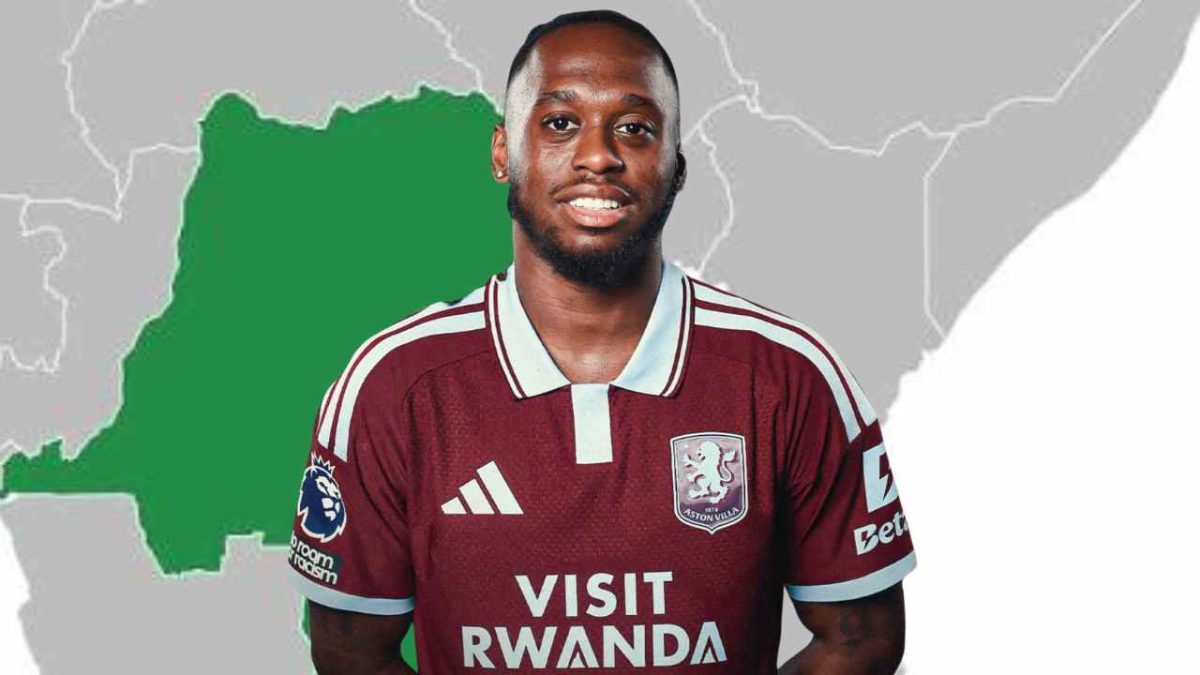
While this a pretty standard player announcement post on first glance, things get a bit awkward when considering Aston Villa’s shirt sponsor, “Visit Rwanda”, and the fact that Aaron Wan-Bissaka is Congolese.
Though he was born in London, both Wan-Bissaka’s parents are of Congolese descent, and the fullback even played for the DR Congo team at the 2026 FIFA World Cup.
Several fans on social media were quick to recognise the irony of the situation.
“Wow! He’s from DR Congo and marketing Rwanda… if you know you know,” a fan wrote.
“The geopolitical banter going on in this picture is insane 🤣😂,” another fan joked.
“How can he wear that shirt with congolese heritage?” another supporter questioned.
Rwanda and the Democratic Republic of Congo have been bitter enemies for 32 years, with tensions and cyclical military conflicts dating back to 1994, when the infamous Rwandan genocide took place.
Back then, many Hutu refugees and forces that were blamed for organising the genocide fled into eastern Congo. The Rwandan government has claimed these forces are still active to this day, and they continue threatening Rwanda’s national security from Congolese territory.
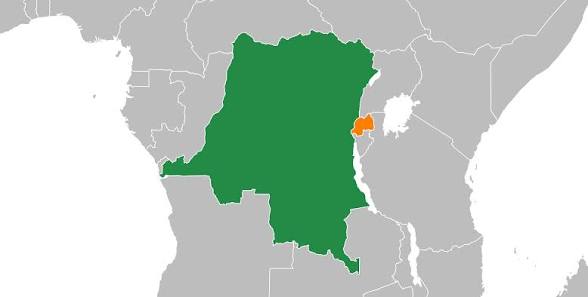
In an effort to neutralise these threats, Rwanda’s army has often moved into Congolese territory, and the Congolese army have retaliated, leading to tension between both nations.
The long-standing issue is that Rwanda sees eastern Congo partly through the lens of the 1994 genocide and its aftermath, and it continues striving to prevent hostile armed groups from operating next door.
The Democratic Republic of Congo, on the other hand, sees Rwanda’s intervention as a violation of its sovereignty. The Congolese government claims their neighbours are using security concerns as justification for supporting a proxy army, occupying Congolese territory and benefiting from Congo’s resources.
Tensions have been de-escalated of late, as both nations have agreed to a fragile peace/ceasefire of sorts. Diplomatic efforts to stop the violence once and for all are underway, but a definitive solution is yet to be reached.