Christian Pulisic has long been one of the faces of American soccer.
From his teenage breakthrough at Borussia Dortmund to his Premier League spell with Chelsea and his later success with AC Milan, Pulisic has carried the weight of expectation for both club and country.
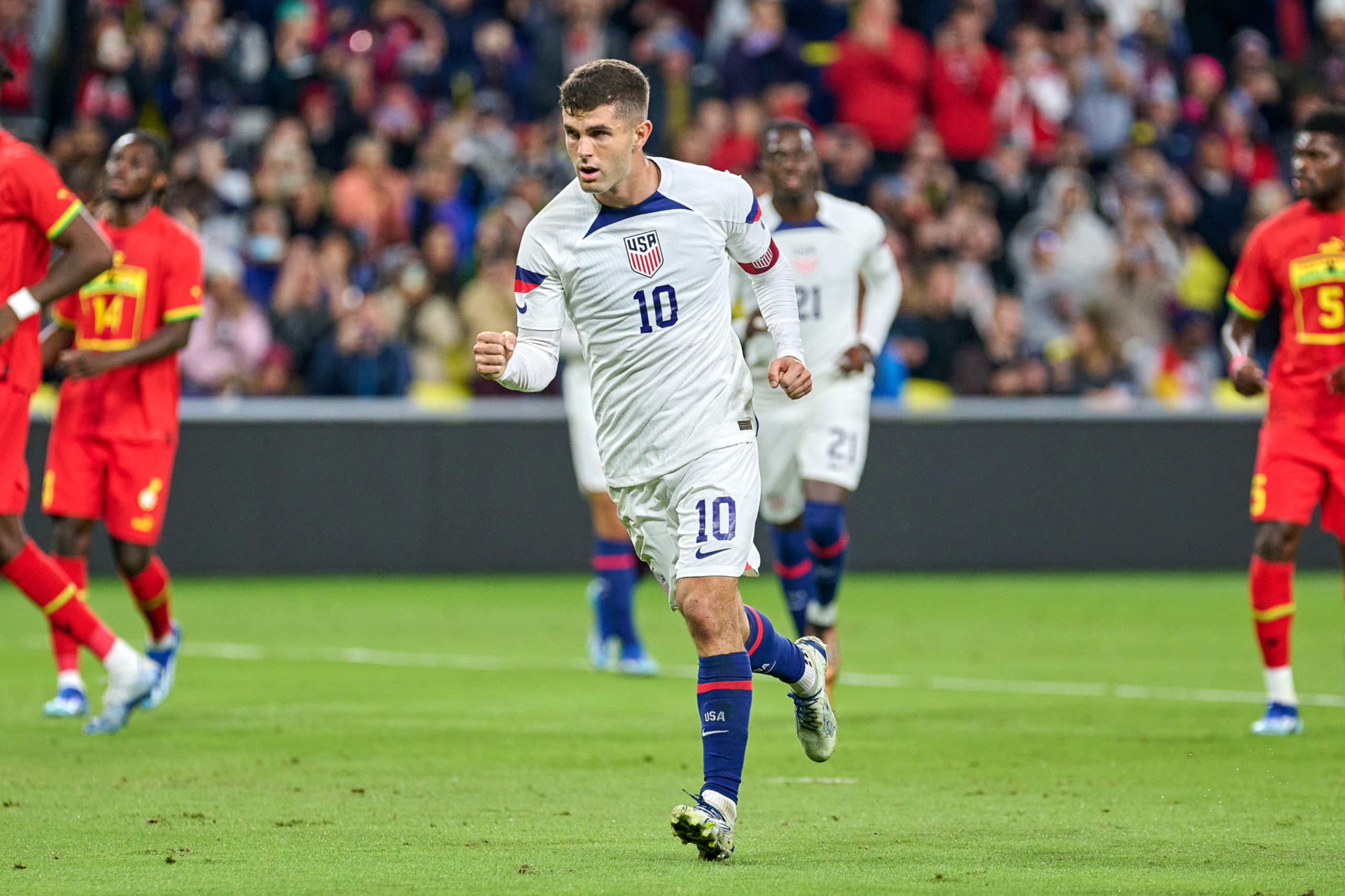
For the U.S. Men’s National Team, he has often been the player fans look to in big moments: the attacker expected to create, score and lead.
That role was on display again as the USMNT faced Senegal in a World Cup warm-up match in Charlotte.
The United States won 3-2 in what was the first-ever meeting between the two nations, with goals from Sergino Dest, Pulisic and Folarin Balogun.
Pulisic played a central role, assisting Dest’s opener in the seventh minute before scoring himself in the 20th.
Senegal fought back through Sadio Mane, who scored twice, but Balogun’s second-half goal sealed the win for the Americans.
However, after the final whistle, attention shifted away from the scoreline and toward a brief handshake clip that spread quickly on social media.
IL MIO CAPITANO pic.twitter.com/JiKlYXEjtR
— EROS BORRA (@3rosBorra) June 1, 2026
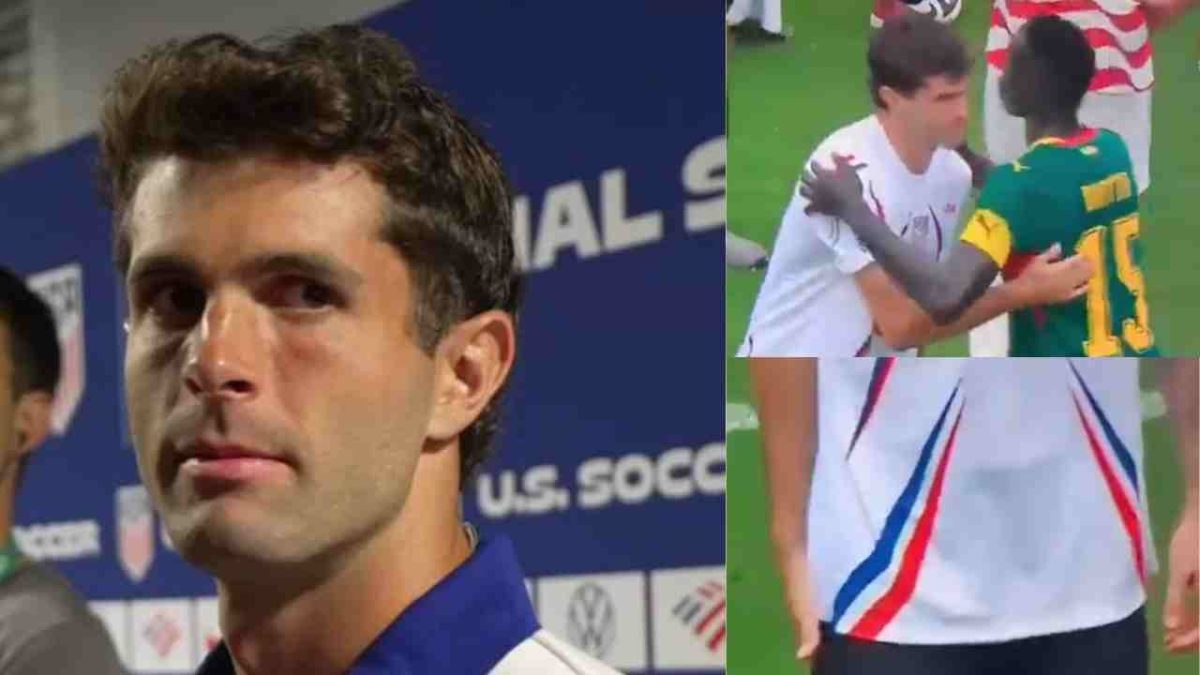
In the video, Pulisic appears to shake hands with Senegal defender Krepin Diatta, who is wearing No. 15, then pats Diatta on the back before rubbing his hand on Diatta’s jersey and shorts immediately afterwards.
The gesture is subtle and lasts only a moment, but the timing of it, directly after shaking Diatta’s hand, led some viewers to interpret it negatively.
The clip sparked controversy online, with some fans accusing Pulisic of being disrespectful and others going further by calling the gesture racist.
The debate also picked up because football has a long-running problem with racism, especially in parts of Europe. Italy, where Pulisic plays for AC Milan, has often been criticised for racist abuse in Serie A, with Black players facing discriminatory chants, gestures and online attacks.
Because of that, some fans were quicker to view the clip through the lens of racism.
What 3 years in Italy does to someone https://t.co/W9VkUVAh48
— (@ErlingRoIe) June 1, 2026
The reason some people viewed it that way was that rubbing his hands immediately after touching a Black Senegalese player appeared to critics as though he were wiping something off or reacting as if the handshake had made his hands dirty.
However, most people viewed it as Pulisic simply wiping off sweat from the jersey.
it was a sweat soaked jersey. don’t bring that disgusting casual european football racism here. https://t.co/4nMRSRxbWD
— ًًً (@_captainpulisic) June 1, 2026
Football is a high-intensity sport, and by the end of a match, players are usually covered in sweat from running, physical duels, shirt-pulling and close contact.
Post-match handshakes happen immediately after the final whistle, before players have had any chance to wipe themselves down or change.
In that context, a player wiping his hands after a handshake can simply be a natural reaction to moisture rather than a deliberate gesture aimed at the opponent.
Many fans defending Pulisic pointed to this, arguing that the moment was being overanalysed because it was isolated from a physically demanding game.
Fans also pointed out that the person thinking this was racially motivated would have to be racist themselves.
How racist do you have to be to not realise that a footballers hand is probably sweaty after a 90 minute game https://t.co/ix8qGXEdDP
— Out of Context Football Manager (@nocontextfm1) June 1, 2026
Still, because the hand rub came immediately after Pulisic’s handshake with Diatta, the clip became a flashpoint online.
The same gesture that could be read as a routine reaction to sweat was viewed by others as disrespectful because of the timing.
That split in interpretation is what turned a routine post-match interaction into a wider social media controversy.