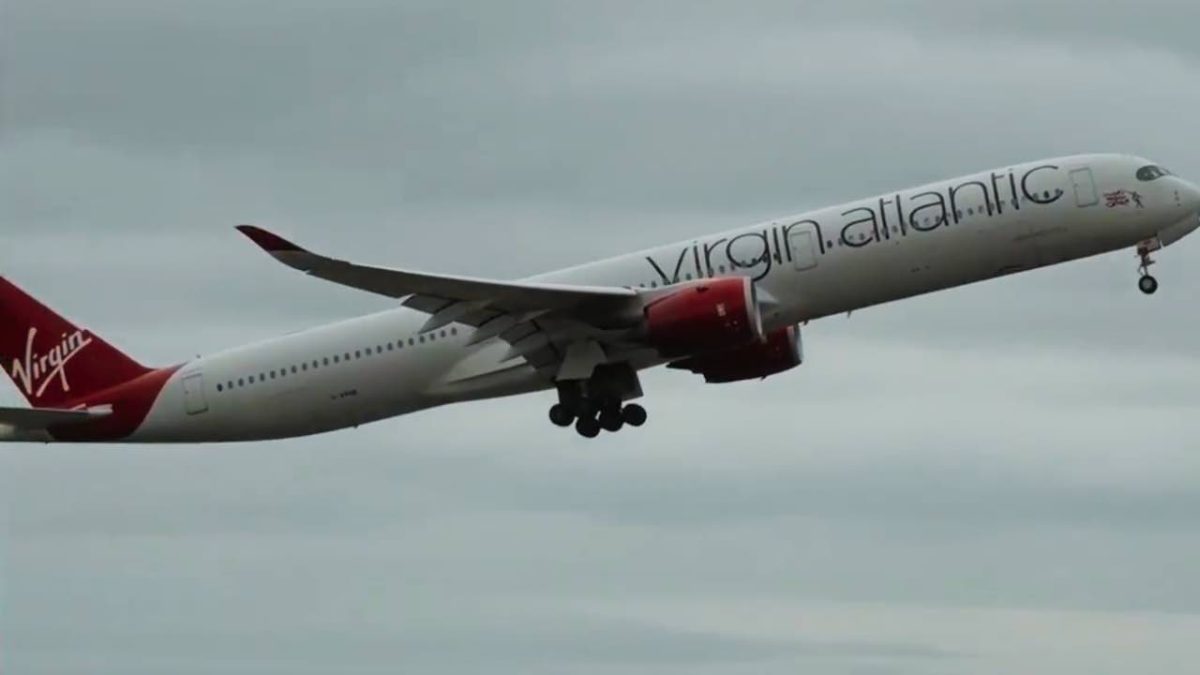
The England national football team recently boarded a chartered flight to Miami, United States.
Led by manager Thomas Tuchel and captain Harry Kane, the Three Lions successfully cruised through a dominant qualification campaign.
The squad left the UK to begin their tournament journey in North America, carrying the massive footballing expectations of an entire nation.

When a prominent national squad travels abroad for a major tournament, onlookers naturally expect them to fly with their country’s traditional state carrier.
In the United Kingdom, that patriotic honour has historically belonged to British Airways.
Instead, the team boarded a brightly branded aircraft belonging to Virgin Atlantic, a fierce and direct commercial rival.
The sight of England’s finest athletes choosing a competitor over the nation’s most famous airline raised eyebrows across social media.
I much prefer flying with Virgin over BA.
— Ted (@WritingTed) June 1, 2026
But there's something wrong about the England football team not using the nation's carrier. https://t.co/PC2v8qmc9s
It brought a quiet, long-standing aviation contradiction into the public spotlight.
To understand why this happened, one must understand the phrase “flag carrier.”
Historically, the term refers to an airline that is legally owned, financially subsidized, and strictly operated by a country’s government.
These entities were originally created to project national prestige, display the home country’s flag globally, and protect state interests abroad.
Many casual observers assumed British Airways was still bound by this national, state-backed duty.
However, the reality of modern commercial aviation is entirely different.
The situation reveals a sharp divide between corporate branding and legal truth.
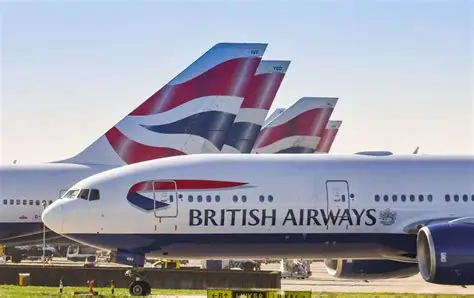
Here is the actual reveal: British Airways officially stopped being a true flag carrier nearly forty years ago.
In February 1987, Margaret Thatcher’s Conservative government fully privatized the airline.
The state floated the company on the London Stock Exchange and permanently cut its financial umbilical cord.
Furthermore, the airline’s purely British corporate identity dissolved in 2011.
British Airways merged with Spain’s historical flag carrier, Iberia, to create the International Airlines Group (IAG).
Today, this parent company is officially registered as a corporate entity in Madrid, Spain.
This means British Airways is legally just a subsidiary brand within a massive, multinational airline holding company.
Yet, British Airways CEO Sean Doyle and the company’s promotional teams still explicitly refer to the airline as the nation’s flag carrier.
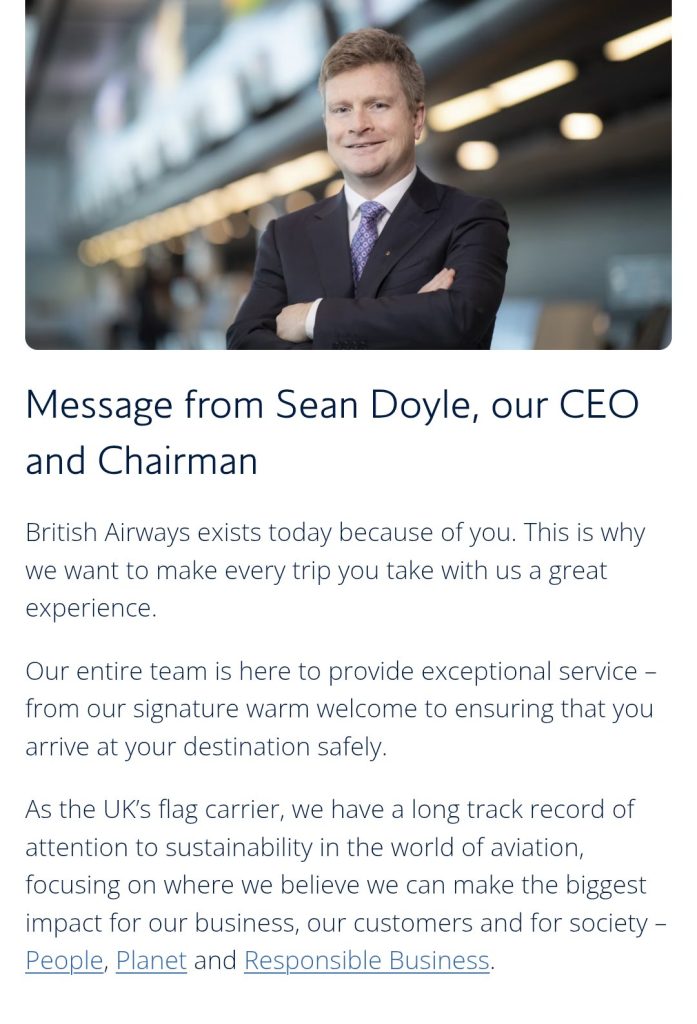
This is because the phrase has completely evolved from a rigid legal status into a highly lucrative marketing tool.
By claiming the historic title, the airline successfully leverages cultural nostalgia.
They use the iconic Union Jack tailfin livery and historic prestige to justify premium ticket prices.
They are effectively selling British heritage and hospitality to global travelers, even though state ownership has long ceased to exist.
Because British Airways is a private commercial entity, it holds no legal or national obligation to transport the football team.
When the Football Association looks to book a tournament flight, the decision comes down to standard corporate partnerships.
Virgin Atlantic simply outbid their rival for the high-profile commercial sponsorship.
The flashy red-and-white carrier positioned itself perfectly to capture the public relations spotlight.
Ultimately, this flight path proves that corporate agility and marketing budgets matter much more than historical titles in modern aviation.