The World Cup has already been a roller-coaster ride that has seen favored teams fall by the wayside and many so-called dark horses determined to write the names of their countries into the World Cup history books. While the group phase always generates compelling storylines, it’s in the knockout rounds that teams and their reputations are truly put to the test.
Players’ errors can define entire careers; one missed opportunity can mean exit, meaning that every side still in the running must quickly accept that there’s no room for error from here on out
Several nations have already distanced themselves from the rest, with France, Brazil, Norway, and Morocco all reaching the Round of 16 in dramatically different circumstances, but with clear potential to go further.
1. France: Clinical Finishing Drives Knockout Momentum
France looked every bit like a side comfortable with tournament football against Sweden. Their 3-0 Round of 32 victory never drifted into chaos because they simply refused to let it.
From the opening stages, they dictated where the game was played and how quickly it moved, leaving Sweden chasing shadows for long stretches rather than creating genuine pressure of their own.
It’s no surprise that FIFA World Cup betting odds continue to reflect France’s growing momentum. Performances like this naturally strengthen confidence around a team that rarely appears rattled when the stakes rise. There was an assurance about everything they did, and that tends to matter just as much as the scoreline itself.
Kylian Mbappé remains the obvious focal point, although reducing France to one player misses the bigger picture. However, it’s worth noting that his movement constantly stretches defensive lines and opens spaces that others exploit. Defenders spend so much energy trying to contain him that someone else inevitably finds room to influence the game.
Then there’s the overall balance of this squad. Didier Deschamps has assembled a team capable of slowing matches down or accelerating them when opportunities appear.
The midfield has helped France stay composed for long stretches, the structure behind the ball has generally held up well, and the attack has taken its chances efficiently. Sweden found that out the hard way, and France walks into the next round looking increasingly comfortable with the pressure that defines World Cup football.
2. Brazil: Samba Flair Returns on the World Stage
Brazil’s meeting with Japan wasn’t the smooth procession many expected. In truth, that probably made the eventual 2-1 victory even more encouraging. Japan stayed organized, defended with real commitment, and never allowed Brazil to settle into the free-flowing rhythm that supporters often associate with the Seleção.
When Japan took the lead, the mood shifted. Knockout matches can become tense remarkably quickly, especially when an underdog begins believing the upset is there for the taking. Brazil could have forced the issue. Instead, they stayed patient, trusted their passing, and kept looking for the opening that eventually arrived.
That patience says a lot about this squad. The technical quality has always been there; nobody questions Brazil’s ability on the ball. What stands out now is the composure. There seems to be a greater willingness to manage difficult moments rather than chase spectacular solutions every time possession reaches the final third.
The winning goal captured much of what makes Brazil so enjoyable to watch: quick movement, intelligent combinations, and sharp finishing. It was the kind of moment senior players like Vinicius Júnior have come to embody in this Brazil side, but the lasting impression was not only the quality of the football itself. It was the calm, controlled response after adversity.
Every team remaining in this competition will face uncomfortable moments. Brazil has already shown it can survive them without losing its identity.
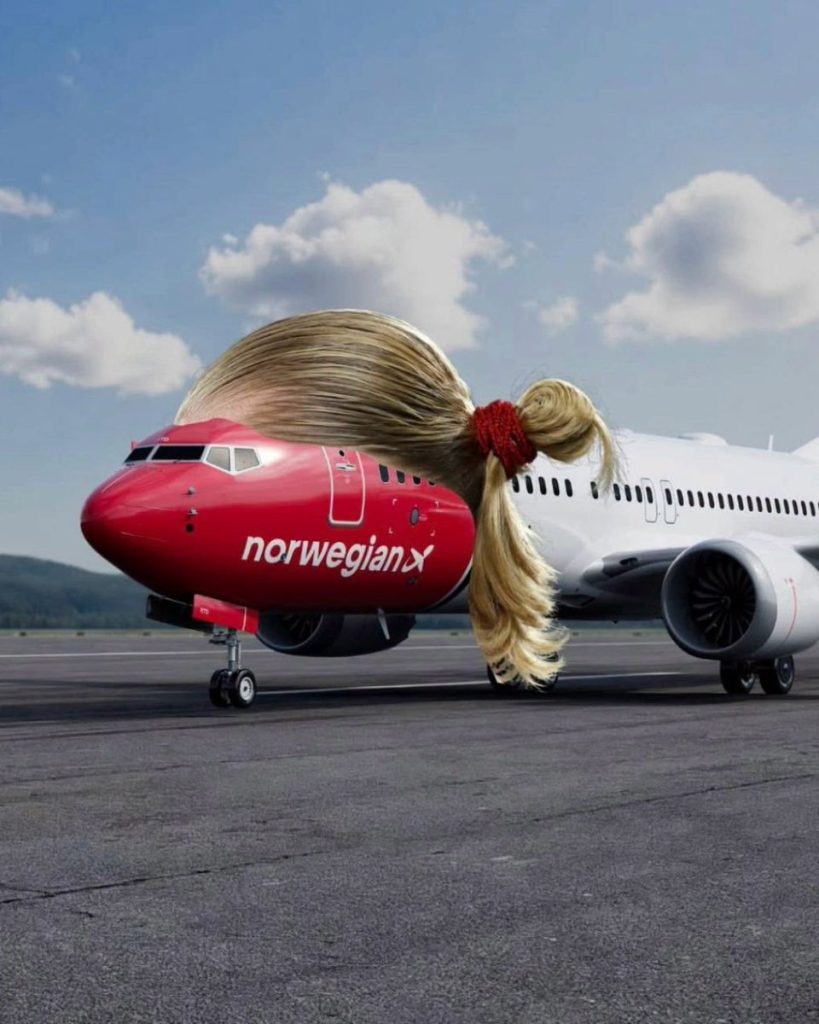
3. Norway: The Tournament’s Most Exciting Underdog Story
Every World Cup produces a team that gradually changes the conversation. Norway has become that side in 2026. What initially looked like an interesting outsider now feels increasingly like a genuine contender capable of causing problems for anyone left in the bracket.
Their 2-1 victory over Côte d’Ivoire demanded far more than attacking flair. The match remained competitive throughout, with momentum swinging often enough to test Norway’s composure. However, they never seemed overwhelmed. There was discipline in their defending and calmness whenever the game threatened to become stretched.
Erling Haaland inevitably commands the spotlight, and for understandable reasons. His physical presence alone changes how opponents defend, while his finishing continues to punish even the smallest lapse in concentration. Still, Norway’s progress isn’t built around one individual, despite what the headlines sometimes suggest.
The defensive shape deserves just as much credit. Midfield players work relentlessly between both boxes, transitions arrive quickly, and everyone appears comfortable carrying out their role without unnecessary complication. Those details don’t always dominate post-match discussion, yet they often decide knockout football.
Norway is beginning to look like a side that understands exactly who it is, which can be a difficult thing for opponents to deal with.
4. Morocco: Penalty Heroics Signal Atlas Lions’ Ambition
Morocco’s Round of 32 meeting with the Netherlands had the unmistakable feel of a match that neither team wanted to lose more than either wanted to win. Space was limited, chances came at a premium, and every defensive action carried genuine importance. It eventually required penalties before separation could be found.
Reaching that point was no accident. Morocco frustrated one of Europe’s strongest sides for long periods through disciplined positioning and collective awareness rather than moments of individual brilliance. The Netherlands had their spells on the ball, but Morocco made them work hard for clear openings.
World Cup insights point out that penalty shootouts often get dismissed as lotteries. Players who have experienced them would probably disagree. They demand composure, preparation, and remarkable emotional control. Morocco demonstrated all three, converting under enormous pressure while carrying a confidence that has steadily grown throughout the tournament.
There’s also a sense that this group has become increasingly comfortable with these occasions. Their memorable run to the semifinals in Qatar wasn’t treated as a one-off achievement inside the camp. Instead, it seems to have become a foundation. Defeating the Netherlands reinforces that belief once again, and belief has a habit of growing once knockout football begins narrowing the field.
The Race Only Gets Tougher
No two knockout victories look exactly alike, and that’s part of what makes this stage of the World Cup so compelling. France continues to combine control with ruthless finishing. Brazil has shown that style and resilience can exist together. Norway keeps rewriting expectations, while Morocco once again proves that tactical discipline and collective belief can unsettle even the strongest opponents.
The road ahead promises to be even tougher. As for these four teams, they’ve made sure of their place in the annals of tournament lore; however, they seem far from done telling their stories, that is, if everything goes according to plan.
Content reflects information available as of 2026/07/01; subject to change.