Unquestionably, professional sports’ terrain is shifting. Although some may be unhappy about the alleged lack of “raw aggression,” a closer examination shows a positive trend toward more player safety and a fresh focus on sportsmanship. These changes reflect a developing sporting culture, not indicators of weakness.
Rule Changes Give Long-Term Health Top Priority
From the NFL’s head injury emphasis to the MLB’s regulations around home plate collisions, recent rule revisions across many leagues show a strong dedication to athlete well-being.
Statements issued by these leagues under official policy stress the need to reduce long-term health hazards. Supported by copious studies and statistics, these developments show a proactive approach to safeguarding the players who commit their lives to the sport.
For example, the NFL’s ongoing improvement of concussion rules—supported by league medical advisers’ data—showcases a commitment to player safety. This development guarantees athletes’ ability to perform at their best and reduces the risks connected with high-impact collisions.
Constant Arguments on Precision Against Passion and Harmony Search
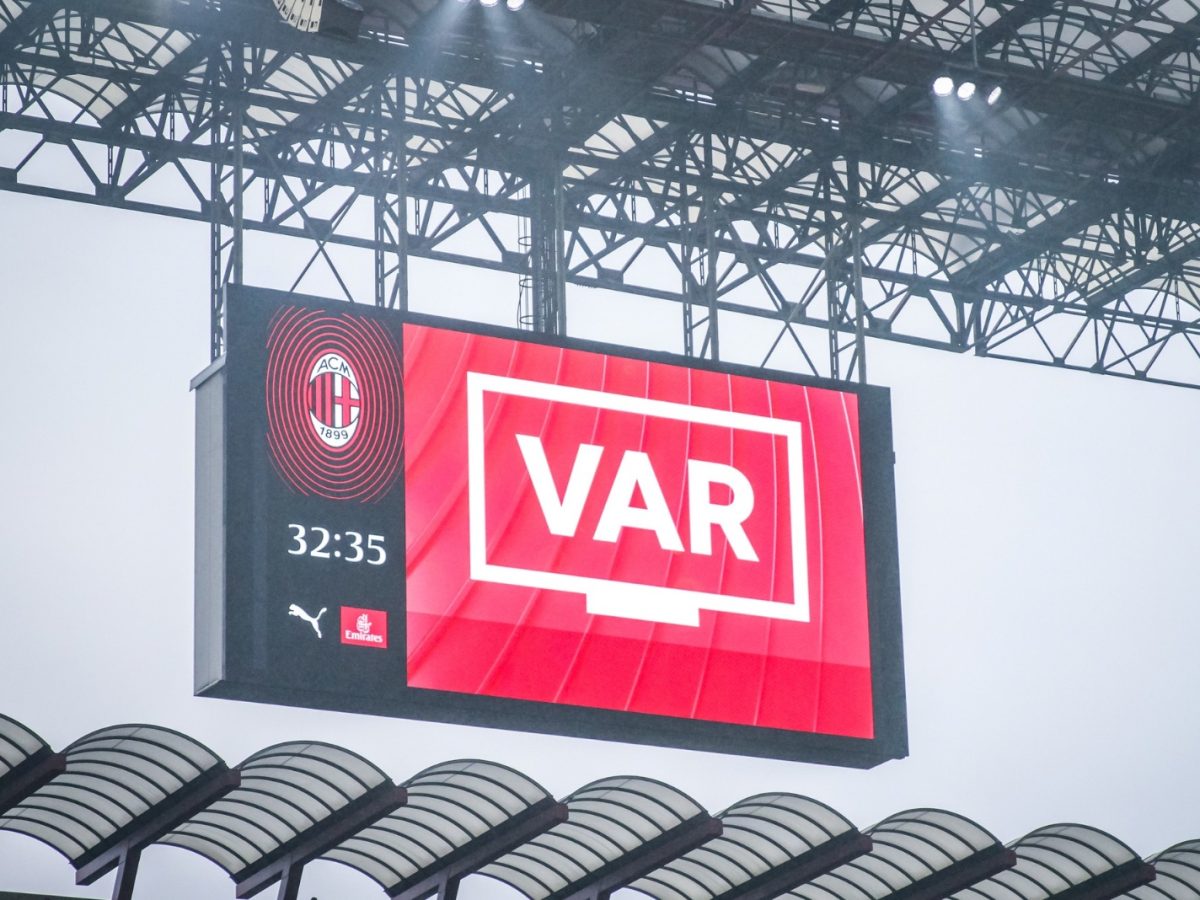
Video Assistant Referee (VAR), a topic of intense debate in 2025, remains ubiquitous in professional football. Although the original promise of the technology was to guarantee justice and eradicate serious mistakes, reality has proved far more complicated and is now under constant debate over the basic character of the game. Recent Premier League and other league games have become battlefields for this technological and philosophical conflict, sparking major debate and demands for change.
The key conflict still is how leagues balance the preservation of football’s natural flow, spontaneity, and emotional intensity with the quest for perfect accuracy made possible by VAR’s exact analysis. The entire core of the sport, its erratic character and the visceral passion it inspires, appears at odds with the clinical accuracy of VAR assessments.
Specifying Appropriate On-Field Behavior
Statistical increases in flagged plays indicate rising enforcement of fines for unsportsmanlike behavior, therefore highlighting a league-wide attempt to control on-field behavior. Two instances of these enforcement actions are the NBA’s technical foul rules and the NFL’s taunting fines.
League messages show a will to uphold professional standards and advance respect among rivals. The aim is to define a clear boundary between undesirable behavior and competitive desire.
Public Image Control and Social Media
Thanks to social networking, athlete interaction now has another dimension. Closely examined, the player’s digital presence—based on public remarks and social media activity—has made measured communication and public image management primary concerns.
This change has also offered fresh opportunities for football betting sites to interact with both players and supporters. Although this well-chosen strategy can limit unfiltered communication, it also provides sportsmen spaces to engage with supporters and donate to charitable causes, usually in collaboration with sponsors.
Post-Game Protocol: Changing Athlete-Media Relations
Press conferences and interviews in particular have seen a change toward more calm and under-control replies in post-game contacts. The growing use of conventional terminology and a decline in clearly emotional outbursts mirror this tendency.
This change in media coverage seeks to keep a professional attitude and reduce possible conflicts. The emphasis is on delivering knowledge rather than heated rhetoric.
The Changing Scene: Meeting Modern Guidelines
The modifications seen in professional sports leagues are a reaction to modern criteria of player safety and behavior. Whether good or bad, these changes point to constant adaptability to changing expectations.
It remains to be seen how these developments will affect the dynamics of professional sports long term. The leagues are actively negotiating a changing environment, juggling modern values with competitive integrity.