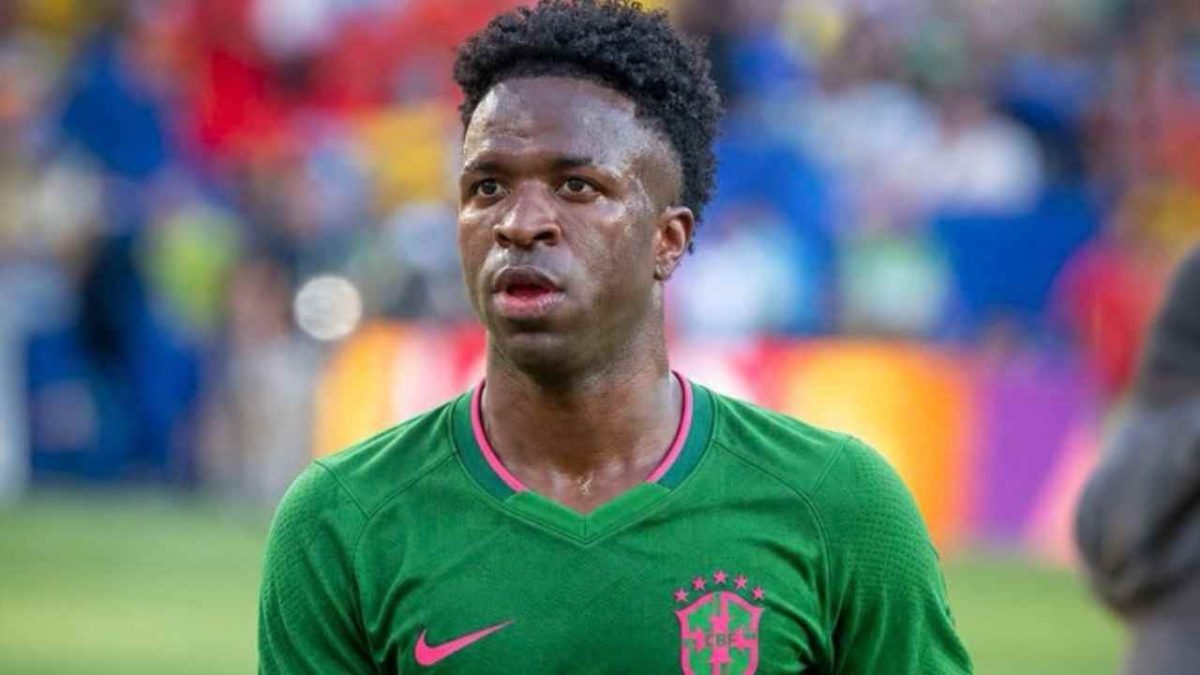
The Brazil National Football Team‘s post-World Cup international break in September 2026 was marked by a dramatic, highly contentious squad overhaul that left global football fans stunned.
Following the previous regime’s highly disappointing 2026 FIFA World Cup Round of 16 elimination against Norway, newly appointed manager Carlo Ancelotti implemented an incredibly massive structural reset aimed specifically at preparing for the upcoming crucial 2030 FIFA World Cup.
Ancelotti aggressively dropped established veterans, retaining only nine players from the previous tournament roster and naming sixteen new faces. The pinnacle of this tactical experimentation came during a deeply frustrating 1-1 friendly draw with Australia in Townsville, where a completely disjointed, unrecognizable Selecao struggled to find any sort of attacking rhythm on a rapidly deteriorating pitch.
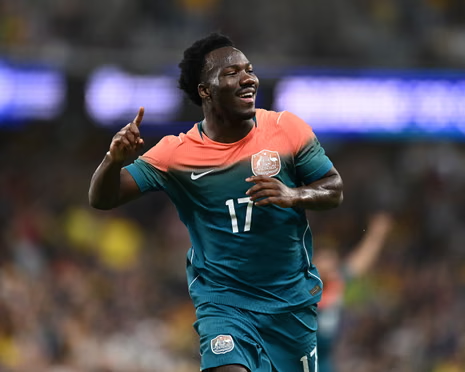
The determined Socceroos took an unexpected 1-0 lead in the 68th minute of the match thanks to a brilliant Nestory Irankunda free-kick, forcing a desperate Brazil to rely heavily on a dramatic 90+5th minute equalizer from teenage substitute Rayan to narrowly avoid a historic and deeply embarrassing defeat.
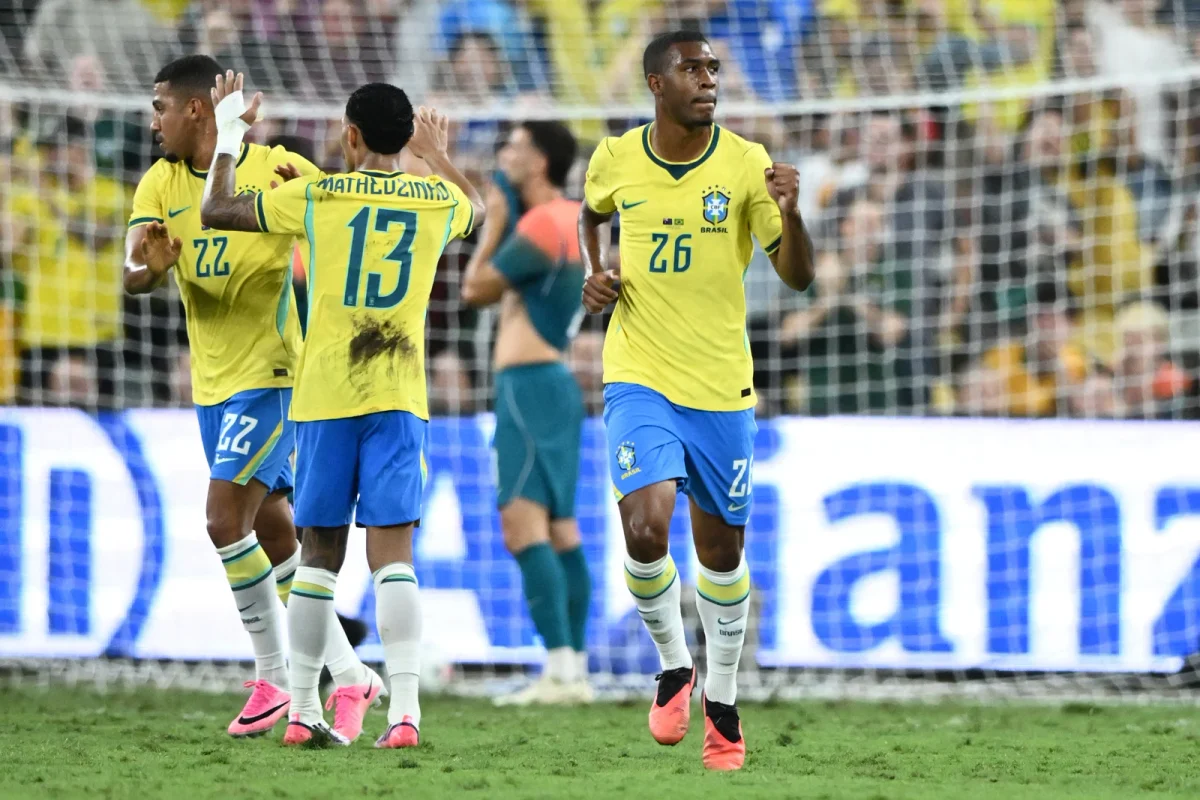
The international window also drew harsh off-pitch criticism from international media after several prominent Brazilian players were caught on camera laughing during the traditional Indigenous Welcome to Country ceremony before kickoff.
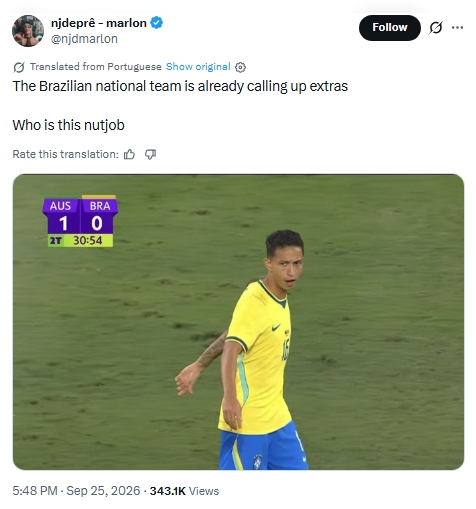
However, many football fans felt confused and surprised by the fact that the Brazil team featured so many new faces. Even some fans asked for help figuring out the player’s name and who he is on social media.
Ancelotti’s radical rebuilding of the iconic South American team was centered on the deliberate introduction of highly dependable, late-blooming club leaders and prominent domestic standouts who had previously been overlooked by national team selectors.
The most shocking inclusion in this category was Mauro Junior, the 27-year-old captain of PSV Eindhoven. Having moved to the Netherlands at the age of fourteen, his European development went unnoticed and unappreciated in his home country.
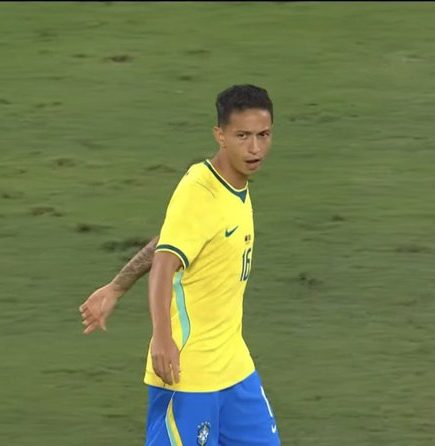
His eventual substitution into the match in the 76th minute, wearing the number sixteen shirt, caused widespread confusion on social media, with thousands of perplexed Selecao fans genuinely wondering who he was.
Casual Brazilian fans on social media were taken aback by his call-up, asking,
Who on earth is Mauro Junior?
His international debut provided massive vindication to a very specific subculture of football fans.
Fan tweets on X clarified that Mauro Jr is from the interior of Sao Paulo, in a city called Palmital, and was raised by Deportivo.
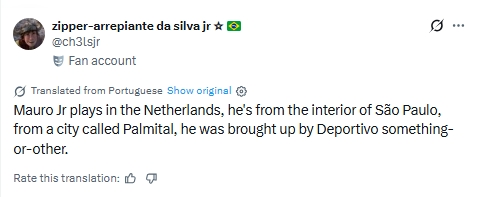
Another tweet read,
Anyone who plays FM knows, trained in the youth academy of Desportivo Brasil, the great Mauro Jr.
Long before he received his first senior cap, he had achieved massive, certified “cult wonderkid” status within the Football Manager (FM) community.
For years, virtual managers relied heavily on his exceptional tactical versatility on the field.
He was born in Palmital, a small city in Sao Paulo with a population of less than 20,000.
Long before moving to the Netherlands at the age of fourteen, he was famously raised and trained in Desportivo Brasil’s youth academy, which has a history of nurturing hidden talents.
After spending his entire professional career isolated in Europe, he hadn’t worn a yellow jersey in six years and was actively considering obtaining Dutch citizenship just before receiving this surprise senior international debut call-up.
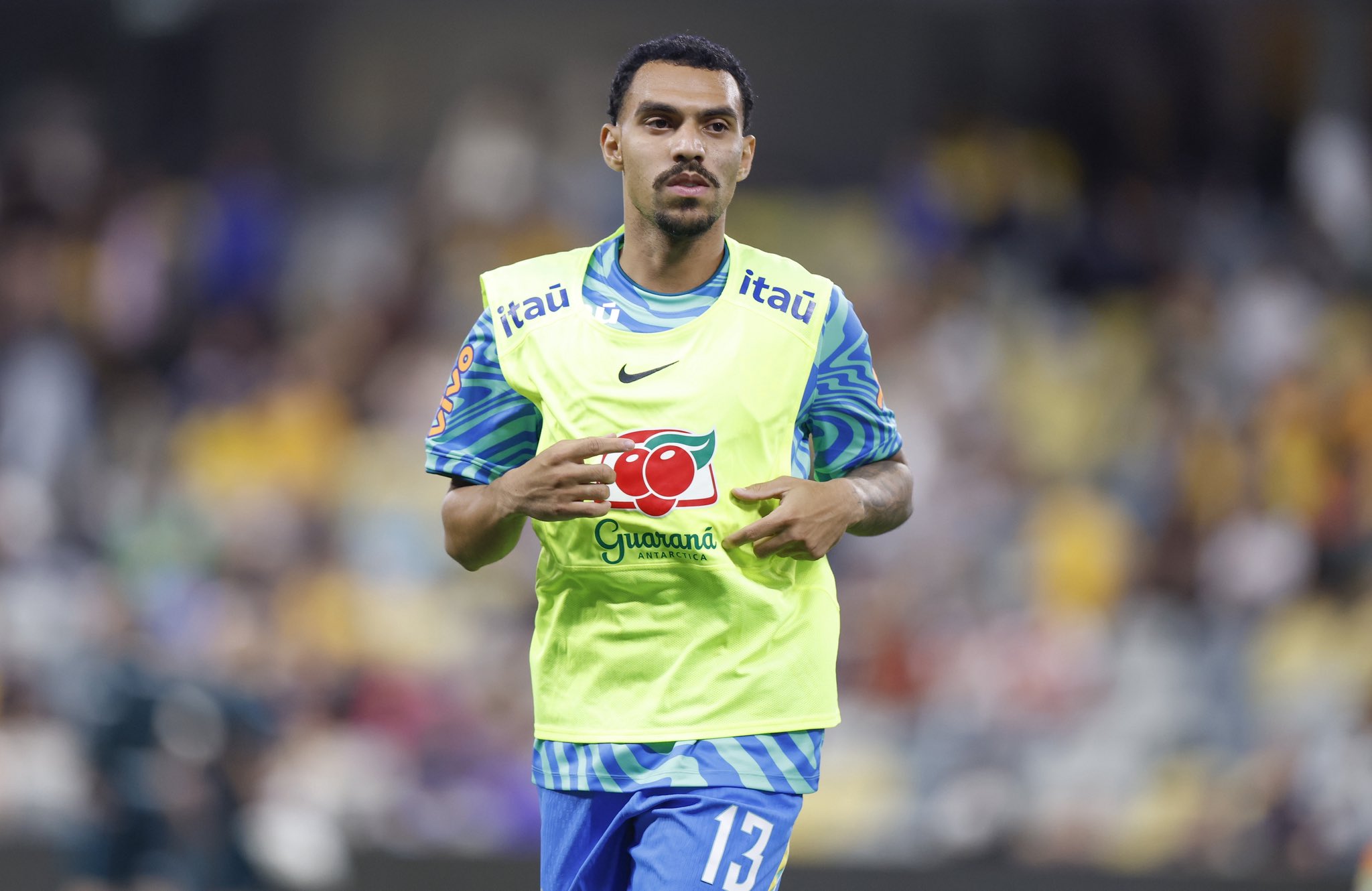
Ancelotti perfectly mirrored this scouting philosophy by bringing in several other low-profile hidden gems with Mauro Junior’s exact professional profile. He gave 26-year-old Corinthians right-back Matheuzinho his long-awaited senior debut, actively prioritizing consistent club performance over historical prestige in order to improve Brazil’s barren defensive flanks.
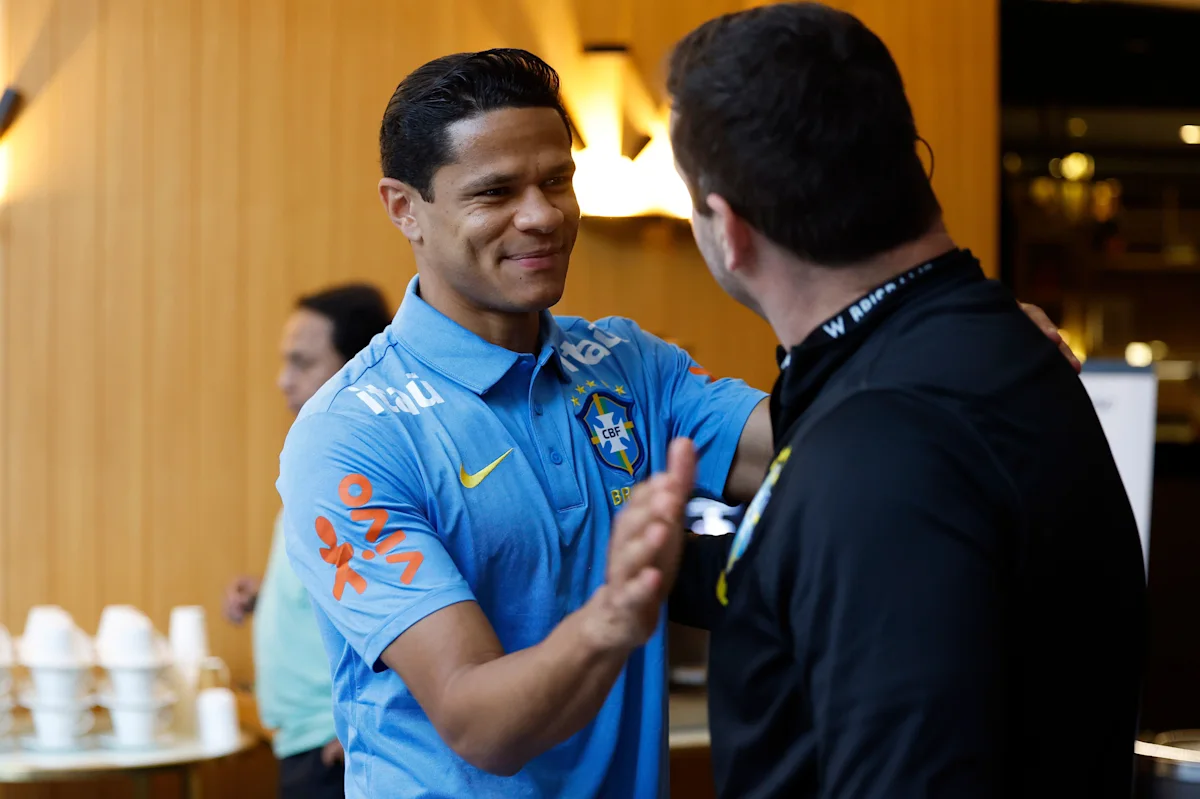
Similarly, Zenit Saint Petersburg captain Douglas Santos, 32, was recalled after a lengthy international absence, starting at left-back before being replaced by Mauro Junior right away.
Domestic utility players Pedro Guilherme and Samuel Lino (Flamengo) were added to a completely revamped squad.
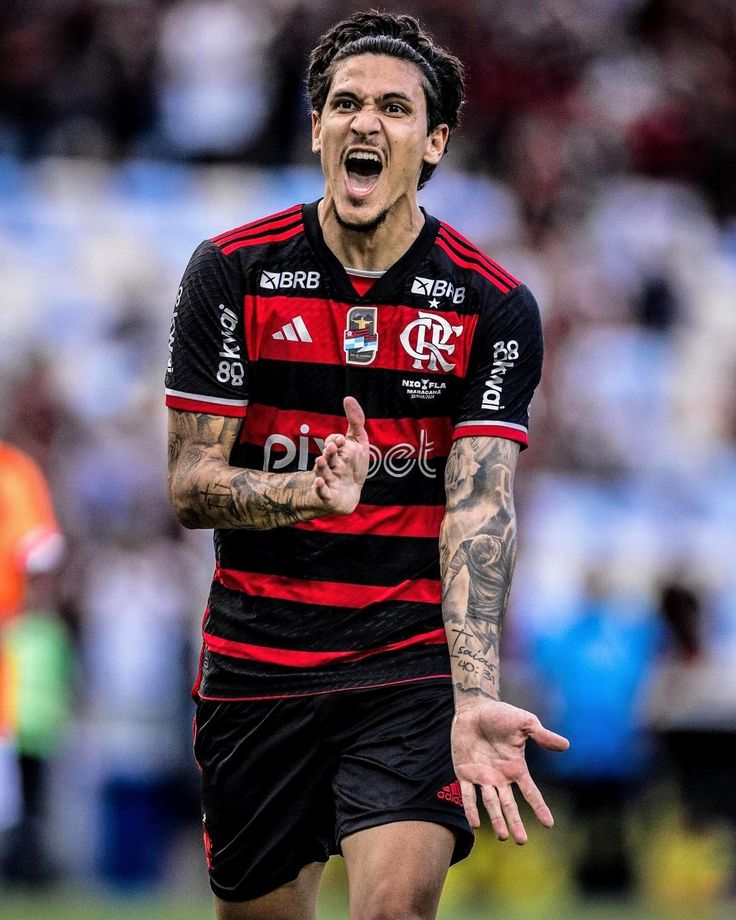
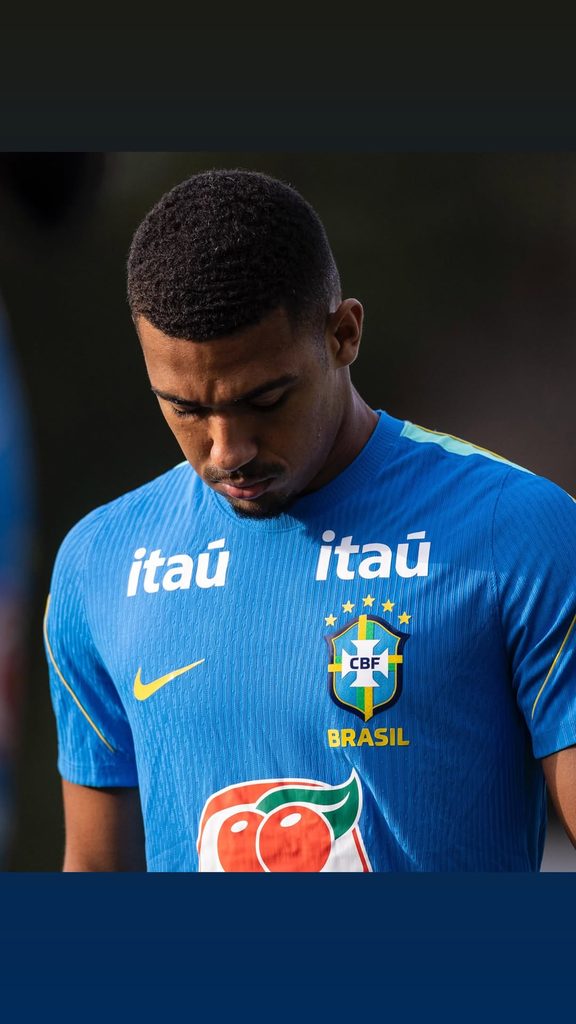
Hugo Souza (Corinthians) and Pedro Morisco (Coritiba), included as new goalkeeper players, following the omission of veteran star Alisson Becker.
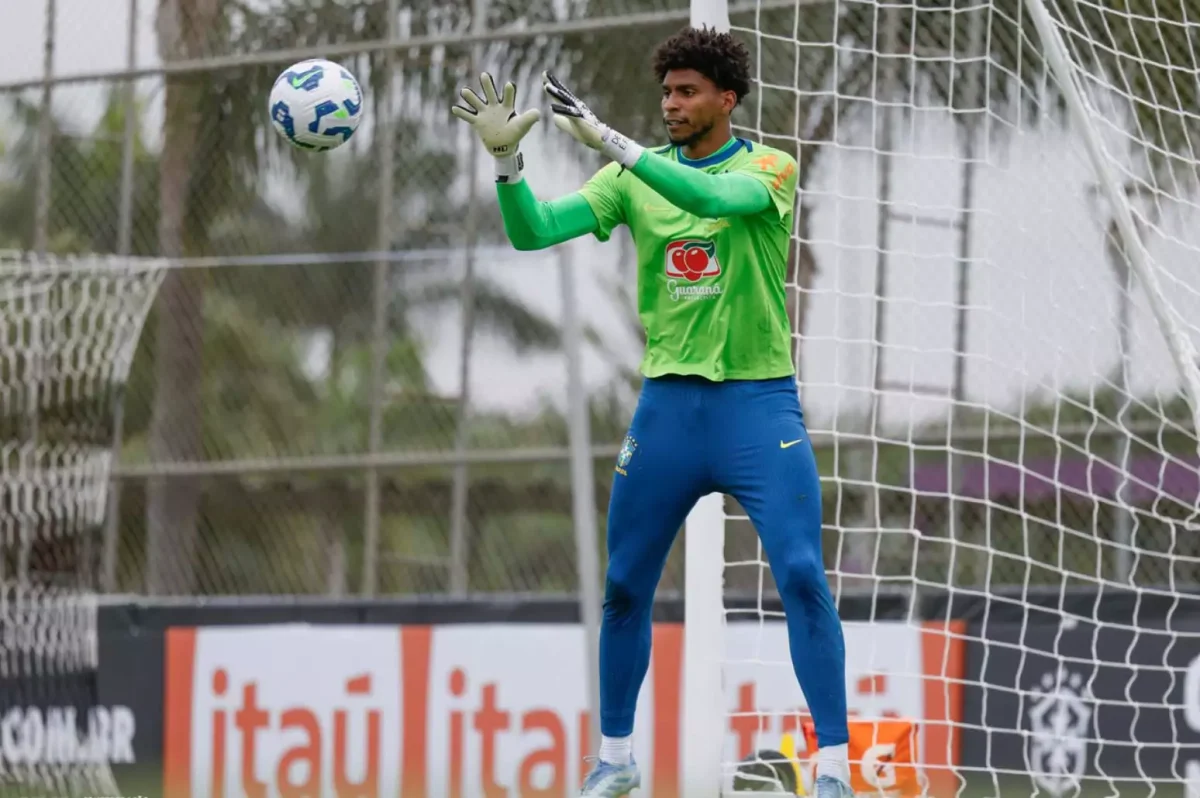
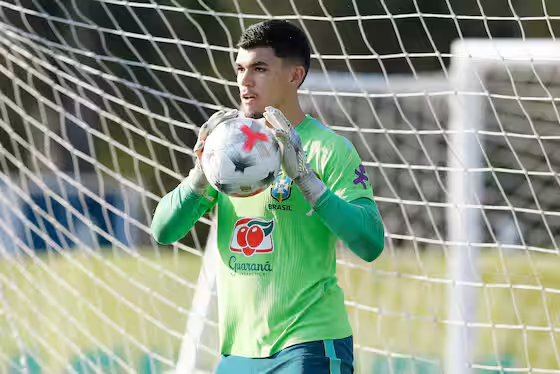
Unexpected late-season injuries to key players necessitated the inclusion of young prospects such as Vitor Reis (Manchester City), Matheus Martinelli (Fluminense), Breno Bidon (Corinthians), and Gabriel Bontempo (Santos FC).
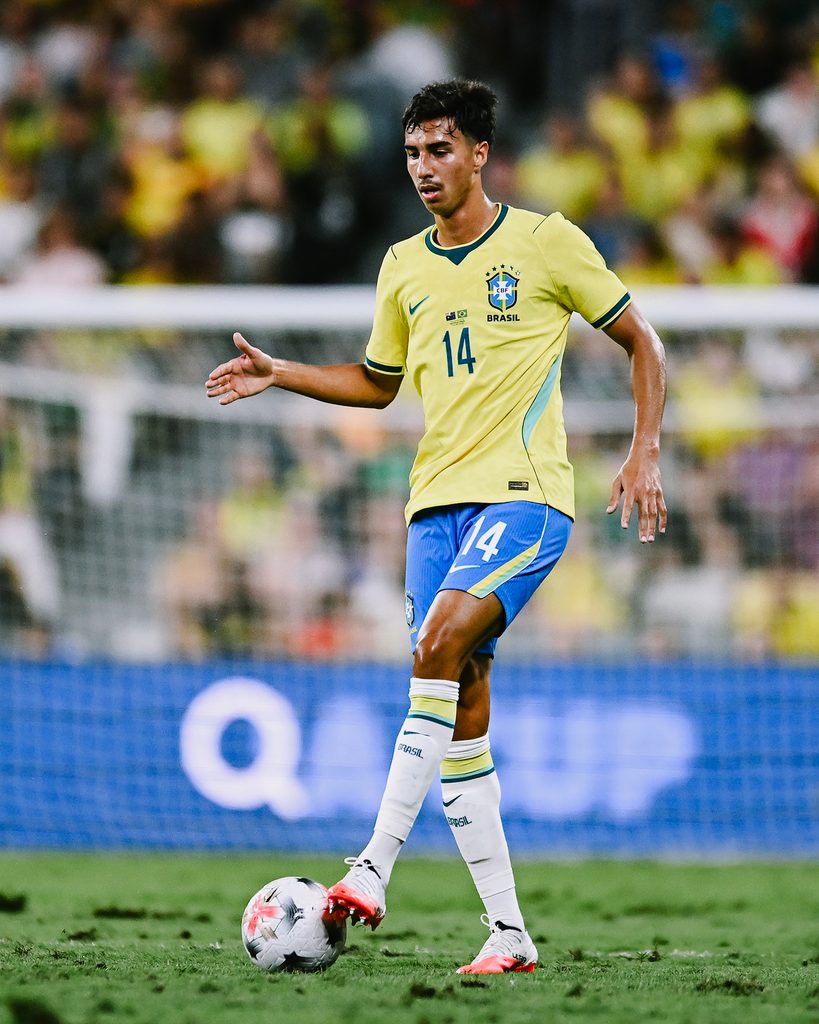
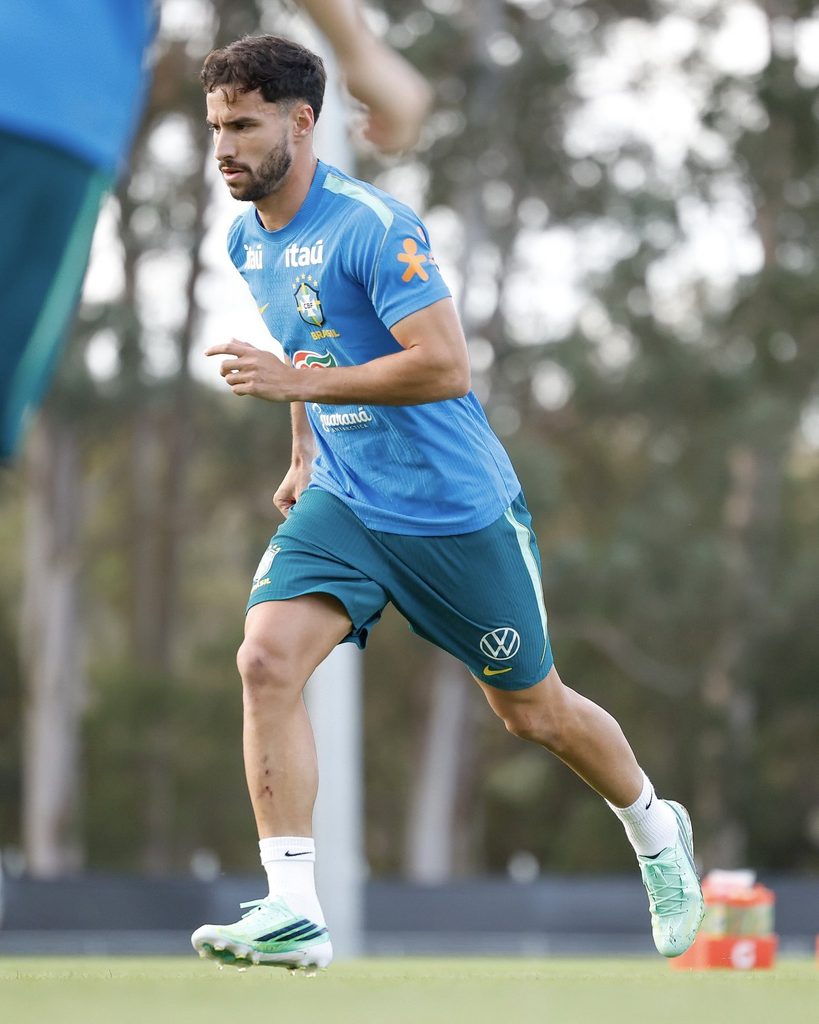
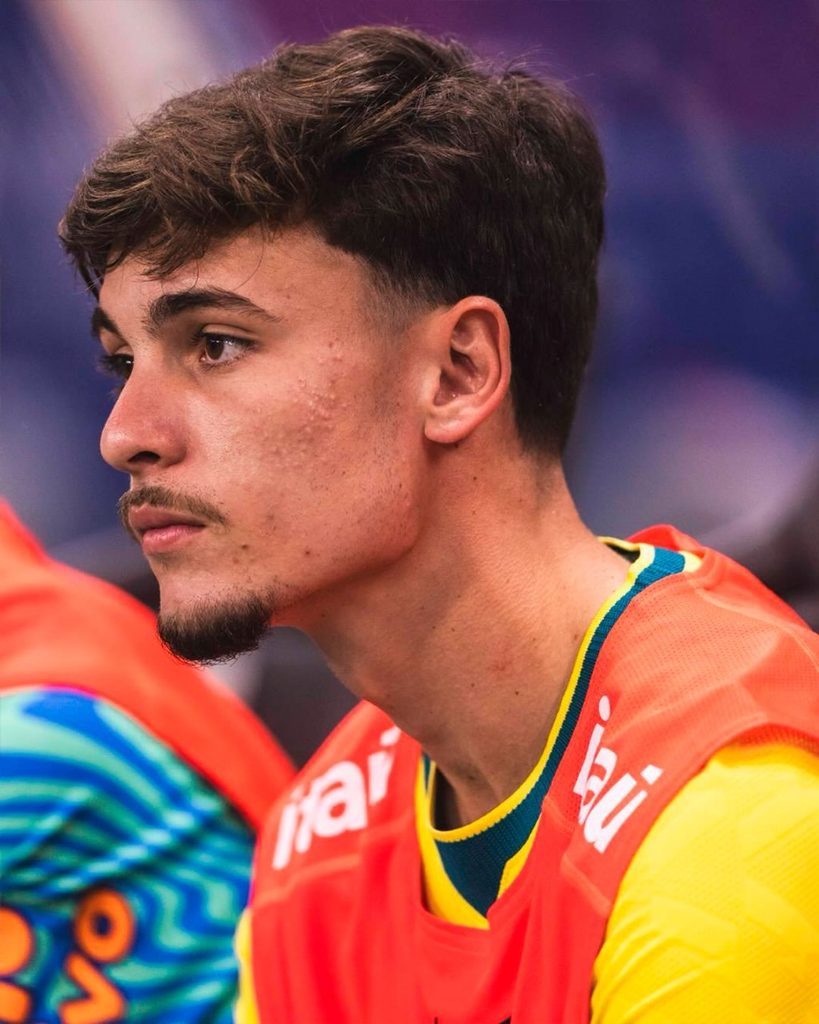
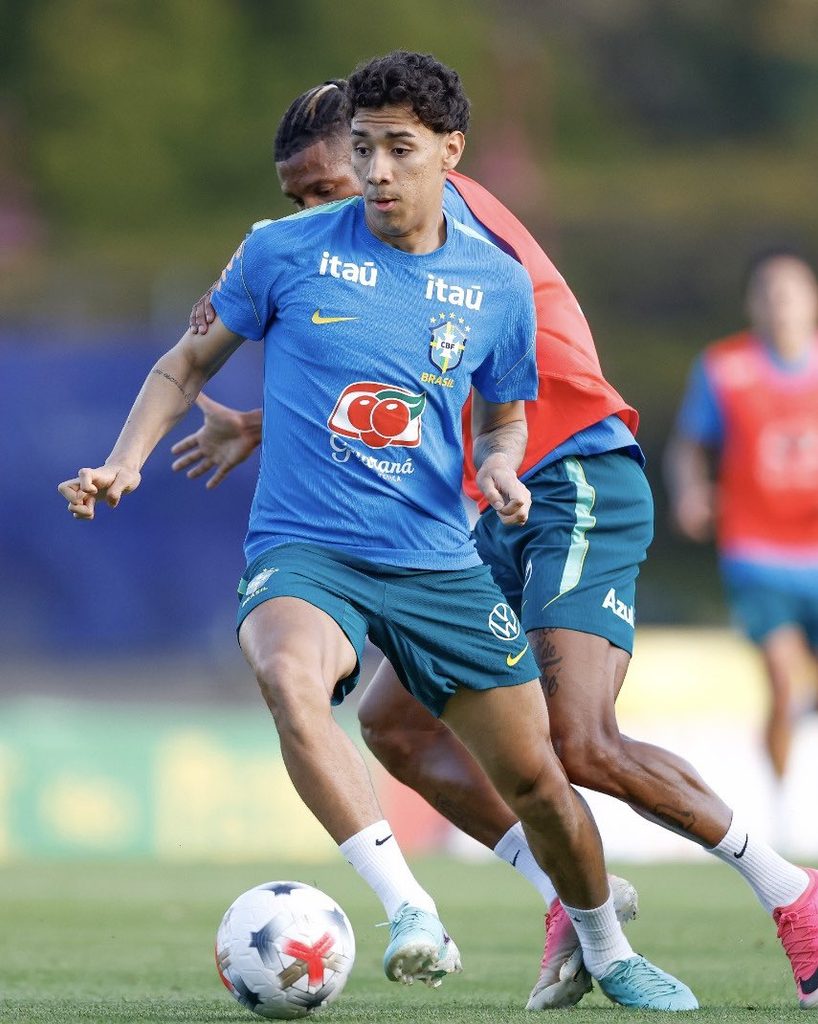
Ancelotti is establishing a completely new tactical backbone for Brazil by combining these hungry, unheralded domestic and European late bloomers with standard world-class superstars like Vinicius Junior and Raphinha.
Brazil is currently on international break and has three friendly matches scheduled. After drawing 1-1 against Australia in Townsville, the Selecao has two games left in this window. They will face Australia again on Tuesday, September 29th, at 8:00 PM AEST at Suncorp Stadium, Brisbane.
The tour will conclude with a highly anticipated friendly match against India on Saturday, October 3 at the Salt Lake Stadium in Kolkata, beginning at 7:30 PM IST. Following these matches, the players will return to their respective clubs before regrouping for the upcoming international break in November.