Reebok has planned a quiet but calculated return to global football for the 2026/27 season, with a localized strategy centered on cultural nostalgia, high-performance product innovation, and custom kit partnerships throughout Europe.
Rather than engaging in hyper-competitive bidding wars for elite mega-clubs, the brand has established a strategic foundation by signing historic, mid-tier clubs in major footballing nations, ensuring fully bespoke, template-free designs.
To connect its rich historical legacy to the modern game, Reebok reached its absolute peak of global popularity in the 1980s and 1990s, temporarily out-selling Nike to become the number one sportswear brand in the world. Its initial boom was driven by the 1982 release of the Reebok Freestyle, which brilliantly capitalized on the explosive women’s aerobics and fitness trend. By 1989, the company grew from a small British athletic firm into a multi-billion-dollar behemoth, controlling over 30% of the US sneaker market.
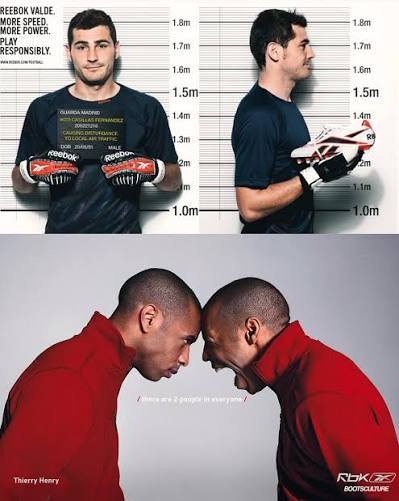
Reebok had secured long-term player endorsements that reflect its golden era identity, when icons such as Thierry Henry, Ryan Giggs, Dennis Bergkamp, and Iker Casillas dominated the pitch.
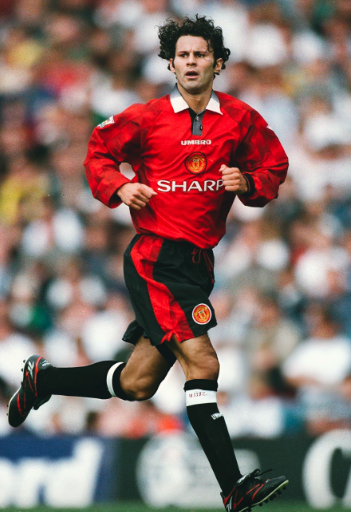
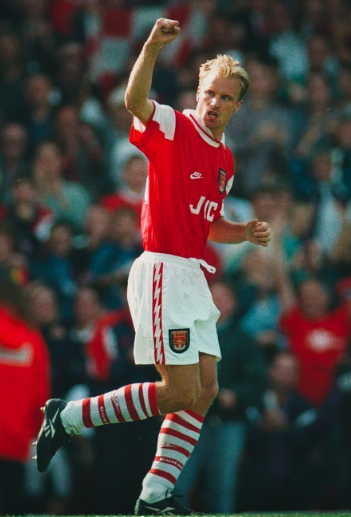
Reebok’s decline from its 1980s peak was when it outperformed Nike thanks to the aerobics boom and Pump technology, was caused by fierce competition and a restrictive corporate takeover. In the 1990s, Nike’s pop-culture-driven Air Jordan narrative reduced Reebok’s market share.
The definitive blow came in 2005, when Adidas AG paid $3.8 billion for Reebok. Instead of scaling the brand, Adidas centralized resources, acquiring Reebok’s exclusive NBA and NHL uniform licenses while allowing elite football deals with Liverpool FC to expire.
To eliminate internal competition, Adidas forced Reebok into a narrow, team-free “fitness-only” niche via exclusive partnerships with CrossFit in 2010 and the UFC in 2014. By 2014, Reebok had been effectively removed from professional pitches and mainstream lifestyle streetwear, resulting in a loss of cultural relevance.
The trajectory changed in 2022, when Adidas sold Reebok to Authentic Brands Group (ABG) for $2.5 billion. ABG restored Reebok’s operational autonomy, allowing it to step outside of the fitness box. The 2026/27 global football comeback was fueled by the Sidewinder 26 Elite FG boot with elite player signings and customized club kits.
The Reebok comeback is real ⚽️ pic.twitter.com/nBTf2AtcHR
— They Think Kits All Over (@TheyThinkKits) July 23, 2026
Reebok’s European comeback focuses on a hyper-localized cluster that uses completely custom, template-free kits.
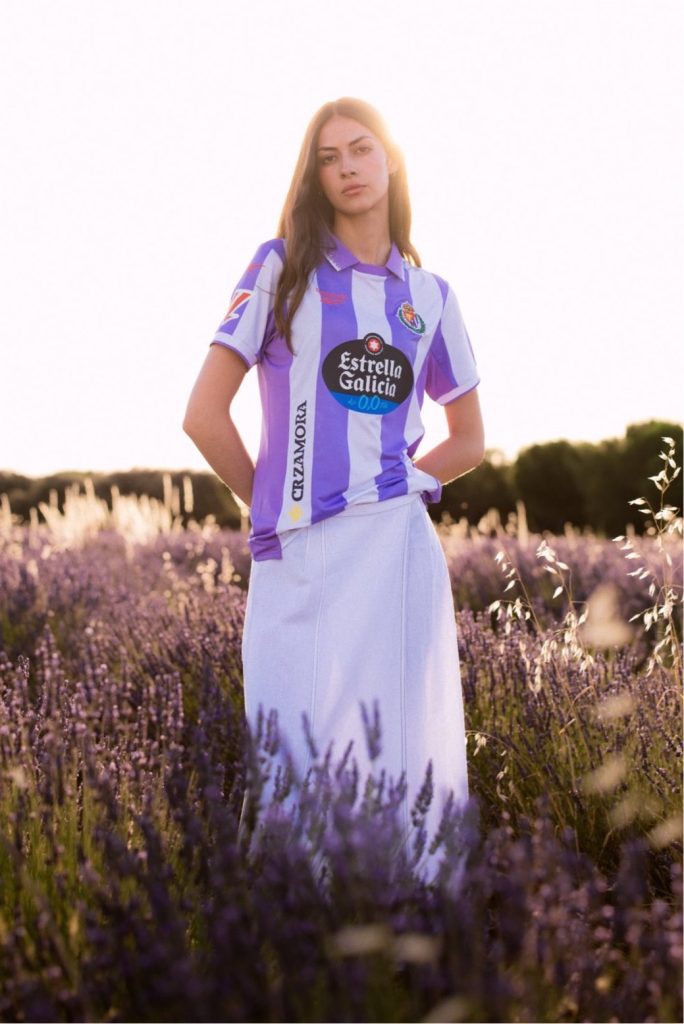
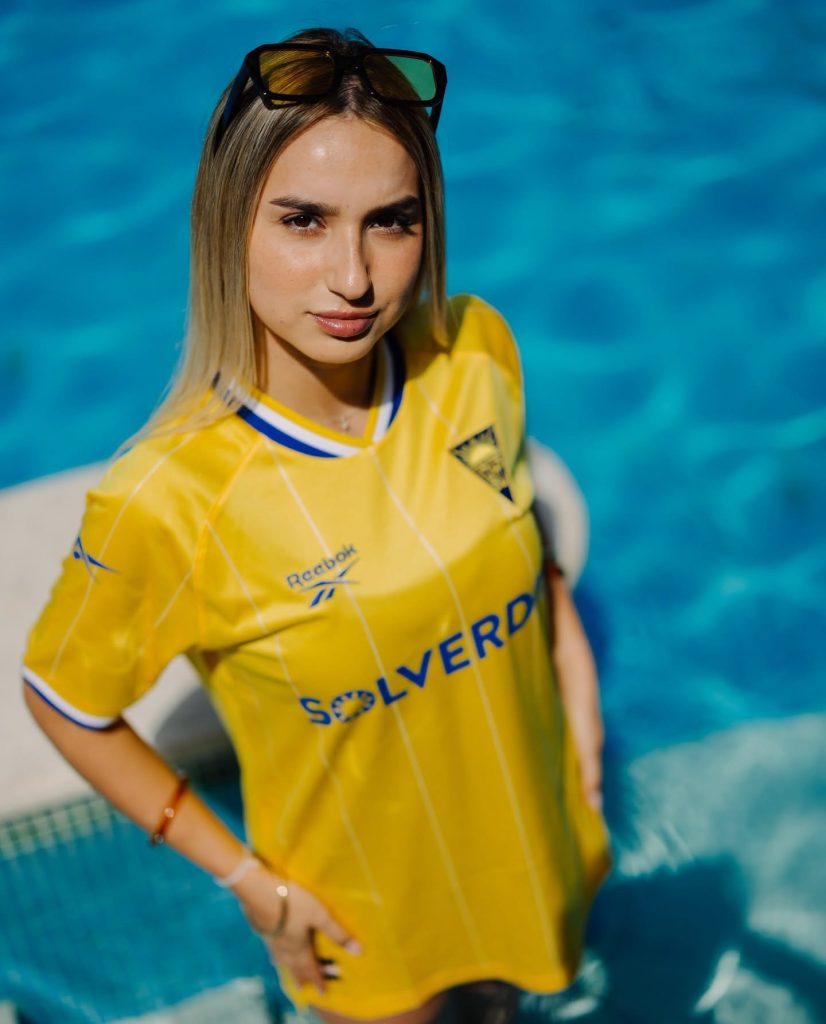
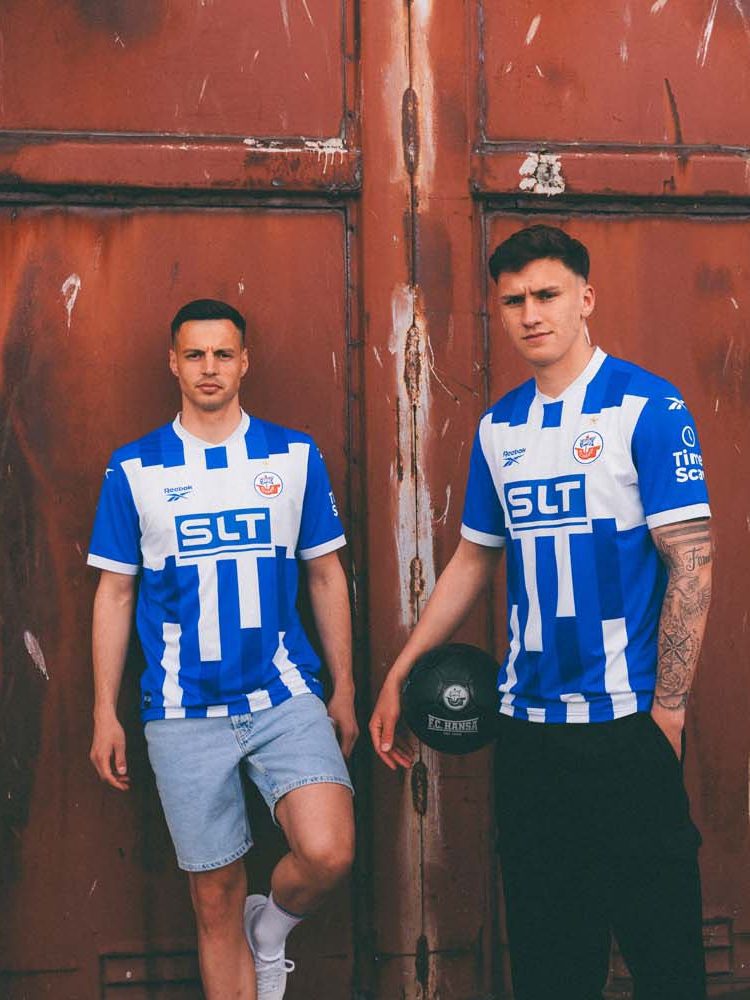
In Spain, Real Valladolid provides immediate top-tier visibility in La Liga, while the partnership with Estoril Praia marks Reebok’s return to Portugal’s Primeira Liga. In Germany, the brand’s first-ever kit deal with Hansa Rostock brings back the iconic vertical-striped shirt layout from 1993/94.
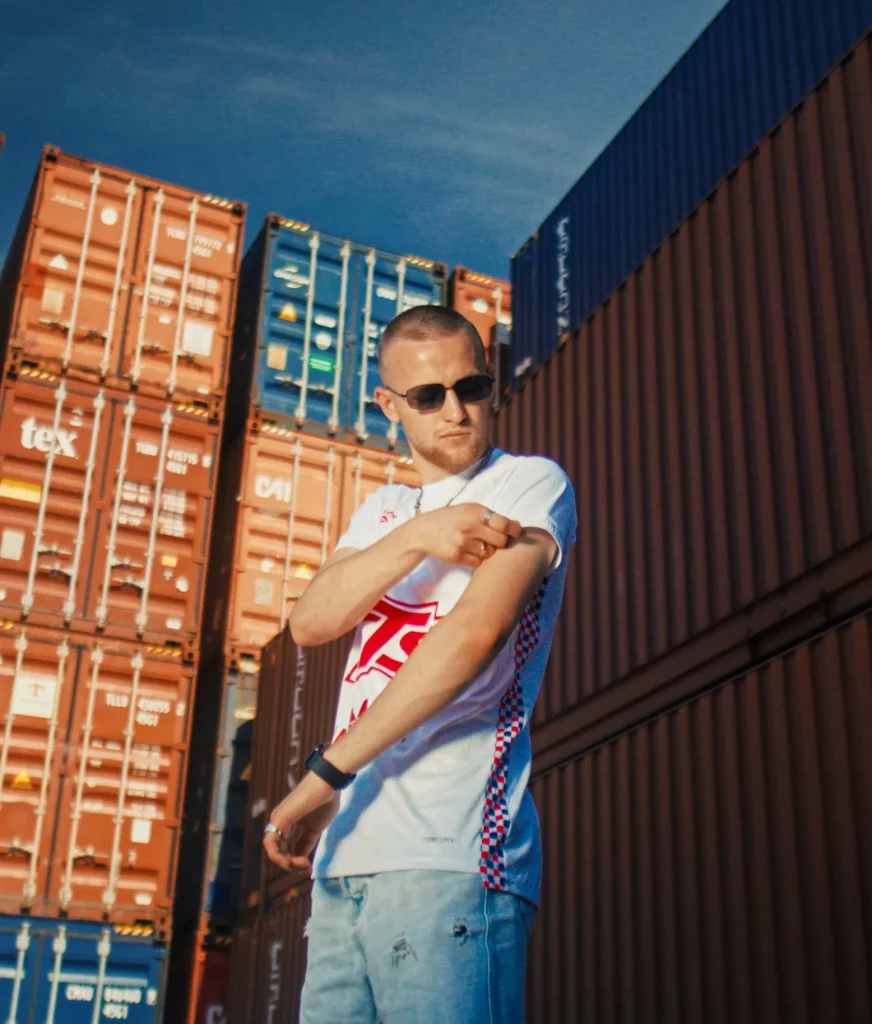
This historical approach continues with Poland’s Górnik Zabrze, where club legend Lukas Podolski co-designed the jersey.
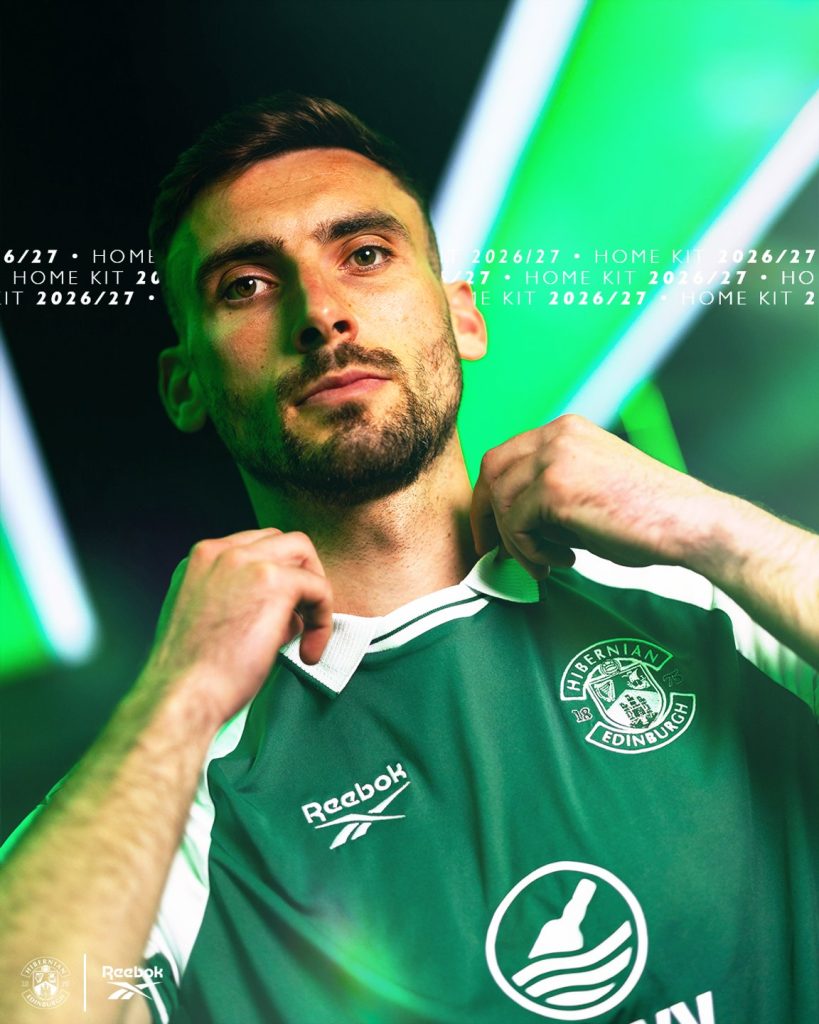
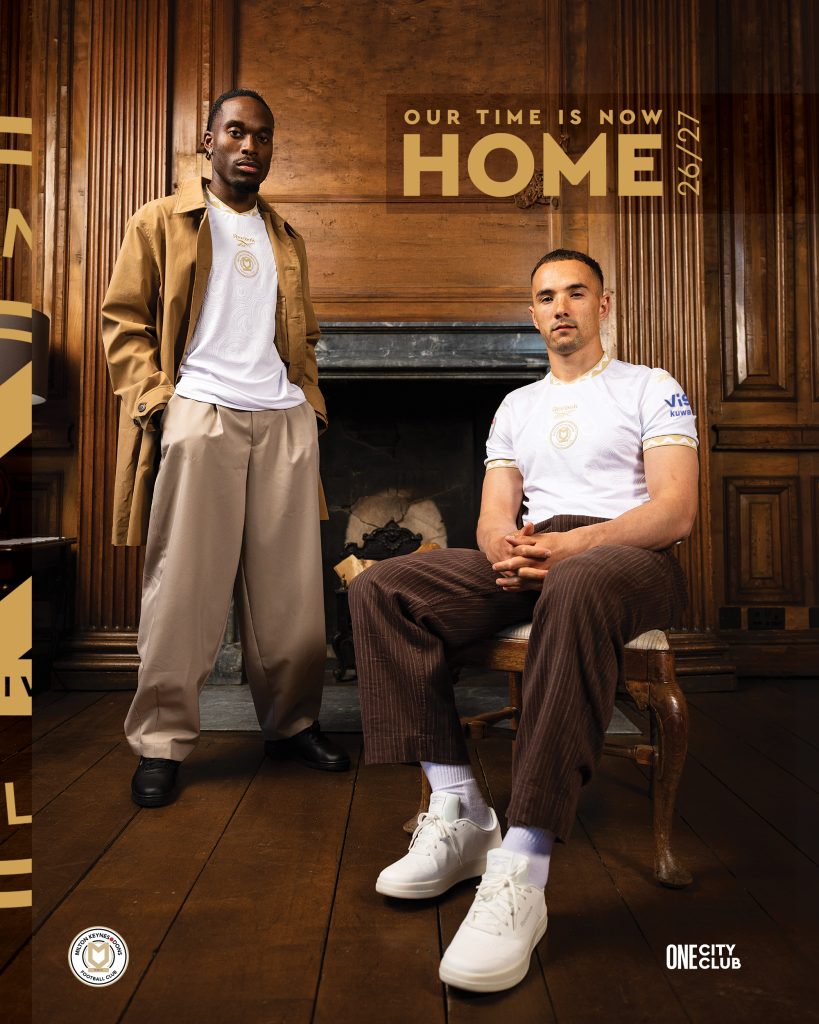
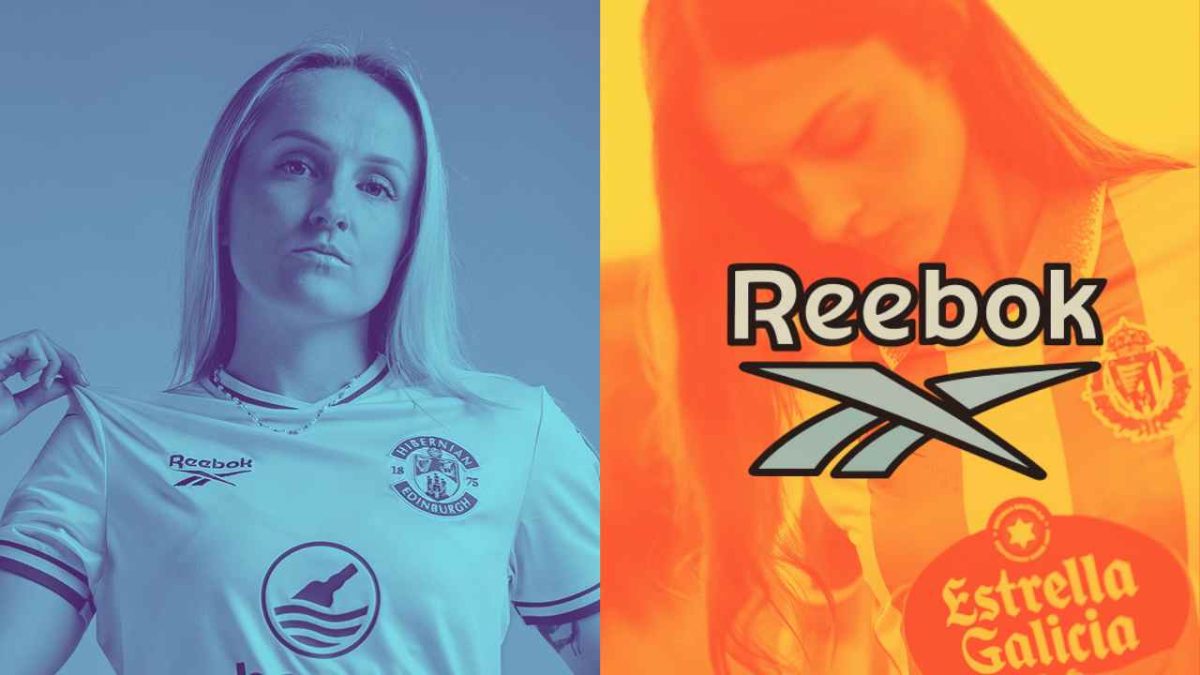
Meanwhile, Hibernian FC in Scotland signed a record-breaking streetwear deal, which was backed up at the English grassroots level by MK Dons and Charlton Athletic.
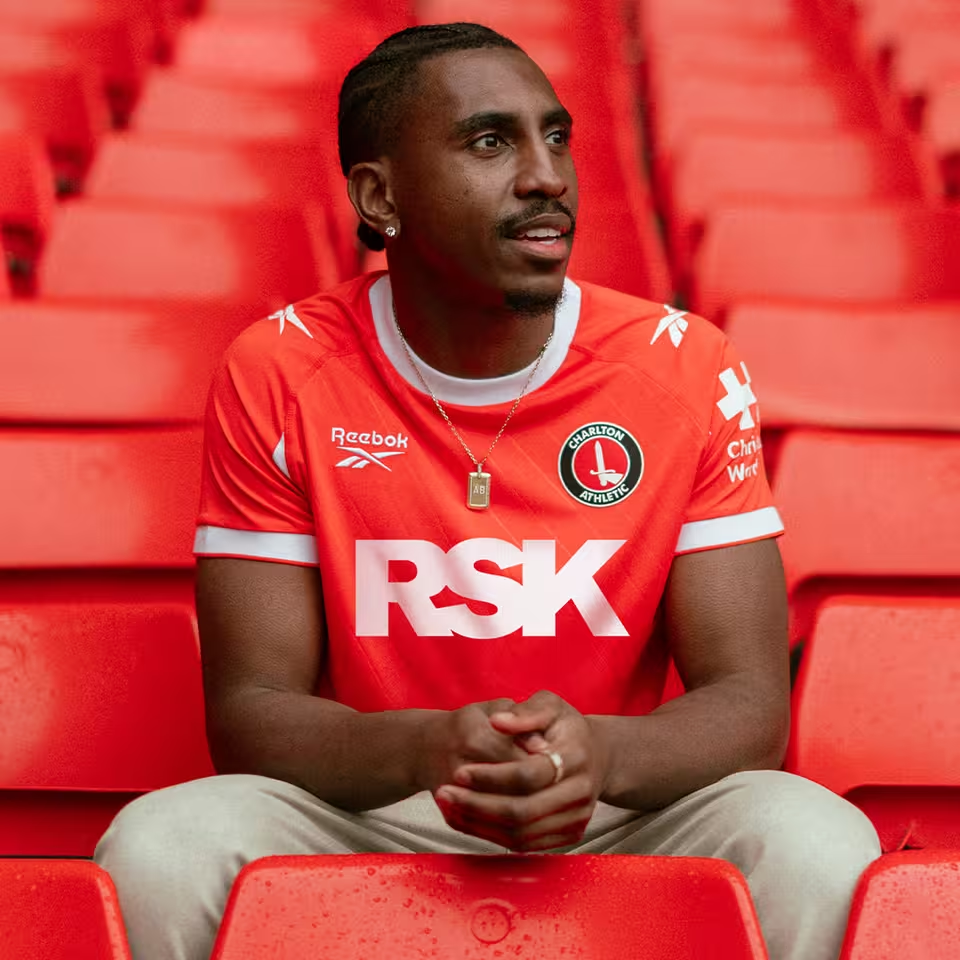
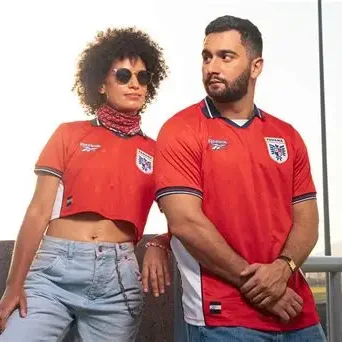
Reebok expands beyond Europe, gaining massive global visibility through high-impact international and club rosters. The brand is the official kit supplier for the Panama National Team, ensuring prominent brand visibility on the 2026 FIFA World Cup stage.
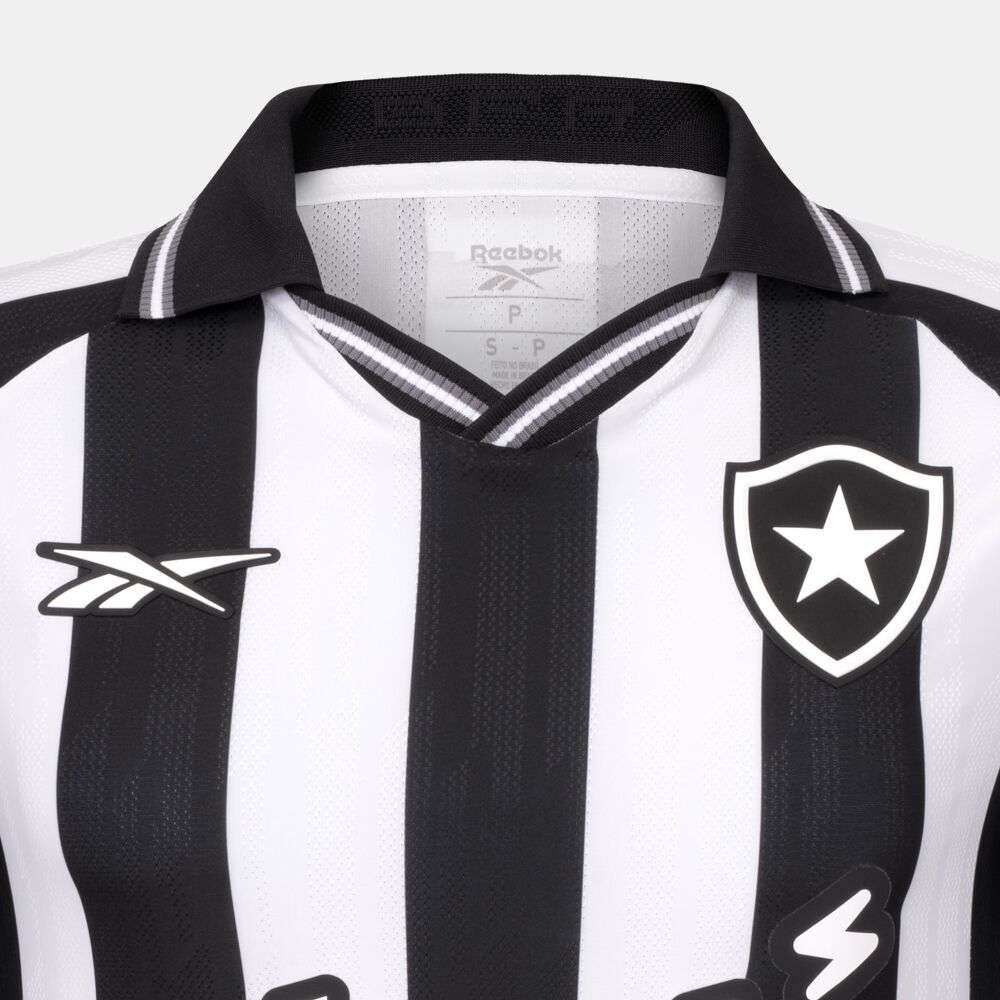
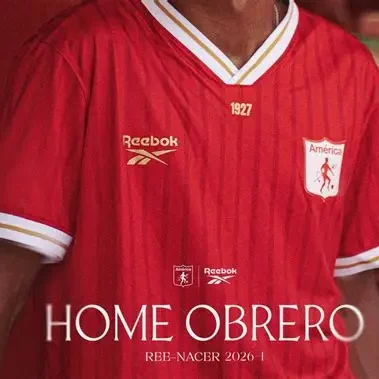
Reebok’s South American presence is anchored by Brazilian powerhouse Botafogo and Colombia’s historic América de Cali, both of which feature heritage-rich designs.
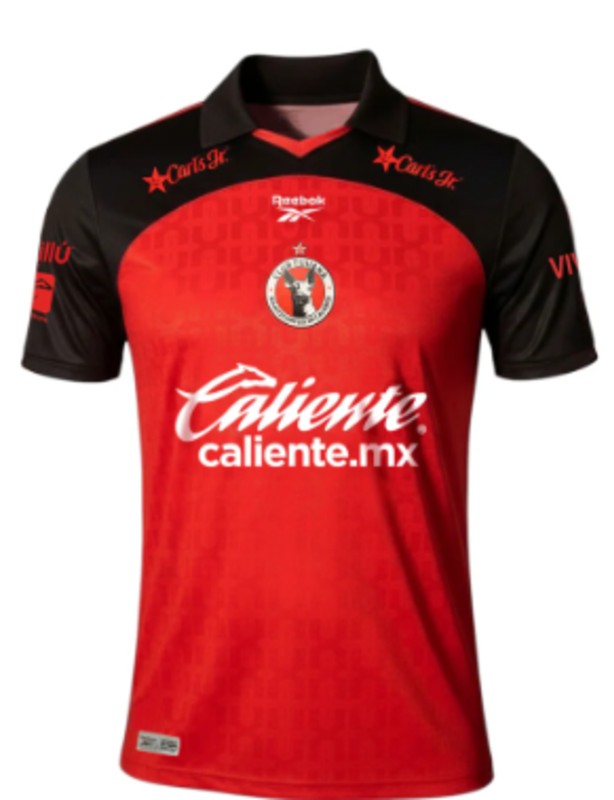
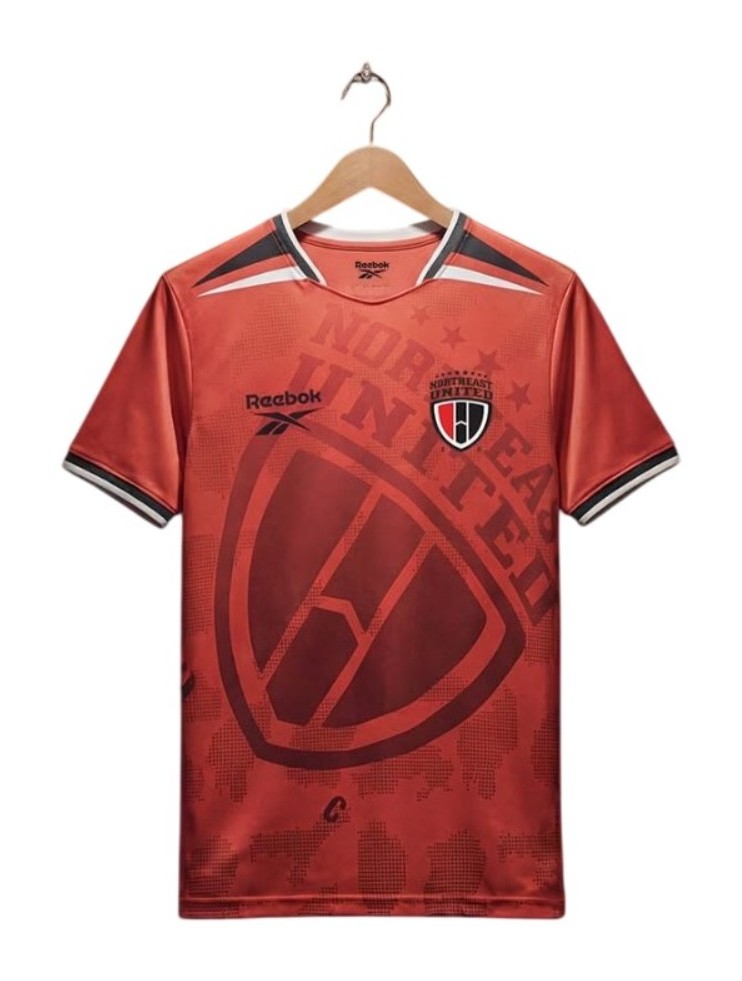
Club Tijuana in Mexico’s Liga MX and Northeast United FC in India’s Super League round out Reebok’s global network, ensuring the company has a highly technical, subculture-driven presence in a variety of markets.
Reebok’s football return relies on a hyper-exclusive athlete trio validating the Sidewinder 26 Elite FG boot. Juventus striker Dušan Vlahović is the global face, proving the boot’s “Shooting Brake” plant-foot stability through explosive striking. Chelsea defender Trevoh Chalobah anchors the defensive tier, generating organic buzz by testing blacked-out prototypes before debuting launch colorways in elite European tournaments. Southampton Women goalkeeper Kayla Rendell highlights Reebok’s expansion into the women’s professional game, showcasing how the Pebax soleplate supports lateral shot-stopping push-offs. Legend Iker Casillas unites them as a global ambassador, bridging heritage nostalgia with modern on-pitch performance.
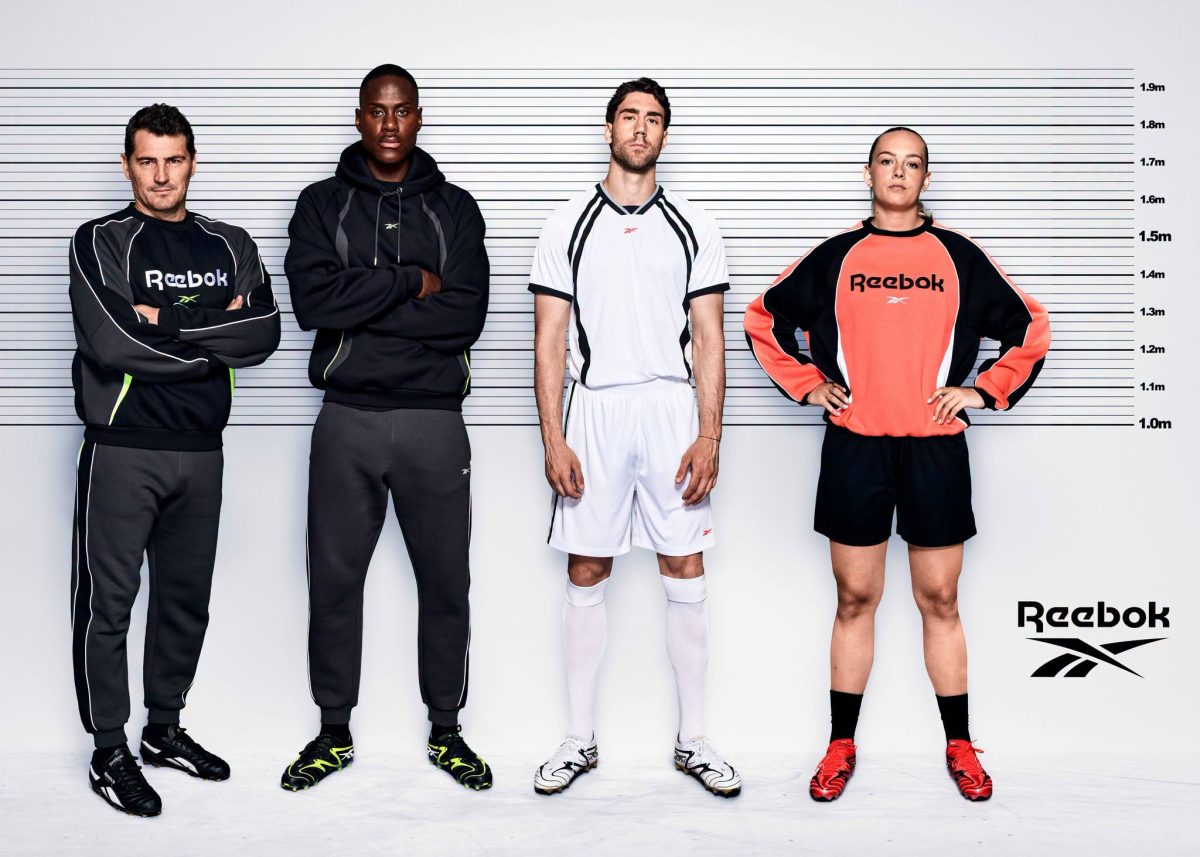
Reebok’s re-entry combines high-end engineering with subcultural football style, honoring its speed-and-power heritage while positioning itself as a technical, player-focused option in the modern market.